
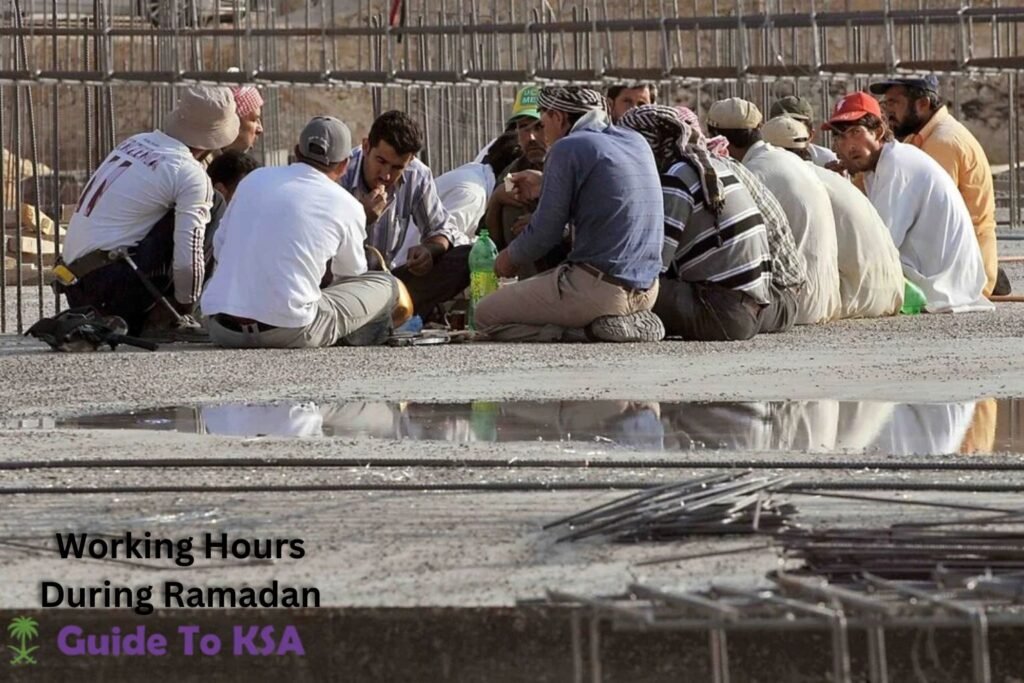
Ramadan changes the rhythm of daily life in Saudi Arabia. Cities slow down during the day, businesses shift schedules, and workplaces adapt to help employees fast comfortably. Whether you’re an expat, a resident, or planning to travel for business during Ramadan, understanding how working hours during Ramadan operate is essential.
This guide explains how working hours change, what the labor law says, how private & public sectors differ, and what to expect in daily life during Ramadan.
Why Working Hours Change in Ramadan
Most employees in Saudi Arabia fast during Ramadan from dawn to sunset. Reduced working hours during Ramadan are meant to:
- Protect employee health
- Reduce fatigue while fasting
- Support worship (Taraweeh & Qiyam prayers)
- Allow family time
- Balance productivity & spirituality
Saudi regulations recognize Ramadan as both a religious and cultural month, so workplaces operate with a unique blend of flexibility and discipline.
Official Working Hours During Ramadan (According to Labor Practices)
Saudi Arabia’s labor system generally reduces daily work hours for Muslims during Ramadan.
Private Sector
- Standard hours: 8 hours/day or 48 hours/week
- Ramadan hours: 6 hours/day or 36 hours/week
Some organizations may split shifts into:
✔ Morning
✔ Evening
✔ Night (after Taraweeh)
This helps companies serving customers during Ramadan peak hours (often at night).
Public Sector / Government
- Traditionally shorter and fixed
- Often 5 hours/day, typically between:
➤ 10:00 AM – 3:00 PM
Public sector offices also avoid evening Ramadan peak worship times.
For Non-Muslims
Technically, reduced hours apply mainly to Muslim employees. However, many companies apply the same schedule to all employees for consistency and HR logistics.
Sector-by-Sector Breakdown
Different industries operate differently during Ramadan:
Retail & Shopping Malls
- Daytime slow, nighttime busy
- Many stores re-open after Iftar until late night (sometimes after 2–3 AM)
Restaurants & Cafes
- Closed during fasting hours
- Open from Iftar to Suhoor
Banks
- Reduced counter-service hours
- ATMs, digital banking, and apps operate 24/7
Healthcare
- Hospitals operate 24/7
- Clinics & private medical centers adjust shifts
Schools & Universities
- Shorter academic days
- Exams often scheduled before Iftar period
- Online learning sometimes used for convenience
Impact on Daily Life in Saudi Arabia During Ramadan
Ramadan changes the city tempo:
Morning
- Quiet streets
- Light work atmosphere
- Minimal traffic
Afternoon
- Businesses close early
- People head home to prepare for Iftar
Iftar Time
- Streets empty for ~20–40 minutes
- Restaurants bustling after Maghrib
Night
- Peak activity window
- Malls, cafes, and shopping districts stay crowded
- Taraweeh prayers shape schedules
Late Night / Suhoor
- Work, social activities, shopping, and worship remain active until Suhoor
Saudi Arabia becomes a night-oriented society during Ramadan.
Are Salaries Affected?
No — reduced working hours do not reduce salary. Ramadan hours are considered official labor adjustments, not unpaid leave.
Remote Work & Flexibility in 2026
Post-2020, flexibility became more common. During Ramadan, many employers offer:
✔ Hybrid schedules
✔ Part-time shifts
✔ Night shifts
✔ Work-from-home for administrative roles
This is especially common in tech, finance, logistics, and e-commerce.
Business Travelers: What to Expect
If you’re visiting Saudi Arabia for business during Ramadan:
✔ Expect slower daytime email & response times
✔ Schedule meetings in late morning or late evening
✔ Avoid planning work around Iftar time
✔ Weekends remain busy at night
Legal Notes & Enforcement
Labor regulations apply to all companies operating in KSA, and employees may report violations to labor authorities. Companies must adjust hours or compensate employees for excess time.
Tips for Employees Working During Ramadan
If You’re Fasting:
- Prioritize hydration at Suhoor
- Manage energy for peak hours
- Use breaks wisely for worship & rest
If You’re Not Fasting:
- Be respectful toward fasting colleagues
- Understand lower daytime productivity
- Schedule key tasks after Iftar if possible
Conclusion — The Month of Balance
Working life in Saudi Arabia during Ramadan is designed to balance:
- Worship
- Family
- Culture
- Productivity
Rather than disruption, Ramadan creates a different rhythm, with work shifting from daytime efficiency to nighttime energy.
Understanding these changes makes Ramadan in Saudi Arabia easier, more respectful, and more meaningful — whether you’re working, traveling, or simply observing the beautiful cultural shift.

