
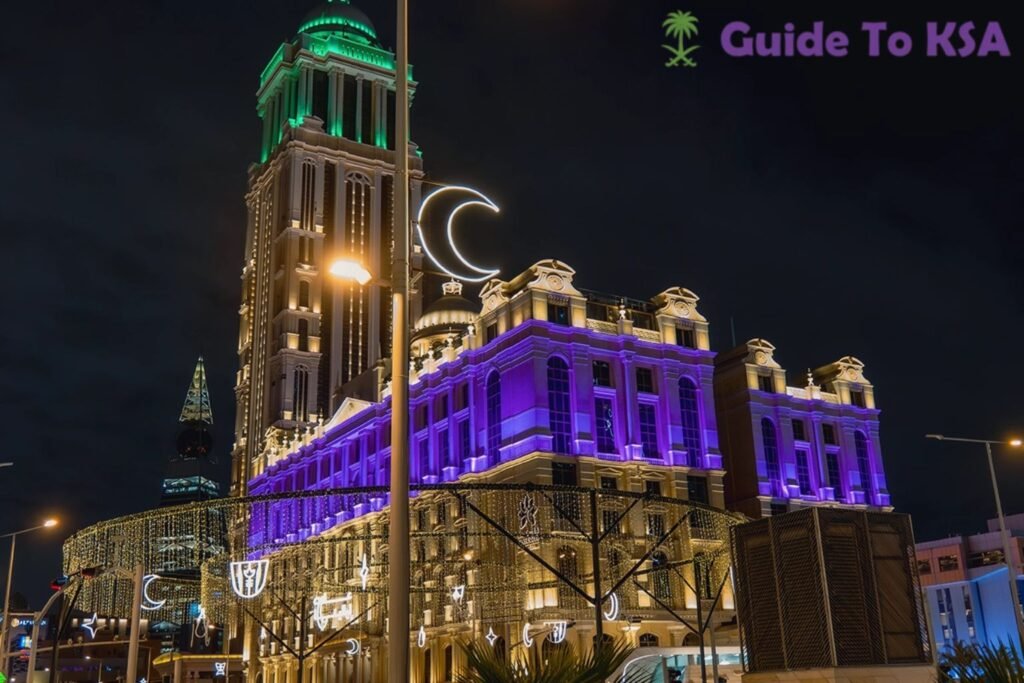
Ramadan is a special time in Saudi Arabia, where faith, family, and community come alive. Central to this sacred month are the two key meals: Suhoor, the pre-dawn meal, and Iftar, the meal to break your fast at sunset. Understanding the timing, purpose, and etiquette of these meals will help you make the most of your fasting experience, whether you’re a first-time visitor or a lifelong resident.
1. What is Suhoor?
Suhoor is the meal eaten before dawn (Fajr), serving as nourishment for the long day of fasting ahead.
Why Suhoor is Important
- Spiritual Blessing: Prophet Muhammad (peace be upon him) said, “Have Suhoor, for in Suhoor there is a blessing (Barakah).” (Sahih Bukhari 1923)
This blessing is not just for physical strength—it also strengthens patience and spiritual focus during the day. - Sustains Your Fast: Eating a balanced Suhoor ensures you stay energized from Fajr until Maghrib without feeling weak or fatigued.
Best Practices for Suhoor in Saudi Arabia
- Timing: It’s recommended to eat as late as possible, finishing just before Fajr, the time of dawn prayer.
- What to Eat: Focus on slow-digesting foods like oats, eggs, whole grains, fruits, and nuts. Dates are a Sunnah favorite.
- Hydration: Drink plenty of water to stay hydrated during the long Saudi days.
2. What is Iftar?
Iftar is the meal eaten at sunset (Maghrib) to break the fast. In Saudi Arabia, this moment is highly anticipated and often shared with family, neighbors, and even strangers.
The Spiritual and Social Significance
- Following the Sunnah: Prophet Muhammad ﷺ encouraged hastening to break the fast: “The people will remain upon goodness as long as they hasten to break their fast.” (Sunan Ibn Majah)
- Community Spirit: In Saudi Arabia, it’s common to share Iftar with neighbors, send plates to relatives, or provide food for workers and travelers.
Typical Iftar Practices
- Start Small: Traditionally, Muslims break their fast with dates and water, then perform Maghrib prayer before continuing the meal.
- Balanced Meal: Iftar is a time for nutritious, moderate portions. Common dishes include soups, rice, kabsa, grilled meats, vegetables, and fresh fruits.
- Charity: Offering Iftar to those in need is highly recommended. Mosques and charities often set up Iftar tents or distribute food boxes across the cities.
3. Timing of Suhoor and Iftar in Saudi Arabia
Since Saudi Arabia spans multiple time zones, Suhoor and Iftar times vary by city and by day.
- Suhoor ends at Fajr (dawn): The moment the “white thread of dawn appears distinct from the black thread of night,” as mentioned in the Quran (2:187). This is usually 1–1.5 hours before sunrise.
- Iftar begins at Maghrib (sunset): The exact time changes daily as the sun sets slightly later each day during Ramadan.
City Examples
- Makkah: Suhoor ~4:30 AM, Iftar ~6:10 PM
- Riyadh: Suhoor ~4:15 AM, Iftar ~6:00 PM
- Jeddah: Suhoor ~4:40 AM, Iftar ~6:05 PM
(Times may vary slightly based on the official Saudi prayer timetable)
It’s always best to check local prayer calendars or reliable apps to avoid missing these key moments.
4. Tips for a Smooth Ramadan in Saudi Arabia
- Follow the Sunnah: Delay Suhoor until just before Fajr, and break your fast immediately at Maghrib.
- Eat Balanced Meals: Suhoor should give sustained energy; Iftar should restore your strength without overeating.
- Hydrate Well: Drink plenty of water between Iftar and Suhoor, especially in Saudi Arabia’s hot climate.
- Share Generously: Participate in the culture of giving—offer Iftar to neighbors or donate through local charities.
- Plan for Taraweeh: Many Saudis head to mosques for nightly Taraweeh prayers after Iftar, so leave time to eat and pray comfortably.
5. The Saudi Ramadan Experience
In Saudi Arabia, Ramadan is more than fasting—it’s a season of community, generosity, and reflection. Streets light up with lanterns, mosques overflow with worshippers for Taraweeh, and families gather to enjoy Iftar together. From bustling night markets in Jeddah to quiet, reflective Suhoor in Abha, the rhythm of the day is shaped by these two meals.
By understanding the importance and timing of Suhoor and Iftar, you can maximize your physical, spiritual, and social experience during Ramadan in Saudi Arabia.
In Summary
- Suhoor: Pre-dawn, sustenance for the fast, delayed until just before Fajr.
- Iftar: Sunset, breaking the fast with gratitude, often shared with family and community.
- Both meals are acts of worship, offering physical nourishment, spiritual blessings, and social unity.

