
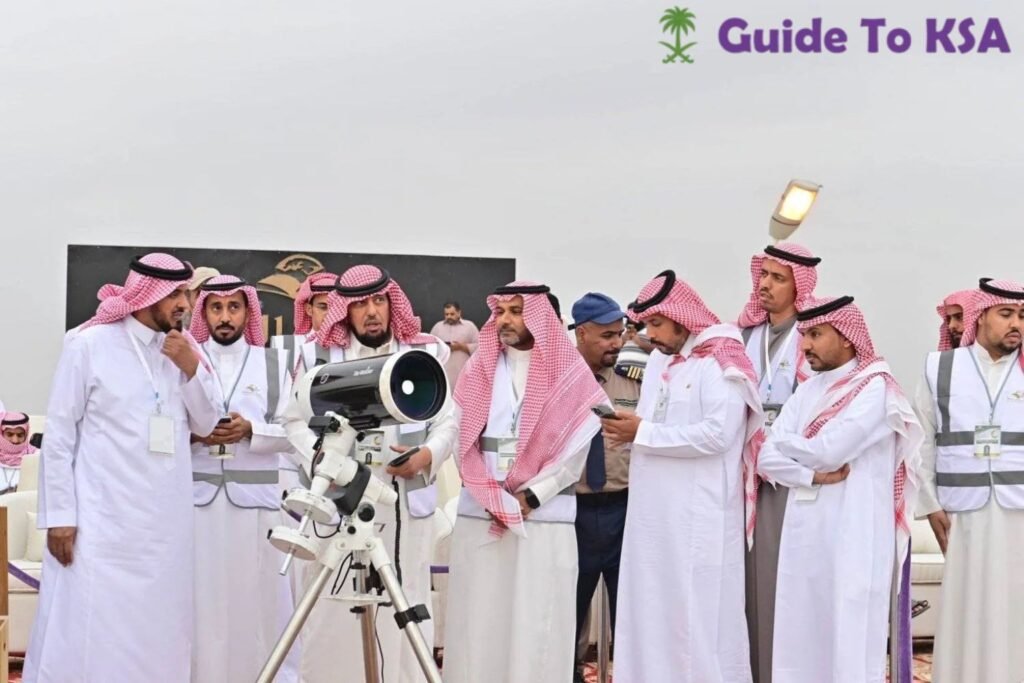
Eid is among the most joyful celebrations in the Islamic calendar, bringing moments of spiritual reflection, warm family gatherings, and vibrant community festivities. At the heart of this blessed occasion is the special congregational prayer that defines its true spirit. Understanding Eid Prayer Time and Rules is essential for Muslims in Saudi Arabia to ensure their worship is performed correctly, peacefully, and in a way that brings maximum spiritual reward and fulfillment.
1. When is Eid Prayer in Saudi Arabia?
The Eid prayer is performed shortly after sunrise. In Saudi Arabia, the Ministry of Islamic Affairs has officially instructed that Eid Al-Fitr prayer be held 15 minutes after sunrise at designated prayer grounds and mosques.
Why 15 Minutes After Sunrise?
- This timing allows for a smooth gathering and ensures that no one prays before the sun has risen.
- All cities have different sunrise times, so the prayer timing slightly varies by location. For example:
- Riyadh: 15 minutes after local sunrise
- Jeddah, Makkah, Madinah, Dammam: Adjusted according to their sunrise times
- Even within a city, some mosques may slightly adjust timing depending on crowd management and traffic flow.
Tip: Always check your local mosque or official city prayer schedule rather than relying on messages from other cities.
2. Importance of Eid Prayer
Eid Salah is not just another prayer—it is a special act of worship that brings immense rewards:
- Spiritual Renewal: Eid prayer strengthens your connection with Allah (SWT) and reminds us of the blessings of Ramadan or Hajj.
- Community Bonding: It unites Muslims in congregational worship, promoting a sense of unity and joy.
- Opportunity for Charity: Eid often follows with giving Zakat al-Fitr (Fitrana), helping those in need and spreading barakah (blessings).
Obligation Status: Scholars differ on whether Eid prayer is obligatory:
- Sunnah Mu’akkadah (Highly Recommended): According to Imam Malik & Imam al-Shafi’i.
- Communal Obligation (Fard Kifayah): Imam Ahmad—if some perform it, others are excused.
- Duty for Every Muslim: Imam Abu Hanifah & some narrations from Imam Ahmad—obligatory for men.
Regardless of which opinion you follow, Eid Salah is highly rewarding and a chance to grow spiritually.
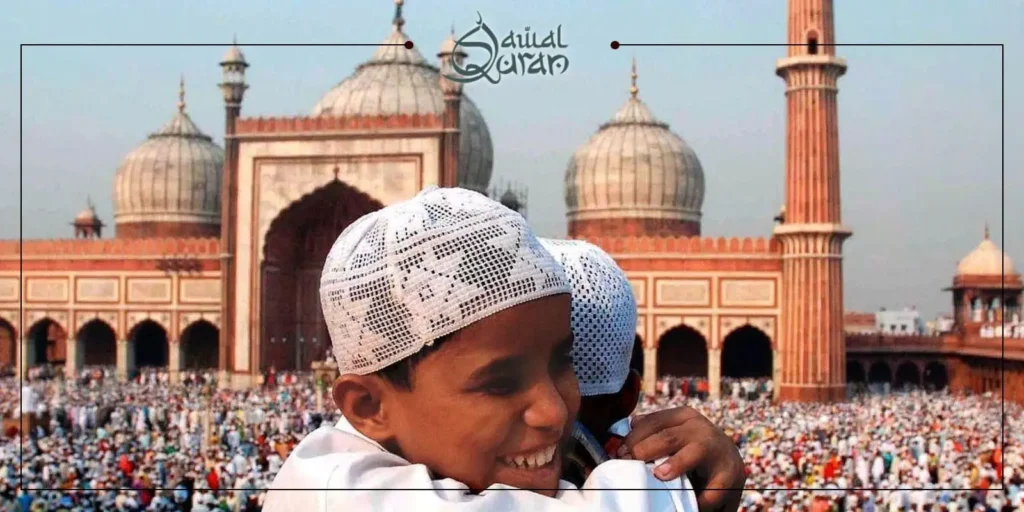
3. How to Prepare for Eid Prayer
Proper preparation enhances both the spiritual and physical experience of Eid prayer:
Before Leaving Home
- Perform Ghusl (full ritual bath) or at least wudu (ablution).
- Eat Something Light: Following the Sunnah, the Prophet (PBUH) ate dates before heading to prayer.
- Dress Neatly: Wear your best clothes and fragrance to reflect the celebratory spirit.
- Recite Takbeerat on the Way: Say Allahu Akbar and other supplications en route to the prayer ground.

4. Step-by-Step Eid Salah (Hanafi Method)
Eid Salah differs slightly from regular daily prayers:
First Rakah
- Make niyyah (intention) for Eid Salah.
- Say the opening takbeer with the imam.
- Recite the Thana (opening supplication) quietly.
- Raise your hands and give 3 more takbeers with the imam.
- Listen as the imam recites Surah Al-Fatihah and another Surah.
- Say Allahu Akbar and perform ruku (bowing).
Second Rakah
- Recite Surah Al-Fatihah and an additional Surah with the imam.
- Give 3 extra takbeers with the imam.
- After the third takbeer, place your hands to your sides before performing ruku.
- Complete the prayer cycle as normal.
Note: Some communities perform 7 takbeers in the first rakah and 5 in the second—always follow the imam if different.
5. Can You Pray Eid at Home?
While Eid Salah is ideally performed in congregation at mosques or Eid grounds, there are exceptions:
- Women and girls are encouraged to attend the congregation, though daily prayers can be at home.
- Those who cannot attend due to illness, travel, or other valid reasons may pray at home.
The goal is participation in the community whenever possible, reflecting unity and spiritual joy.
6. Eid Takbeer (التكبيرات)
Takbeer is an integral part of Eid:
- Start on Eid morning while preparing to leave for prayer.
- Recite calmly and respectfully—this enhances the spiritual atmosphere.
- Avoid turning it into a loud competition; the focus is devotion and reflection.
7. Eid Khutbah (Sermon) Etiquette
After the prayer, many mosques deliver a short khutbah:
- Staying is recommended if possible, but leaving due to family, traffic, or other reasons is permissible.
- Maintain good manners and avoid judging others’ choices.
8. Zakat al-Fitr (Fitrana)
Before Eid Salah, Muslims are obliged to pay Zakat al-Fitr:
- Provides charity to those in need, ensuring everyone can celebrate Eid.
- Must be paid before the prayer to gain full reward.
9. Quick Tips for a Smooth Eid Morning in Saudi Arabia
- Confirm City Timing: Riyadh, Jeddah, Makkah, Madinah, or Dammam—don’t rely on messages from other cities.
- Arrive Early: Give yourself time for parking and finding the prayer spot.
- Pack Essentials: Prayer mat, water, and tissues for comfort.
- Follow the Imam: Adjust to the local method of takbeers or prayer order.
- Keep the Spirit Joyful: Eid is about gratitude, community, and worship, not stress.
Conclusion
Eid prayer is a moment of spiritual renewal, unity, and joy. By understanding the timing, rules, and etiquette, Muslims in Saudi Arabia can fully embrace the blessings of Eid: from preparing spiritually and physically, performing congregational Eid Salah, to giving Zakat al-Fitr.
Remember: 15 minutes after sunrise is your key guide for Eid Al-Fitr prayer in Saudi Arabia. With preparation, devotion, and mindfulness, your Eid morning can be a peaceful and spiritually uplifting celebration.

