

When you’re dreaming of exploring the ancient wonders of Saudi Arabia—from the towering dunes of the Rub’ al Khali desert to the cosmopolitan streets of Riyadh and Jeddah—timing is everything. Visiting during the right season can transform your experience from merely pleasant to absolutely unforgettable. But with its diverse climate, multiple cultural celebrations, and fluctuating tourist seasons, choosing the best time to visit Saudi Arabia requires careful consideration.
This comprehensive guide will help you navigate through the best (and worst) times to visit Saudi Arabia, taking into account weather patterns, cultural events, tourism crowds, and practical travel tips that will make your journey smooth and memorable.
Understanding Saudi Arabia’s Climate
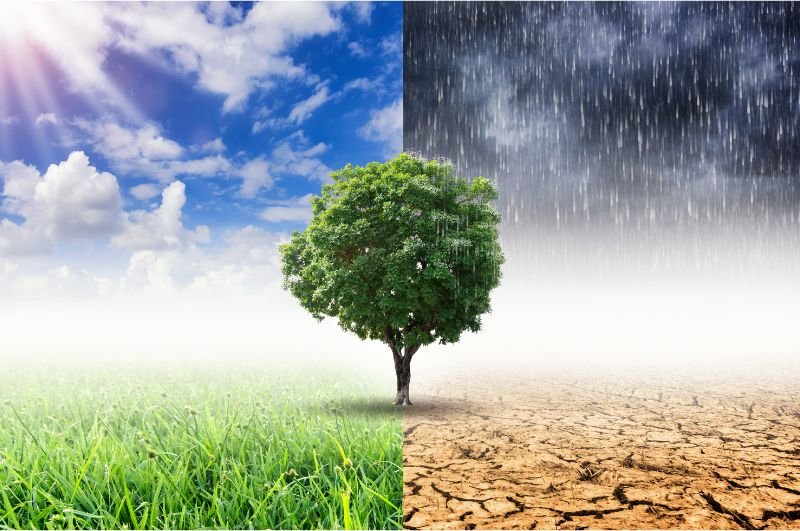
Before diving into specific months and seasons, it’s essential to understand what makes Saudi Arabia’s climate so distinctive. Located in one of the world’s most arid regions, Saudi Arabia experiences extreme temperature variations and minimal rainfall. The country can be scorching hot during summer and pleasantly cool during winter—but it’s not one-size-fits-all across all regions.
Temperature Patterns Throughout the Year
Summer (June to August):
- Temperatures often exceed 50°C (122°F) in inland areas
- Coastal cities like Jeddah experience slightly lower temperatures (38-43°C) but with high humidity
- Air conditioning becomes essential
- Outdoor activities become nearly impossible during midday hours
Winter (December to February):
- Temperatures range from 15-25°C (59-77°F) in most areas
- Riyadh: 10-20°C (50-68°F)
- Jeddah: 18-28°C (64-82°F)
- Nights can be quite cool, especially in desert areas
- Humidity is low, making it comfortable
Spring (March to May):
- Temperatures range from 25-40°C (77-104°F)
- Can be unpredictable with occasional sandstorms
- Humidity increases gradually
Autumn (September to November):
- Temperatures gradually decrease from 40°C to 25°C
- Humidity remains relatively high in coastal areas
- Weather becomes increasingly pleasant by November
The Best Time to Visit Saudi Arabia
Peak Season: October to March (The Golden Window)
If you’re wondering “when should I visit Saudi Arabia?” the answer for most travelers is October through March. This seven-month period represents the sweet spot for tourism and offers the most favorable conditions for exploring the kingdom.
October-November: The Ideal Entry Point
This is arguably the single best time to visit Saudi Arabia. Here’s why:
Weather Excellence:
- Temperatures: 25-35°C (77-95°F)
- Clear, sunny skies
- Low humidity
- Minimal rainfall
- Perfect for outdoor activities
Practical Advantages:
- The summer crowds have left
- Hotels and accommodations offer better rates
- Tourist sites are less crowded than December-February
- Longer daylight hours for sightseeing
- It’s the start of the comfortable travel season
Activities at Their Best:
- Desert safari and dune bashing are at peak conditions
- Hiking in mountain regions is ideal
- Photography opportunities are exceptional with perfect lighting
- Beach time in Jeddah is comfortable
December-February: The Peak Tourist Season
This three-month window sees the highest influx of tourists and is the most popular time to visit Saudi Arabia.
Weather Profile:
- Temperatures: 15-25°C (59-77°F) in inland areas
- 18-28°C (64-82°F) in coastal regions
- Comfortable for extensive walking and outdoor exploration
- Best weather conditions overall
- Occasional cool nights in desert areas (bring light layers)
Why It’s Popular:
- Holiday Breaks: Coincides with Christmas, New Year, and winter school holidays
- International Visitors: European and Asian tourists escape winter weather
- Perfect Weather: Widely considered the most comfortable season
- Extended Daylight: Makes sightseeing more enjoyable
Considerations:
- Higher prices for flights and accommodations
- Popular sites experience significant crowds
- Hotels book up quickly—advance reservations essential
- Festival season brings additional visitors
Notable Events:
- Saudi National Day (September 23): Though technically late September, celebrations extend into early tourism planning
- Special exhibitions and cultural festivals often occur during this season
- Umrah pilgrimages increase during winter months
March: The Tail End of Peak Season
As winter transitions to spring, March still offers excellent conditions:
Weather:
- Temperatures: 25-35°C (77-95°F)
- Still comfortable, though warming significantly
- Humidity begins to increase
- Occasional sandstorms (Shamal winds)
Advantages:
- Lower prices than January-February
- Still manageable crowds
- Good for active travelers before summer heat arrives
- Spring flowers may begin blooming in desert areas
Shoulder Seasons: September and April-May
September: The Unofficial Start of Tourist Season
Weather:
- Temperatures: 35-45°C (95-113°F)
- Still quite hot but cooling gradually
- Humidity increasing
- Occasional rainfall
Advantages:
- Significantly cheaper accommodations
- Tourist sites are quiet
- Preparation time for Ramadan season activities
- Fewer crowds at popular attractions
Considerations:
- Heat still challenging for extended outdoor activities
- Some travelers may find it uncomfortable
- Ramadan timing affects restaurant availability
April-May: Spring Season (Variable Quality)
Weather:
- Temperatures: 30-40°C (86-104°F)
- Increasing heat and humidity
- Sandstorms more frequent
- Lower humidity in mountain regions
Advantages:
- Lower prices than winter peak season
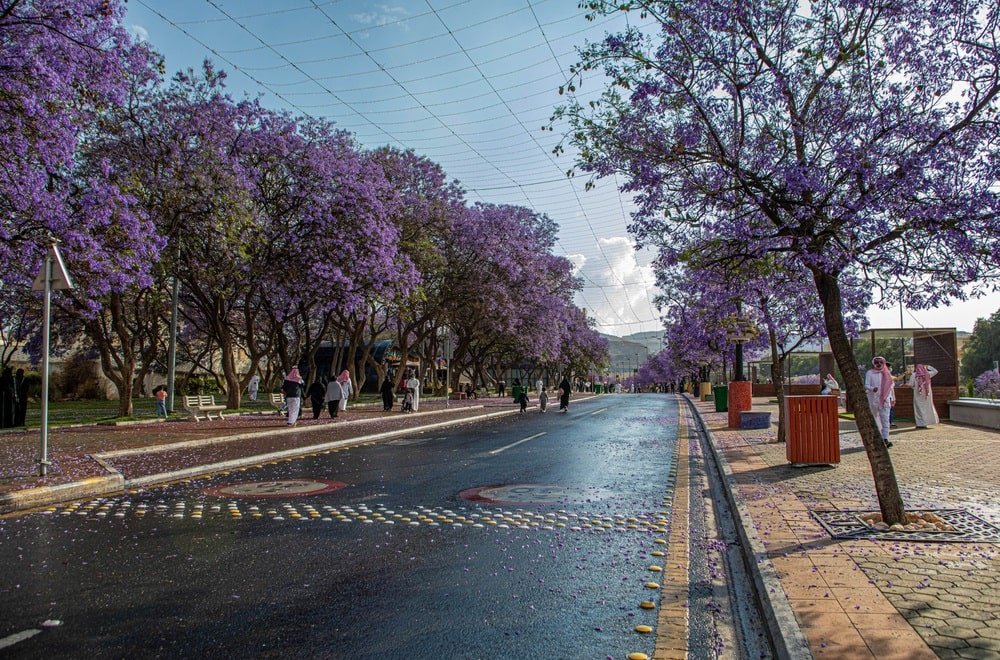
- Spring blooms in desert areas
- Good for specific regions (Al-Ula, Asir Mountains)
- Fewer tourists
Considerations:
- Weather becomes increasingly uncomfortable
- Approaching summer heat
- Spring winds can complicate travel plans
- Less ideal for extensive outdoor activities
Avoid These Times: Worst Seasons to Visit
Summer: June to August (Not Recommended)
Why You Should Avoid It:
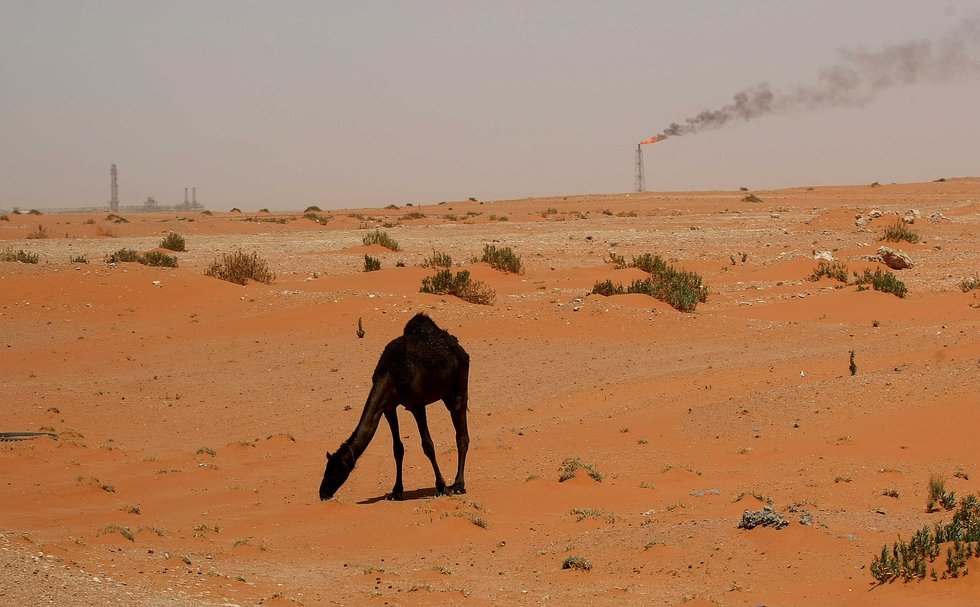
- Extreme Heat: Temperatures regularly exceed 50°C (122°F)
- Humidity: Coastal areas become unbearably humid (80%+)
- Limited Activities: Outdoor activities severely restricted
- Health Risks: Heat exhaustion and dehydration risks increase
- High Costs: Higher prices despite the challenging weather
- Crowds: Domestic tourists and expatriates escape the heat, creating unexpected crowds
When Summer Might Work:
- If you’re staying entirely indoors in air-conditioned venues
- Shopping mall tourism in Riyadh and Jeddah
- Never for outdoor adventures or desert exploration
Saudi Arabia’s Major Events & Festival Calendar
Timing your visit around major events can enhance your Saudi Arabia experience significantly.
Ramadan (Dates Vary – Islamic Calendar)
What It Is: The holiest month in Islam, where Muslims fast from dawn to sunset. Ramadan offers a unique cultural window into Saudi society.
Travel Implications:
Advantages:
- Extraordinary spiritual atmosphere
- Special evening meals (Iftar) bring communities together
- Nightly Taraweeh prayers in historic mosques
- Unique cultural experiences unavailable other times
- Exceptional deals on accommodations
- Special Ramadan bazaars and evening entertainment
Challenges:
- Restaurants closed during daylight hours
- Many businesses operate reduced hours
- Nightlife completely different
- Shopping hours altered significantly
- Government offices operate limited schedules
- Some tourist attractions may have modified hours
Best For:
- Spiritual travelers
- Cultural enthusiasts
- Budget-conscious visitors
- Those wanting authentic local experiences
Recent & Upcoming Dates:
- 2024: March 11 – April 9
- 2025: February 29 – March 30
- 2026: February 18 – March 19
Eid al-Fitr (End of Ramadan)
Timing: Immediately after Ramadan ends
Significance: Three-day celebration marking the end of Ramadan with special prayers, family gatherings, and festivities.
Travel Considerations:
- Many businesses closed for 3-4 days
- Increased domestic travel creates crowds
- Special celebrations and events throughout the country
- Public parks and recreation areas busy with families
- Hotels may have special Eid packages
Eid al-Adha (The Greater Eid)
Timing: 70 days after Eid al-Fitr
Significance: The most important Islamic holiday, celebrating Abraham’s willingness to sacrifice his son. Features animal sacrifices, family gatherings, and four-day public holiday.
Travel Implications:
- Similar to Eid al-Fitr in terms of closures and festivities
- Peak season for family travel and pilgrimage
- Hotels and accommodations fill quickly
- Unique cultural experiences available
- Special market activities in traditional souks
Saudi National Day (September 23)
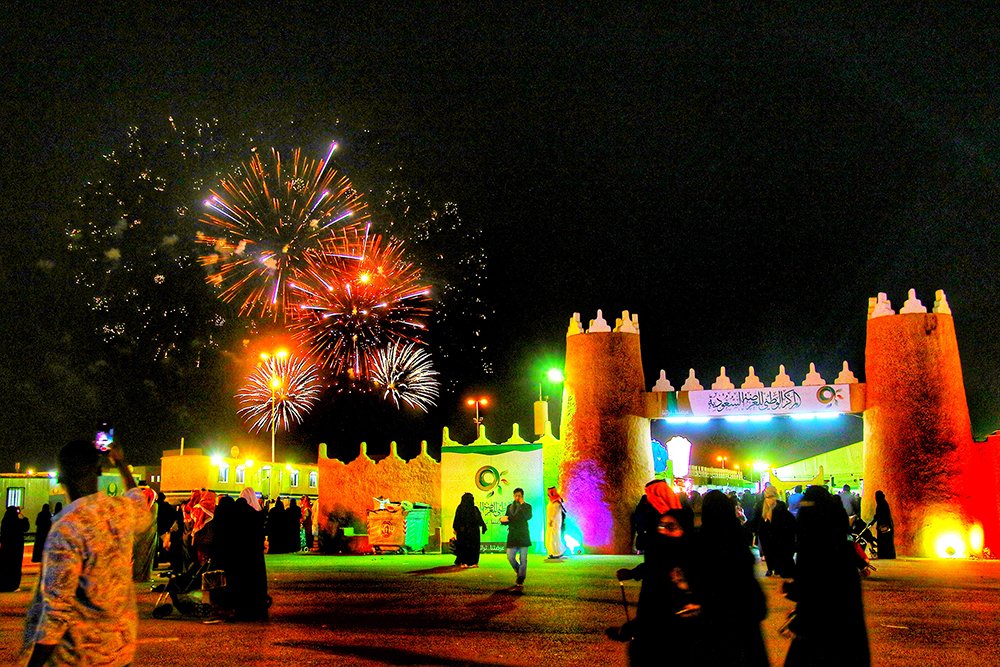
Significance: Celebrates Saudi Arabia’s unification in 1932. Features flag waving, concerts, light shows, and national pride demonstrations.
Travel Opportunities:
- Special events and celebrations across the country
- Light displays in major cities
- Cultural performances and festivals
- Patriotic atmosphere throughout the kingdom
- Some attractions may have special programming
Janadriyah Festival (February-March)
What It Is: A major cultural festival celebrating Saudi heritage, featuring traditional arts, crafts, folklore, music, and food.
Experience:
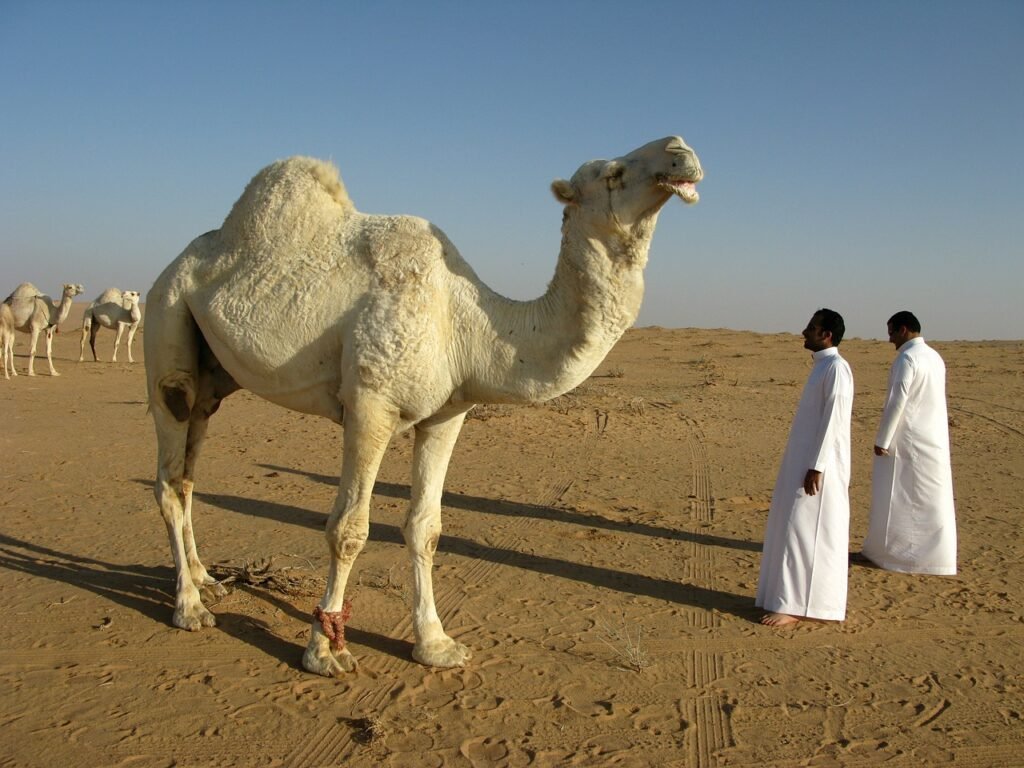
- Traditional camel races
- Handicraft exhibitions
- Poetry recitations
- Folk dancing and music performances
- Heritage site demonstrations
- Authentic Saudi cuisine
Location: Held at the Janadriyah grounds near Riyadh
Perfect For: Cultural enthusiasts and those wanting authentic Saudi experiences
Riyadh Season (October-March)
A massive entertainment initiative transforming Riyadh with:
- Pop-up markets and entertainment venues
- International concerts and shows
- Family entertainment zones
- Art exhibitions
- Food festivals
- Shopping experiences
Why Visit: Modern Saudi Arabia meets traditional culture in spectacular fashion
Month-by-Month Travel Guide
January: Winter Peak Season
- Temperature: 10-20°C (50-68°F)
- Best For: Outdoor exploration, desert safari, hiking
- Events: Post-holiday tourism, Riyadh Season continues
- Crowd Level: Peak season—expect busy sites
- Cost: High prices for flights and accommodations
- Recommendation: 9/10 for general tourists
February: Cultural Festival Season
- Temperature: 12-22°C (54-72°F)
- Best For: Janadriyah Festival, cultural tours
- Events: Janadriyah Heritage Festival
- Crowd Level: Very busy
- Cost: Peak pricing
- Recommendation: 9/10 for cultural travelers
March: Late Winter/Early Spring
- Temperature: 20-30°C (68-86°F)
- Best For: Multi-region exploration before heat
- Events: End of Riyadh Season, spring activities
- Crowd Level: Moderate to high
- Cost: Moderate to high
- Recommendation: 8/10 for balanced experience
April: Spring (Variable)
- Temperature: 28-38°C (82-100°F)
- Best For: Mountain regions, specific cultural sites
- Events: Spring celebrations, occasional dust storms
- Crowd Level: Low
- Cost: Budget-friendly
- Recommendation: 6/10 due to increasing heat
May: Late Spring
- Temperature: 35-45°C (95-113°F)
- Best For: Indoor attractions, museum visits
- Events: Fewer major events
- Crowd Level: Low
- Cost: Very budget-friendly
- Recommendation: 5/10 due to rising temperatures
June: Early Summer
- Temperature: 40-50°C (104-122°F)
- Best For: Shopping malls, indoor activities only
- Events: Minimal outdoor events
- Crowd Level: Variable
- Cost: Moderate pricing
- Recommendation: 3/10—not recommended for outdoor travelers
July: Peak Summer
- Temperature: 45-50°C (113-122°F)
- Best For: Avoid outdoor travel
- Events: School holidays (domestic tourism)
- Crowd Level: Busy with domestic tourists
- Cost: High prices
- Recommendation: 2/10—only for heat-tolerant indoor tourists
August: Late Summer
- Temperature: 42-48°C (108-118°F)
- Best For: Very limited outdoor activities
- Events: End of summer school holidays
- Crowd Level: Moderate
- Cost: High prices
- Recommendation: 2/10—similar to July
September: Summer to Fall Transition
- Temperature: 38-45°C (100-113°F)
- Best For: Start of pre-season preparations
- Events: Ramadan preparation season
- Crowd Level: Low to moderate
- Cost: Budget to moderate
- Recommendation: 6/10—improving conditions
October: Autumn (Prime Season Start)
- Temperature: 28-35°C (82-95°F)
- Best For: All outdoor activities, desert exploration
- Events: Beginning of Riyadh Season
- Crowd Level: Moderate (not peak yet)
- Cost: Moderate
- Recommendation: 9/10—arguably the best overall month
November: Autumn Peak
- Temperature: 20-28°C (68-82°F)
- Best For: Comprehensive tourism, all activities
- Events: Riyadh Season in full swing, holiday preparations
- Crowd Level: Increasing
- Cost: Moderate to high
- Recommendation: 9/10—excellent conditions
December: Winter Peak Season Begins
- Temperature: 12-24°C (54-75°F)
- Best For: All activities, family travel
- Events: Riyadh Season, holiday celebrations
- Crowd Level: Peak season
- Cost: High prices
- Recommendation: 9/10—popular peak season
Regional Variations: Best Times by Location
Saudi Arabia’s size means different regions have different optimal visiting times.
Riyadh (Central Region)
- Best Time: October-March
- Worst Time: June-August
- Special Consideration: Riyadh Season (October-March) offers unique entertainment
- Temperature Range Winter: 10-20°C, Summer: 45-50°C
Jeddah (Western Coast)
- Best Time: November-March
- Worst Time: June-August (humidity extremely high)
- Special Consideration: Coastal activities year-round but uncomfortable in summer
- Temperature Range Winter: 18-28°C, Summer: 35-43°C (with high humidity)
Al-Ula (Northwest)
- Best Time: October-April
- Special Consideration: Cooler than other regions due to elevation
- Ancient Sites: Perfect for exploring Al-Ula’s archaeological wonders
- Temperature Winter: 10-20°C, Summer: 35-40°C
Asir Mountains (Southwest)
- Best Time: March-May and September-October
- Special Consideration: Coolest region, comfortable spring/fall temperatures
- Activities: Hiking, mountain scenery
- Rainfall: Only region with meaningful rainfall
Eastern Region (Khobar, Dammam)
- Best Time: November-March
- Worst Time: June-August (extreme heat and humidity)
- Beach Activities: Year-round but uncomfortable June-August
Travel Planning Checklist for Different Seasons
Planning for Winter (October-March) Travel
Booking Timeline:
- Book flights 6-8 weeks in advance
- Reserve hotels 8-12 weeks ahead for December-February
- Popular tours should be booked 4-6 weeks ahead
What to Pack:
- Light clothing for daytime (20-30°C)
- Sweater or light jacket for evenings and mornings
- Comfortable walking shoes
- Sunscreen and sunglasses
- Modest clothing for cultural sites
Budget:
- Peak season pricing (20-30% higher than shoulder season)
- Hotel rooms: $80-150+ per night
- Flights: Higher than low season
Preparation:
- Obtain tourist visa (now easier with Saudi Arabia’s tourist visa program)
- Book tours in advance for popular sites
- Make restaurant reservations for evening dining
- Plan itineraries around crowded attractions
Planning for Shoulder Season (September, April-May) Travel
Booking Timeline:
- Book flights 4-6 weeks in advance
- Hotels can be booked 6-8 weeks ahead
- Last-minute bookings sometimes available
What to Pack:
- Light, breathable clothing
- Hat and sunscreen (sun is still strong)
- Light sweater for air-conditioned spaces
- Moisture-wicking clothes
- Insect repellent for cooler months
Budget:
- Moderate pricing (10-20% cheaper than peak)
- Hotel rooms: $50-100 per night
- Better value overall
Preparation:
- Flexibility in dates allows good deals
- Fewer crowds mean easier logistics
- Still reserve popular activities in advance
- Plan for occasional weather variability
Planning for Summer (June-August) Travel (Not Recommended)
If You Must Travel:
- Book well in advance or last-minute (very few peak-season visitors)
- Budget for air conditioning (hotels critical)
- Plan indoor activities primarily
- Avoid outdoor exploration
What to Pack:
- Lightweight, loose-fitting clothing
- Hat and strong sunscreen (SPF 50+)
- Sunglasses
- Light scarf for sun protection
- Refillable water bottle
- Moisture-wicking clothes
Practical Considerations:
- Limit outdoor time to early morning or evening
- Stay hydrated constantly
- Visit indoor museums, malls, and attractions
- Air-conditioned transportation essential
- Health precautions for extreme heat
Visa Timing Considerations
Saudi Arabia’s tourist visa situation affects booking:
Current Visa Information (2024-2026):
- Tourist visas are more accessible than previous years
- E-visa available for many nationalities
- Processing typically takes 5-10 days
- Tourist visas valid for 90 days
Visa Booking Timeline:
- Apply 2-3 weeks before your planned travel
- During peak season, allow additional processing time
- Express visa services may be available at additional cost
Peak Season Impact:
- Visa processing may take slightly longer October-March
- Plan accordingly when booking during peak season
Cost Comparison by Season
Peak Season (December-February)
- Flight costs: $600-1200+ (depending on origin)
- Hotel: $100-200+ per night
- Tours/Activities: 20-30% premium pricing
- Overall daily budget: $200-400+
High Season (October-November, March)
- Flight costs: $500-900
- Hotel: $60-120 per night
- Tours/Activities: Standard pricing
- Overall daily budget: $150-300
Shoulder Season (April-May, September)
- Flight costs: $400-700
- Hotel: $40-80 per night
- Tours/Activities: Discounted pricing (5-15%)
- Overall daily budget: $100-250
Summer (June-August)
- Flight costs: $300-600 (fewer travelers)
- Hotel: $30-70 per night (significant discounts)
- Tours/Activities: Limited availability, some discounts
- Overall daily budget: $80-200
- Note: Limited outdoor activities; not recommended
Health & Safety Considerations by Season
Winter Season (Healthiest)
- No extreme heat-related concerns
- Lower risk of heat exhaustion
- More comfortable conditions for those with respiratory issues
- Allergen levels variable
Spring/Fall (Moderate)
- Heat manageable for most travelers
- Sandstorms possible (can affect respiratory health)
- Pollen may increase during spring
Summer (Health Challenges)
- Heat exhaustion and heat stroke risks
- Dehydration happens quickly
- Medical cooling centers needed in extreme cases
- Those with heart conditions or elderly should avoid
Special Interest Travel: Best Times by Activity
Desert Safari & Dune Bashing
- Best Time: October-March
- Ideal Month: November
- Why: Cool temperatures, excellent visibility, comfortable conditions
- Avoid: June-August (extreme heat)
Historical & Archaeological Exploration
- Best Time: October-March
- Ideal Month: October-February
- Why: Comfortable walking temperatures, good lighting
- Special: Al-Ula best visited October-April for ancient sites
Beach & Water Activities
- Best Time: November-March (Jeddah area)
- Best Time: October-April (other coastal regions)
- Why: Comfortable water temperature, manageable air temperature
- Avoid: June-August (intense heat despite water activities)
Mountain Hiking & Nature
- Best Time: September-May
- Ideal Months: October, March-April (Asir region)
- Why: Cooler temperatures, adequate rainfall
- Avoid: June-August (heat dangerous for hiking)
Photography
- Best Time: October-February
- Ideal Months: November, January
- Why: Golden hour lighting, clear skies, dramatic shadows
- Bonus: Fewer people in shots during shoulder season (Oct, Nov)
Cultural Festivals & Events
- Best Time: Ramadan, Eids, National Day, Janadriyah Festival
- Planning: Check exact dates (Islamic calendar varies)
- Experience: Unique cultural immersion not available other times
Shopping & Mall Tourism
- Best Time: December-February (Riyadh Season, holiday sales)
- Alternative: September, March-April (for deals)
- Avoid: June-August (despite heat, some shop for air conditioning)
Your Saudi Arabia Itinerary by Season
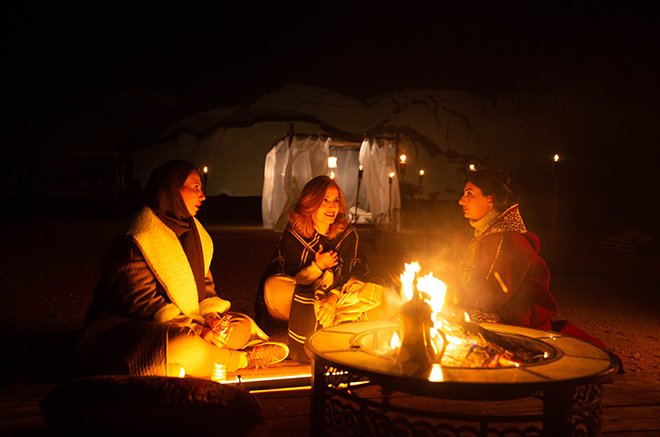
Winter Peak Season Itinerary (December-February)
Week 1: Riyadh
- Al Rajhi Mosque
- National Museum
- Kingdom Centre
- Riyadh Season events
Week 2: Jeddah & Red Sea
- Corniche and beaches
- Al-Balad historic district
- Floating Mosque
- Underwater activities
Week 3: Al-Ula
- Madain Salih archaeological site
- Old Al-Ula village
- Desert landscapes
- Rock formations
Week 4: Optional
- Asir Mountains
- Abha city
- Hiking and nature exploration
Shoulder Season Itinerary (October-November)
Week 1: Riyadh
- Riyadh Season beginning
- City exploration
- Modern and traditional sites
Week 2: Central Region
- Diriyah UNESCO site
- Desert camps and safari
- Night experiences
Week 3: Choice
- Al-Ula for history enthusiasts
- Jeddah for coastal lovers
- Asir Mountains for nature seekers
Spring Itinerary (March-April)
Similar to shoulder season but:
- Focus on mountain regions (Asir)
- Spring blooms in desert areas
- Better conditions for hiking
- Outdoor activities still strong
Final Recommendations: Best Time to Visit Saudi Arabia
For Most Travelers: October-November
This represents the optimal sweet spot combining excellent weather, manageable crowds, and good prices. October offers slightly fewer crowds than November, making it ideal for those seeking balance.
For Peak Experience: December-January
If you want the full Saudi Arabia experience with all activities possible and don’t mind crowds and higher prices, winter peak season delivers everything.
For Budget Travelers: September, April-May
Acceptable weather conditions with significantly lower prices make shoulder seasons attractive for budget-conscious visitors.
For Cultural Enthusiasts: Ramadan Period
For a unique, transformative cultural experience, Ramadan (despite temperature variations) offers unparalleled insight into Saudi society.
For Families: December-February
School holidays, perfect weather, and abundance of family activities make winter peak season ideal for families.
For Adventure Seekers: October-November
Cool enough for extended desert activities but not as crowded as December, making it ideal for adventurers.
Avoid: June-August
Extreme heat makes outdoor activities impractical for most travelers. Only visit during summer if staying in air-conditioned urban areas.
Practical Final Checklist Before Booking
Before You Book Your Saudi Arabia Trip:
☐ Decide on activities: History, beach, desert, mountains, cultural events?
☐ Check Islamic calendar: Ramadan and Eid dates affect travel plans
☐ Verify visa requirements: For your nationality and processing times
☐ Book accommodations early: Especially for peak season (October-March)
☐ Reserve popular tours: Desert safaris, Al-Ula tours, guided experiences
☐ Check for festivals: National Day, Janadriyah, Riyadh Season
☐ Plan your budget: Account for seasonal pricing variations
☐ Pack appropriately: Different seasons require different clothing
☐ Check health requirements: Vaccinations, insurance, medications
☐ Plan your itinerary: Research regional variations and travel times
Conclusion: Your Perfect Time to Visit Saudi Arabia Awaits
Saudi Arabia is a destination of extraordinary contrasts—ancient deserts meeting ultra-modern cities, spiritual significance alongside cosmopolitan entertainment, traditional culture embracing innovation. The best time to visit depends entirely on your preferences, budget, and interests.
However, if you’re asking “When should I visit Saudi Arabia?” and want a single answer: October to November represents the ideal combination of weather, crowds, prices, and experience. But don’t let that discourage you from visiting other times—Saudi Arabia has something magical to offer throughout the year, once you understand how to plan for each season.
Whether you’re a history enthusiast drawn to Al-Ula’s ancient wonders, a nature lover yearning for desert adventures, a cultural explorer seeking authentic Saudi experiences, or a modern traveler wanting cosmopolitan excitement, the kingdom welcomes you. Now that you understand the seasonal dynamics, climate patterns, and special events, you can confidently book your Saudi Arabia adventure.
The question isn’t just “When is the best time to visit Saudi Arabia?”—it’s “Which season matches my travel style?” With this comprehensive guide in hand, you can answer that question and plan the trip of a lifetime.
Ready to discover Saudi Arabia? Your perfect season awaits.
Frequently Asked Questions (FAQs)
Q: Can I visit Saudi Arabia in summer? A: Yes, but outdoor activities are severely limited due to extreme heat (45-50°C). Plan indoor activities and air-conditioned experiences. Not recommended for most tourists.
Q: What’s the cheapest time to visit Saudi Arabia? A: Summer (June-August) and late spring (May) offer the cheapest rates, though weather conditions are challenging. September and April offer better value with more acceptable conditions.
Q: Do I need special visas for Ramadan? A: No, but regular tourist visas apply. However, many restaurants are closed during daylight, and business hours change significantly.
Q: Is it possible to see snow in Saudi Arabia? A: Yes, though rare. Snow occasionally falls in the Asir Mountains during winter months, particularly in the higher elevations around Abha.
Q: What’s the best month for photography in Saudi Arabia? A: October-February, with November-January being exceptional due to clear skies and perfect lighting angles for landscape photography.
Q: How long should I plan to spend in Saudi Arabia? A: Minimum 5-7 days for a basic experience; 10-14 days recommended for a comprehensive tour; 3 weeks ideal for thorough exploration of multiple regions.
Q: Are there any months with rainfall in Saudi Arabia? A: Yes, the Asir Mountains region receives occasional rainfall in winter and spring. Most of Saudi Arabia receives minimal rainfall year-round.
Q: When is the best time for family vacations? A: December-February during winter school holidays, combined with perfect weather and abundance of family-friendly activities.

