
Ramadan is the most sacred month in the Islamic calendar. It is a time for spiritual reflection, self-discipline, and drawing closer to Allah (SWT). However, despite good intentions, many Muslims unknowingly commit mistakes that diminish the blessings of this holy month. By understanding these common errors, we can ensure our fasting, prayers, and worship align with the Sunnah and Hadith, maximizing the rewards of Ramadan.
1. Neglecting the Intention (Niyyah) for Fasting
The foundation of fasting is niyyah (intention). The Prophet Muhammad (peace be upon him) said:
“Actions are judged by intentions, and every person will get what they intended.”
— [Sahih Bukhari, Hadith 1]
Some people assume niyyah is only required once at the beginning of Ramadan or that it doesn’t need to be verbal. In reality, one should renew the intention daily before Fajr to ensure the fast is valid and rewarded.
2. Skipping Suhoor or Eating Too Early
Suhoor, the pre-dawn meal, carries immense blessing. The Prophet (PBUH) said:
“Partake in Suhoor, for indeed there is blessing in it.”
— [Sahih Bukhari, Hadith 1923]
Many Muslims in Saudi Arabia mistakenly eat Suhoor hours before Fajr or skip it entirely. The Sunnah is to delay Suhoor closer to Fajr to benefit from its spiritual and physical advantages, including strength for the day of fasting.
3. Delaying or Hastening Iftar
Breaking the fast at the correct time is crucial. The Prophet (PBUH) instructed:
“The people will remain on the right path as long as they hasten to break the fast.”
— [Sahih Bukhari, Hadith 1957]
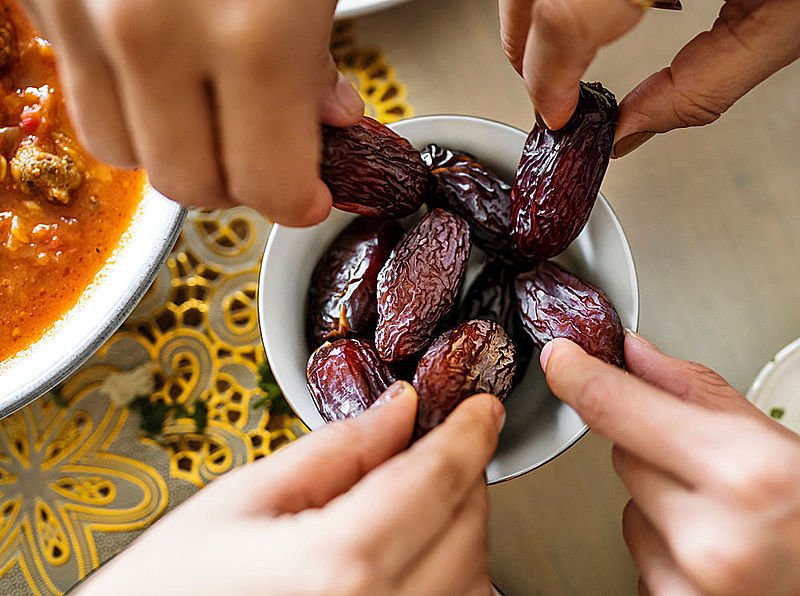
Some Muslims either delay Iftar unnecessarily or recite the Iftar dua before consuming any food or drink, which is against the Sunnah. In Saudi Arabia, with precise Adhan timings, one should break the fast immediately at Maghrib with a date or water, following the Prophet’s practice.
4. Overeating and Overindulgence
Ramadan is not a time for lavish feasts. Overeating during Iftar or Suhoor contradicts the Prophet’s guidance:
“A human does not fill a vessel worse than his stomach. It is sufficient for the son of Adam to eat what will support him.”
— [Sunan Ibn Majah, Hadith 3349]
In Saudi Arabia, where rich Iftar buffets are common, moderation is key. Eat to nourish the body, not to indulge the appetite.
5. Ignoring Spiritual Reflection and Quran Recitation
Fasting is more than abstaining from food and drink; it is a spiritual discipline. Some Muslims focus only on physical fasting and neglect Quran recitation, Dhikr, and dua. The Prophet (PBUH) said:
“Whoever does not give up false speech and acting upon it, Allah has no need that he leaves his food and drink.”
— [Sahih Bukhari, Hadith 1903]
Use Ramadan to connect deeply with Allah—read Quran daily, reflect on its meanings, and increase your night prayers (Qiyam and Taraweeh).

6. Neglecting Taraweeh Prayer
Taraweeh is a Sunnah prayer performed at night during Ramadan. While it is not obligatory, it is highly recommended, especially in Saudi Arabia, where mosques like Masjid al-Haram and Masjid an-Nabawi host thousands of worshippers nightly.
Common mistakes include:
- Skipping the first night of Taraweeh (forgetting the Islamic day starts at Maghrib)
- Praying too quickly without proper reflection on the Qur’an
The Prophet (PBUH) emphasized Taraweeh as a means to draw closer to Allah and earn immense rewards.
7. Misconceptions About Fasting and Daily Practices
Some Muslims mistakenly believe the following break their fast:
- Swallowing saliva or using scented oils/perfumes
- Using Miswak or toothpaste, as long as it is not swallowed
- Swallowing water during wudhu
All of these practices are permissible during fasting, as confirmed by Hadith:
“The Prophet (PBUH) used Miswak during fasting.”
— [Sahih Bukhari, Hadith 887]
8. Intimacy Misunderstandings
A common misconception is that couples cannot have intimacy during Ramadan. In fact, intimacy is permitted only during non-fasting hours (between Maghrib and Fajr). Fasting during the day requires abstaining, but the night is for lawful marital relations.
9. Neglecting Good Manners and Character
Ramadan is a time for self-discipline in speech and behavior. The Prophet (PBUH) warned:
“Fasting is not only abstaining from food and drink, but also from obscene speech and foul conduct.”
— [Sahih Bukhari, Hadith 1903]
Avoid gossip, anger, and disputes. Focus on patience, kindness, and charitable deeds.
10. Last Ten Nights and Laylatul Qadr
Many people focus on Eid preparations in the last ten days, neglecting worship. The Prophet (PBUH) encouraged seeking Laylatul Qadr in the odd nights of the last ten nights of Ramadan:
“Search for Laylatul Qadr in the odd nights of the last ten nights of Ramadan.”
— [Sahih Bukhari, Hadith 2017]
Spending nights in prayer, Quran recitation, and I’tikaf at the mosque (especially Masjid an-Nabawi) is a Sunnah that should not be missed.
11. Neglecting Charity and Zakat
Ramadan is a month of generosity. Delaying Zakat ul-Fitr or missing opportunities for voluntary charity (Sadaqah) is a missed blessing. The Prophet (PBUH) said:
“The fast and its reward will not be accepted without giving Zakat ul-Fitr.”
— [Hadith, Ibn Majah, Hadith 1429]
Saudi Arabia provides numerous avenues for charitable giving, from local mosques to international humanitarian initiatives—participate generously.
Conclusion: Aligning Actions with Sunnah
Ramadan is a month of immense reward and spiritual growth, but many common mistakes reduce its blessings. By following the Hadith and Sunnah, Saudi Muslims can:
- Observe fasting correctly with proper intention and timing
- Maintain moderation in eating and drinking
- Increase Quran recitation, prayer, and dua
- Avoid prohibited actions, gossip, and bad manners
- Focus on charity, worship, and the last ten nights
Practical Tip: Keep a daily checklist during Ramadan:
- Niyyah renewed each day
- Eat Suhoor close to Fajr
- Break fast immediately at Maghrib with dates/water
- Perform Taraweeh and Qiyam prayers
- Make dua at Iftar
- Give charity regularly
By correcting these mistakes and following the Sunnah, every day of Ramadan becomes a step closer to Allah’s mercy and forgiveness.
References:
- Sahih Bukhari, Hadith 1, 1923, 1957, 1903, 2017
- Sunan Ibn Majah, Hadith 3349, 1429
- Musnad Ahmad, Hadith 11086

