
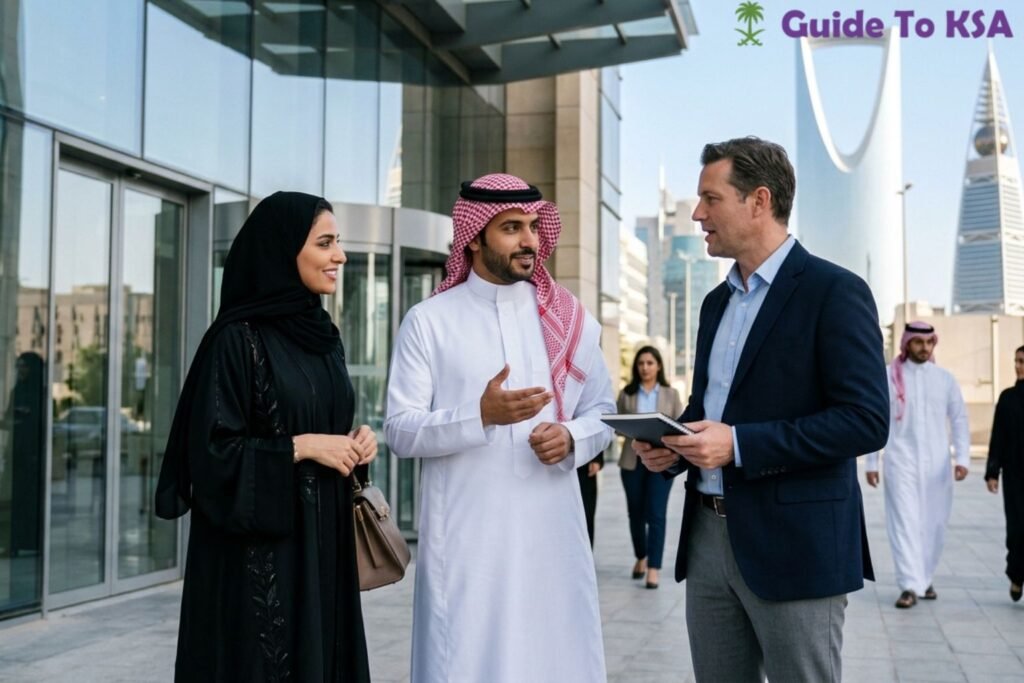
Saudi Arabia’s approach to dress and cultural customs can seem complex to first-time visitors and newcomers. However, understanding the cultural expectations around modesty, clothing, and social behavior is essential for a respectful, comfortable experience in the Kingdom. Rather than viewing these guidelines as restrictive, many travelers find that learning and respecting local dress codes enhances their experience and opens doors to deeper cultural interactions.
This comprehensive guide demystifies Saudi Arabia’s dress code requirements, explains the reasoning behind cultural norms, provides practical clothing guidance for different situations, and outlines essential etiquette rules that will help you navigate social situations with confidence and respect.
Understanding Saudi Arabia’s Cultural Foundation
Before diving into specific dress codes, it’s crucial to understand the cultural and religious principles that inform Saudi dress and etiquette norms.
Islamic Principles & Modesty
Saudi Arabia is an Islamic country where Islamic law and culture deeply influence daily life, including dress codes. The concept of modesty (“Haya”) is central to Islamic teaching.
Core Islamic Principles:
- Modesty (الحياء): Not just about clothing, but about behavior, speech, and overall demeanor
- Gender Interaction: Islamic tradition recommends modest interaction between unrelated men and women
- Respect for Sacred Sites: Special dress rules apply in mosques and holy places
- Protection & Dignity: Modest dress is viewed as protecting dignity and individuality
- Respect for Authority: Dress reflects respect for community and Islamic values
Important Context: Understanding these principles helps visitors respect local customs not as oppression but as cultural values. Most Saudis view modest dress as a positive expression of their identity and values.
Evolution of Dress Code Rules
Historical Context: Saudi Arabia’s dress codes have evolved significantly over recent decades:
- 1970s-1990s: Stricter enforcement of traditional dress
- 2000s-2010s: Gradual relaxation, more flexibility
- 2016-Present: Significant changes, increased diversity in acceptable dress
Recent Changes (2018-2024):
- Women’s driving restrictions lifted (2018)
- Tourism opened to international visitors (2019)
- Dress codes relaxed in some contexts
- Foreign women permitted to wear non-abaya clothing
- More flexibility in public spaces
- Continued tradition in conservative areas
Key Point: While dress codes have relaxed, modesty remains important. Foreign visitors are expected to respect local norms even if rules are less strict than in the past.
Dress Code by Gender
Women’s Dress Code in Saudi Arabia
For Women Residents & Long-Term Expats
Traditional Requirement: The Abaya
Historically, women in Saudi Arabia were required to wear an abaya (a long, loose, typically black cloak) in public. While this is no longer strictly required by law for foreign women, it remains culturally important.
Current Reality (2024-2026):
- Foreign women are NOT legally required to wear an abaya
- However, many foreign women choose to wear one for cultural respect
- Abayas have evolved significantly—no longer plain black only
- Modern abayas feature embroidery, colors, contemporary cuts
The Abaya Explained:
What It Is: A long, loose-fitting cloak worn over regular clothing. Traditional abayas are:
- Full-length (ankle to collar)
- Loose-fitting (doesn’t cling to body)
- Usually black (though colors now available)
- Open in front (reveals clothing underneath)
- Often beautifully embroidered or embellished
Modern Abaya Evolution: Contemporary abayas feature:
- Vibrant colors (navy, burgundy, emerald, white)
- Intricate embroidery (traditional patterns, modern designs)
- Luxury fabrics (silk, satin, chiffon)
- Designer cuts (fashion-forward silhouettes)
- Accessory integration (belts, pins, brooches)
- Modest length variations
- High-fashion interpretations
Wearing an Abaya:
- Worn over regular clothing
- Reveals color and style of clothes underneath
- Not a complete head-to-toe covering
- Paired with modern fashion underneath
- Optional: headscarf (hijab)
Where Abayas Are Still Common:
- Conservative neighborhoods
- Traditional areas
- Mosques and holy sites
- Government buildings
- Rural regions
- Religious events
Where Abayas Are Less Common (But Still Respected):
- Upscale malls
- Modern restaurants
- International hotels
- Entertainment venues
- Expat communities
- Cosmopolitan areas
- Tourist attractions
Cost & Where to Buy:
- Basic abaya: 50-150 SAR ($13-40 USD)
- Mid-range abaya: 150-400 SAR ($40-108 USD)
- Designer abaya: 400-1500+ SAR ($108-405+ USD)
- Where: Souk Al-Zal (Riyadh), specialty shops, department stores, malls
For Foreign Women Visiting Saudi Arabia
What’s Actually Required:
As of 2019 (Saudi Arabia’s opening to tourism), foreign women are NOT required to wear an abaya. However, the word “required” doesn’t capture the full complexity.
Official Guidance:
- Foreign women can wear modest clothing without an abaya
- Modesty remains important and expected
- Revealing clothing will attract negative attention
- Head covering is optional for foreign women
- Cultural sensitivity is appreciated
Practical Recommendation: While not “required,” wearing an abaya (or very modest clothing) offers several advantages:
- Shows respect for local culture
- Minimizes unwanted attention
- Avoids cultural friction
- Makes you feel more comfortable
- Enhances local interactions
- Provides practical sun protection
The Real Story: Most foreign women in major cities (Riyadh, Jeddah, Dammam) wear modest clothing WITHOUT abayas and experience no issues. However, in conservative neighborhoods or smaller towns, not wearing an abaya might attract curious looks.
Modest Clothing Alternative to Abaya:
If you choose not to wear an abaya, wear modest clothing that covers:
Top/Upper Body:
- Long sleeves (at least to elbow)
- Neckline: no lower than collarbone
- Nothing clinging to body
- Avoid sheer fabrics (unless layered)
- Layers appreciated (scarf, cardigan, blazer)
- Modest profile emphasizing comfort over curves
Bottom/Lower Body:
- Ankle-length skirts or pants
- Loose-fitting (doesn’t outline legs)
- NOT short shorts, hot pants, or mini skirts
- Maxi skirts or full-length pants ideal
- Dark colors more conservative
Footwear:
- Covered toes and heels required
- Sandals should have straps
- No flip-flops in public
- Comfortable walking shoes important (lot of walking in souks)
Accessories:
- Scarf: Optional but adds modesty
- Headscarf: Optional (many foreign women don’t wear)
- Jewelry: Modest amounts acceptable
- Bags: Modest styles preferred
- Sunglasses: Recommended for sun/privacy
Fabrics & Styles:
- Lightweight, flowing fabrics (hot climate)
- Breathable materials (cotton, linen, silk blends)
- Avoid transparent/sheer fabrics
- Relaxed fits preferred
- Professional or casual (not party wear)
Color Choices:
- Any color acceptable (blacks aren’t required)
- Neutral colors blend in but not required
- Brighter colors fine if modest style
- Avoid overly bold patterns in very conservative areas
What NOT to Wear:
- Sleeveless tops or tank tops
- Anything above knee
- Tight/form-fitting clothing
- Transparent fabrics without layering
- Plunging necklines
- Clothes with offensive graphics/text
- Swimwear outside pool/beach areas
- Workout clothes in public (leggings, etc.)
- See-through clothing
For Specific Locations
In Malls & Shopping Centers:
- Modest clothing expected but less strict
- Abayas common but not required
- Contemporary modest fashion acceptable
- T-shirts with long pants okay
- Cardigans/blazers with modest dresses okay
- Headscarf optional
In Restaurants & Cafes:
- Modest dining clothes appropriate
- Business casual standard
- Abayas often removed indoors
- Nice casual acceptable
- Headscarf optional
At Mosques & Holy Sites:
- Full coverage essential
- Headscarf required (even for non-Muslims)
- Abaya or long dress required
- Arms fully covered
- Legs fully covered to ankles
- Closed-toe shoes required
- No perfume (distracting in prayer)
At Beaches & Swimming:
- Burkini or modest swimwear required
- Full coverage from neck to knees at minimum
- NOT: Regular bikinis or revealing swimwear
- Private resort pools may be more relaxed
- Check with facility about rules
- Cover-up when not in water
At Work:
- Business attire expected
- If in Saudi organization: More conservative
- International companies: Slightly more relaxed
- Professional dress code applies
- Headscarf optional
- Modest business wear standard
At Home/Private Settings:
- Significantly more relaxed
- Among close family: Very casual acceptable
- With male relatives: More modest expected
- Among women only: Very flexible
- Cultural context important
At Events & Celebrations:
- Festive modest clothing appropriate
- Abayas often worn over nice dresses
- Colors acceptable (not just black)
- Jewelry and accessories welcomed
- Headscarf optional but sometimes worn
- Elegant but modest styling
Outdoor/Walking:
- Full modest coverage recommended
- Abayas practical (sun protection)
- Lightweight fabrics essential (heat)
- Comfortable shoes important
- Hat or headscarf for sun
- Long sleeves protect from sun
Men’s Dress Code in Saudi Arabia
For Men Residents & Long-Term Expats
Traditional Requirement: The Thobe
The thobe (also spelled “dishdasha” or “kandura”) is the traditional white garment worn by Saudi men. Similar to women and the abaya, requirements have evolved.
Current Reality (2024-2026):
- Foreign men are NOT required to wear a thobe
- Saudi men commonly wear thobe (particularly in traditional/conservative settings)
- Western clothing widely accepted for expats and visitors
- Business attire standard in corporate environments
- Cultural respect still important
The Thobe Explained:
What It Is: A long, loose-fitting garment that goes from neck to ankles. Traditional thobes are:
- White (most common)
- Long sleeves
- Ankle-length
- Flowing and loose-fitting
- Fastened with buttons
- Made from lightweight cotton or wool
Modern Thobe Variations:
- Colored thobes (cream, beige, light gray)
- Different sleeve styles
- Varied necklines
- Designer interpretations
- Embroidered versions
- Contemporary cuts
Accessories with Thobe:
- Ghutra (غترة): Headcloth worn over head
- Agal (عقال): Black cord holding headcloth in place
- Bisht (البشت): Cloak worn over thobe for formal occasions
- Sandals: Often leather, worn with thobe
Cultural Significance:
- Symbol of Saudi identity
- Worn in traditional/conservative settings
- Standard at religious events
- Common in government buildings
- Worn at home and in traditional areas
- Sign of respect and cultural pride
When Thobes Are Worn:
- Religious events and prayers
- Government buildings and official settings
- Conservative neighborhoods
- Home and family gatherings
- Traditional celebrations
- Friday (holy day)
- Rural and traditional areas
For Foreign Men Visiting Saudi Arabia
What’s Required:
Foreign men are NOT required to wear a thobe. Western clothing is widely acceptable.
Practical Dress Code:
Foreign men should wear modest clothing appropriate to context:
General Public:
- Long pants (not shorts)
- Shirts with sleeves (at least short-sleeved)
- Not form-fitting or revealing
- Casual or business casual appropriate
- Solid colors or neutral patterns
- Professional presentation
What NOT to Wear:
- Shorts (except at private pools/beaches)
- Sleeveless shirts/tank tops in public
- Tight or form-fitting clothing
- Anything revealing or provocative
- Clothes with offensive graphics/text
- Swimwear outside water areas
- Excessively casual/sloppy clothing in public
Acceptable Clothing:
- Business casual (standard in workplaces)
- Casual dress (pants + shirt with sleeves)
- Jeans with modest shirts
- Chinos with collared shirts
- T-shirts with long pants
- Blazers and dress shirts
- Light sweaters in air conditioning
- Lightweight fabrics (heat)
Business Settings:
- Business suits standard
- Dress shirts and ties appropriate
- Formal dress code in some organizations
- Conservative styling preferred
- Dark colors more formal
- Professional appearance essential
Religious Sites:
- Covered legs (long pants required)
- Covered shoulders (sleeves required)
- Shoes removed at mosque doors
- No shorts or sleeveless shirts
- Respectful, modest appearance
Casual Settings:
- Jeans and t-shirt acceptable
- Shorts NOT appropriate (even casual)
- Light casual wear fine
- Comfortable clothing important
- Modest styling still applies
Footwear:
- Closed-toe shoes generally preferred
- Sandals acceptable (with socks)
- Avoid very casual flip-flops
- Athletic shoes fine for casual
- Comfortable walking shoes important
Headwear:
- Hats acceptable for sun protection
- No head covering required
- Baseball caps, sun hats fine
- Respect at religious sites
Practical Clothing Packing Guide
What to Pack for Saudi Arabia
Women’s Packing List
Tops:
- 5-7 long-sleeved shirts/blouses (at least to elbow)
- 3-4 t-shirts with long sleeves
- 2-3 cardigans or light sweaters
- 1-2 blazers for business/nicer occasions
- Layering pieces (scarves, wraps)
- Light jackets or shawls
Bottoms:
- 2-3 pairs full-length pants
- 2-3 maxi skirts or full-length skirts
- Jeans or casual pants
- Comfortable walking pants
- 1-2 pairs nice trousers
Dresses:
- 1-2 modest dresses (below knee, sleeves)
- Maxi dresses or long dresses
- NOT short dresses or minis
Footwear:
- Comfortable walking shoes (essential for souks)
- Business shoes for work/formal
- Sandals with straps
- Loafers or casual shoes
- 1 pair nicer shoes for dinner/events
Outerwear:
- Light cardigan or sweater (air conditioning is strong)
- Scarf or wrap (sun protection + cultural respect)
- Light jacket for evenings
Swimwear:
- Modest swimwear (burkini or conservative option)
- NOT: Regular bikini or revealing swimwear
- Cover-up for changing
Undergarments:
- Modest undergarments (won’t show through)
- Comfortable for heat
- No visible bra straps
Accessories:
- Modest jewelry (not excessive)
- Small crossbody bag or purse
- Practical bag for shopping
- Sunglasses
- Hat or headscarf
- Scarf for warmth in air conditioning
- Watch
Seasonal Considerations:
Winter (Oct-March):
- Light layers (sweaters, cardigans)
- Closed-toe shoes
- Light jacket
- Scarf (sun + warmth)
- Comfortable but warm clothing
Summer (June-August):
- Lightweight, breathable fabrics
- Linen and cotton preferred
- Light colors (cooling)
- Loose-fitting for ventilation
- Hat or headscarf for sun
- Sunglasses
- Comfortable walking sandals with straps
Shoulder Seasons (Sept, April-May):
- Layers for varying temperatures
- Transitional pieces
- Light jacket
- Mix of sleeves
Pro Packing Tips:
- Stick to neutral colors (easier to coordinate)
- Bring more tops than bottoms (can re-wear pants)
- Choose wrinkle-resistant fabrics
- Avoid items requiring ironing if possible
- Comfortable shoes essential (lot of walking)
- Choose pieces that can layer
- Select versatile items that work in multiple contexts
Cultural Etiquette: Beyond Dress Code
Dress code is just one aspect of cultural respect. Understanding broader etiquette rules will enhance your experience and avoid cultural missteps.
General Social Etiquette
Greetings & Introductions
Handshakes:
Between Same Gender:
- Handshakes appropriate and common
- Firm handshake standard
- Professional, respectful greeting
- Acceptable in business and social settings
Between Opposite Genders (Key Point):
- Saudi men may decline to shake hands with women (religious reasons)
- Saudi women may decline to shake hands with men
- This is NOT rude—it’s cultural/religious practice
- Foreign women should NOT initiate handshake with Saudi men
- Allow the Saudi person to initiate
- If hand isn’t offered, a respectful nod or verbal greeting is appropriate
- In business settings, handshakes sometimes accepted despite tradition
Proper Approach:
- Wait to see if hand is extended
- Don’t take non-handshake as rejection
- Respect religious reasoning
- Use verbal greeting: “Assalamu alaikum” (Peace be upon you)
- Professional and warm without physical contact
Verbal Greetings:
Arabic Greetings:
- “Assalamu alaikum” (as-salaam-o-alaikum) – “Peace be upon you” – most respectful
- “Wa alaikum assalam wa rahmatullahi wa barakatuh” – Response meaning “And upon you be peace, and the mercy and blessings of Allah”
- “Sabah al-khair” – “Good morning”
- “Masaa al-khair” – “Good evening”
- “Keef halak” – “How are you?” (to man)
- “Keef halik” – “How are you?” (to woman)
- “Wa antal” – “And you?” (response)
English Greetings:
- English widely spoken
- “Hello,” “Good morning,” standard
- Many Saudis speak English well
- Professional tone appropriate
Names & Titles:
Using Names:
- Use titles (Mr., Dr., Engineer) until invited to use first name
- Saudi names often include family/tribal names
- Last names are family names, not surnames like Western countries
- Men often called by first name preceded by Abu (father of): “Abu Ahmed”
- Women often called by first name preceded by Um (mother of): “Um Fatima”
Formal Address:
- Very formal initially
- Relaxes as relationships develop
- Business settings: More formal
- Social settings: Can become informal
Eye Contact:
Appropriate Eye Contact:
- Moderate eye contact shows respect and attention
- Avoiding eye contact suggests dishonesty or disrespect
- Excessive staring inappropriate
- Cultural norm: Direct but not intense gaze
- More formal in business, warmer in social
Gender Considerations:
- Between same gender: Normal eye contact
- Between opposite genders: More modest eye contact
- In conservative settings: Less direct eye contact with opposite gender
- Professional settings: Standard business eye contact
Respect & Hierarchy
Understanding Hierarchy:
Saudi society values respect for authority and hierarchy:
In Organizations:
- Respect superiors and senior staff
- Follow chain of command
- Don’t bypass hierarchy
- Acknowledge authority appropriately
In Society:
- Respect elders and older people
- Gender roles recognized (though evolving)
- Religious scholars held in high regard
- Royal family commands respect
Appropriate Behavior:
Showing Respect:
- Stand when entering room (initially)
- Address superiors formally
- Listen more than talk initially
- Follow others’ lead in relationships
- Don’t rush to familiarity
- Professional demeanor important
What’s Considered Disrespectful:
- Interrupting (especially superiors)
- Loud or boisterous behavior
- Aggressive arguing or confrontation
- Dismissing someone’s viewpoint harshly
- Being late (disrespects person’s time)
- Casual attitude toward formality when expected
Gender Interactions
Important Context:
Gender relations in Saudi Arabia are evolving. Traditional practices persist alongside modern changes:
Key Points:
Opposite-Gender Interactions:
- Professional interactions common in business
- Social interactions follow cultural norms
- Friendship between opposite genders culturally complex
- Private socializing between unrelated opposite genders uncommon
- Avoid extended one-on-one situations with opposite gender
- Group settings more appropriate for socializing
Same-Gender Interactions:
- Very warm and close
- Physical touch between same-gender friends (holding hands, arms around shoulders) normal
- Deep emotional bonds expressed openly
- Extended time together appropriate
Gender Segregation:
- Still occurs in conservative contexts
- Separate prayer areas in mosques
- Some events gender-segregated
- Business meetings usually mixed
- Social events: Varies by type
- Family gatherings may be gender-segregated
Women’s Interactions:
- Women increasingly independent and working
- Female professionals common
- Women can initiate business interactions
- Respect professional boundaries
- Many women drive and work outside home
Men’s Interactions:
- Traditional male gatherings still important
- Business relationships formal initially
- Male friendships very important
- Traditional roles evolving
Practical Approach:
- Follow local lead in gender interactions
- Respect stated preferences
- Don’t assume traditional roles
- Be professional in business settings
- Be respectful in social settings
- Ask if unsure about appropriateness
Speaking & Conversation
Topics to Embrace:
- Saudi Culture & Heritage: Saudis proud of culture
- Islamic History: Important to Saudi identity
- Sports: Football/soccer very popular
- Family: Highly valued, safe topic
- Travel: Saudis love travel, interested in visitors’ experiences
- Food & Dining: Enjoyable discussion topic
- Business & Work: Professional conversations
- Modern Saudi Arabia: Economic development, modernization
Topics to Avoid:
- Politics of Saudi Arabia: Sensitive, can be misinterpreted
- Religion Criticism: Offensive and inappropriate
- Israeli-Palestinian Conflict: Politically charged
- Women’s Rights (Judgment Tone): Can be seen as disrespectful
- Alcohol: Prohibited in Islam, don’t discuss consumption
- Dating & Relationships: Personal, conservative culture
- Scandals or Gossip: Unprofessional
- Complaints About Saudi Arabia: Disrespectful
- Stereotyping Middle East: Offensive and inaccurate
Conversation Style:
What’s Appreciated:
- Respectful inquiry about Saudi culture
- Genuine interest in traditions
- Compliments on hospitality
- Positive observations
- Professional and warm tone
- Good listening skills
- Thoughtful questions
What’s Avoided:
- Aggressive debating
- Loud or boisterous conversation
- Negative generalizations
- Dismissive attitude
- Excessive familiarity too quickly
- Inappropriate humor
- Complaining
Language Considerations:
- English widely spoken, especially in cities
- Arabic valued and appreciated
- Even basic Arabic phrases respected
- Don’t assume Arabic understanding
- Clarify communication when needed
- Professional translation for important matters
Dining Etiquette
Formal Dining Rules
At Saudi Homes:
Arrival & Greeting:
- Remove shoes when entering home (unless modern building)
- Accept hospitality graciously
- Compliment the home
- Greet with “Assalamu alaikum”
- Stand when other guests arrive
Table Manner:
- Wait for host to begin eating
- Use right hand for eating (left hand considered unclean)
- Never point feet toward host or other diners
- Eat from your portion and shared platters
- Accept offered food (refusal can seem rude)
- Compliment food thoroughly and sincerely
- Modest eating if full (host will continue offering)
After Meal:
- Don’t immediately leave after eating
- Accept offered tea or coffee
- Engage in conversation
- Thank host profusely
- Praise the meal multiple times
- Wait for host to stand before leaving
In Restaurants:
Arrival & Seating:
- Arrive on time (punctuality important)
- Wait to be seated
- Sit appropriately (avoid putting feet up)
- Accept offered menu
- Take time reviewing menu
Dining:
- Use utensils provided or eat with hands if traditional dish
- Pace yourself with others
- Accept recommendations
- Don’t waste food
- Compliment dishes
Payment:
- Check bill carefully
- Tip 10% appreciated (not required)
- Service charge sometimes included
- Cash or card both acceptable
- Host may insist on paying (gracious acceptance appreciated)
Religious Food Considerations
Halal (حلال):
All food in Saudi Arabia is Halal certified. Halal means:
- Permissible under Islamic law
- Specific slaughter methods for meat
- No pork or non-Halal meats
- Proper handling and preparation
Respect for Halal:
- All meat in Saudi Arabia is Halal
- Don’t question meat sources (guaranteed Halal)
- Respect importance to Muslim diners
- Don’t mix Halal with non-Halal foods
Ramadan Dining:
During Fasting Hours (Sunrise to Sunset):
- Muslims won’t eat/drink in public
- Eating/drinking in front of fasting person disrespectful
- Some restaurants closed during day
- Limited public eating/drinking options
- Private consumption acceptable in hotels
Breaking Fast (Iftar):
- Meal at sunset when fast breaks
- Very communal, celebratory
- Large portions expected
- Sweet foods traditional
- Highly social event
- Invited guests greatly honored
Pre-Dawn Meal (Suhoor):
- Eaten before sunrise fast begins
- Energy-sustaining foods
- Family meal typically
- Very important nutritionally
Physical Etiquette
Space & Touch
Personal Space:
Same Gender:
- Close personal space comfortable
- Physical affection between same-gender friends common
- Hand-holding between male friends normal
- Arm around shoulder typical
- Very warm, close relationships
Opposite Gender:
- Greater personal space maintained
- Minimal physical contact with unrelated opposite gender
- No casual touching
- Professional distance important
- Respect boundaries carefully
Physical Contact:
What’s Appropriate:
- Handshake with same gender
- Among friends of same gender: Hand-holding, arm around shoulder
- Family: Various forms of affection
- Children: Physical affection common
What’s Inappropriate:
- Kissing opposite gender (unless family)
- Casual touching with opposite gender
- Hugging opposite gender (unless family)
- Excessive physical familiarity
- Public displays of affection with opposite gender
Sitting & Body Position
Appropriate Seating:
- Don’t point soles of feet toward others (insulting)
- Cross legs modestly if crossing
- Avoid sprawling or overly casual posture
- Sit up straight showing respect
- Don’t put feet on furniture
- Avoid reclining excessively
Walking & Positioning:
- Don’t block doorways or pathways
- Move aside for others (especially elders)
- Show deference through positioning
- Stand when others stand (sign of respect)
- Don’t position yourself above others (standing when they sit)
Photography & Privacy
Photography Rules
What’s Generally Okay:
- Landscapes and landmarks
- Tourist attractions
- Public streets (in general)
- Architectural photography
- Your own group/family
What Requires Permission:
- People: Always ask before photographing anyone
- Women: Especially important—many prefer not to be photographed
- Religious Figures: Ask for permission
- Children: Always ask parents first
- Private Property: Ask before photographing homes/businesses
What’s Strictly Prohibited:
- Government Buildings: Military, security buildings off-limits
- Palaces & Royal Residences: Absolutely prohibited
- Airports & Borders: Restricted areas not permitted
- Police & Uniformed Personnel: Don’t photograph without permission
- Sacred Sites: Inside mosques—specific photography rules
- Certain Industries: Oil facilities, sensitive areas
Practical Photography Tips:
- Ask permission when in doubt
- Respect “no” gracefully
- Don’t be sneaky about photography
- Explain why you want photo if questioned
- Show respect for privacy concerns
- Delete photos if requested
- Show people their photos if they want to see
Privacy & Discretion
Personal Privacy:
- Saudi culture values privacy highly
- Don’t ask personal questions initially
- Respect confidentiality in conversations
- Don’t share others’ information
- Privacy of family matters important
- Discretion appreciated
Religious Privacy:
- Prayer times are personal/spiritual
- Don’t discuss prayer habits casually
- Respect prayer room needs
- Don’t interrupt prayer
- Religious matters handled respectfully
Context-Specific Etiquette Guide
Business Settings
Business Dress Code
Standard Business Attire:
Women:
- Business suits or dresses (modest, covered)
- Blouses with long sleeves
- Professional pants or skirts (below knee)
- Closed-toe shoes
- Minimal jewelry
- No flashy appearance
- Abayas optional (many wear to show respect)
- Headscarf optional
Men:
- Business suits standard
- Dress shirts with ties
- Dress pants
- Closed-toe shoes (leather preferred)
- Watch and minimal jewelry
- Professional grooming
- Thobe sometimes worn (less common in international companies)
Business Etiquette
Meetings:
- Arrive on time (earlier better than late)
- Dress formally
- Address people by titles
- Formal greeting: “Assalamu alaikum”
- Handshakes (respect gender norms)
- Wait for host to begin
- Follow their lead on formality
- Speak clearly and professionally
- Listen more than talk initially
- Take notes if appropriate
Business Cards:
- Receive with right hand
- Study card respectfully
- Place on table in front of you
- Never write on or ignore card
- Return card respectfully
- Bring plenty of cards
- Have translations available
Negotiation:
- Build relationship before business
- Don’t rush discussions
- Respect hierarchy in negotiations
- Accept hospitality (coffee, tea)
- Professional but warm tone
- Avoid aggressive tactics
- Patience important
- Don’t show frustration
Communication:
- Email: Professional and formal
- Phone: Respectful tone
- In-person: Preferred for important matters
- Ramadan: Be aware of fasting, adjust schedule
- Friday: Holy day, not typical business day
- Hours: Standard business hours apply
Office Behavior
Workplace Conduct:
- Professional demeanor always
- Respect hierarchy and authority
- Punctuality important
- Modest behavior and language
- Focus on work
- Respect prayer time (prayer room needs)
- Don’t consume alcohol or discuss
- Gender-respectful interactions
- Support colleagues professionally
Religious Settings
Mosque Etiquette
Before Entering:
- Remove shoes at entrance
- Women cover completely (headscarf required)
- Men wear long pants
- Both genders need covered shoulders
- Women typically enter through different entrance
- Non-Muslims can visit outside prayer times (not during prayer)
Inside Mosque:
- Move quietly and respectfully
- Don’t point feet toward prayer direction (Qibla)
- Don’t walk in front of someone praying
- Photography usually prohibited (check first)
- Don’t lean against walls
- Stand respectfully
- Remove sunglasses
- No touching sacred items
- Women sit in separate area
Behavior:
- Very quiet and respectful
- Don’t talk or laugh
- Don’t eat or drink
- Leave quietly
- Don’t disrupt prayers
- Ask permission before moving around
- Show reverence for the space
Prohibited Activities:
- Disrespectful comments about Islam/religion
- Pointing out “flaws” in faith
- Loud noise or disturbance
- Photography without permission
- Touching or sitting on prayer areas
Other Religious Observations
Friday (Yaumul Jumu’ah – Islamic Holy Day):
- Many businesses close midday for prayers
- Government offices have adjusted hours
- Some restaurants may have limited service
- Large congregations at mosques
- Cities quieter during prayer times
Islamic Holidays (Eids):
- Official holidays, most businesses closed
- Family celebration time
- Mosques very busy
- Special meals prepared
- Extended greetings: “Eid Mubarak” (Blessed Eid)
- Wear nice modest clothing
- Don’t expect services to operate
Social Events
Wedding & Celebration Etiquette
What to Wear:
- Formal modest clothing
- Women: Nice dress or abaya over nice outfit
- Men: Formal suits or thobe
- Colors: Can be festive
- Jewelry: Appropriate for celebration
- Shoes: Formal and comfortable
Gift Giving:
- Bring gift (cash or item)
- Cash traditionally given (in nice envelope)
- Amounts: Moderate to generous
- Gifts wrapped nicely
- Include greeting card
- Present with right hand
Celebration Behavior:
- Arrive at appropriate time
- Greet host warmly
- Accept all offered hospitality
- Eat generously (shows appreciation)
- Compliment preparations
- Participate in festivities
- Respect any gender segregation if present
- Thank host thoroughly
Photography:
- Ask before photographing guests
- May be more restricted for women’s celebrations
- Follow hosts’ photography guidelines
- Don’t photograph without permission
Home Visits
Guest Etiquette
Arrival:
- Arrive on time or slightly late (not early)
- Dress modestly and nicely
- Remove shoes upon entering (ask if unsure)
- Greet warmly: “Assalamu alaikum”
- Accept offered drink/hospitality
- Compliment home
During Visit:
- Follow host’s lead on seating
- Accept offered food
- Eat with right hand
- Don’t refuse food (shows disrespect)
- Compliment food sincerely
- Engage in conversation
- Don’t overstay (watch host for cues)
- Respect family members’ privacy
Leaving:
- Thank host profusely
- Praise the visit and hospitality
- Accept offered gifts graciously
- Don’t linger excessively
- Leave at appropriate time
- Say goodbye warmly
- Send thank-you message later
Gift Giving:
- Bring gift if invited to home
- Flowers: Acceptable
- Chocolates or sweets: Good choice
- Gifts from your country: Appreciated
- Avoid: Alcohol, anything controversial
- Wrap nicely
- Present with right hand
- Host may not open immediately (polite)
Common Mistakes to Avoid
Dress Code Mistakes
Mistakes Women Make:
- Wearing abaya improperly – Should be loose and flowing, not tight
- Showing hair under hijab – Keep completely covered
- Wearing jewelry that jingles – Should be subtle
- Tight pants with loose top – Both should be modest
- Sheer fabrics without layering – Always layer transparent materials
- Feet/sandals in mosques – Shoes must be removed completely
- Perfume in mosques – Distracting in prayer space
- Sleeveless in public places – Need coverage to elbows
Mistakes Men Make:
- Wearing shorts in public – Should wear long pants always
- Sleeveless shirts outside – Need sleeve coverage
- Tight or form-fitting clothes – Should be loose and comfortable
- Disrespectful thobe wearing – If wearing, should wear correctly
- Not removing shoes in homes – Always remove unless told otherwise
Etiquette Mistakes
- Pointing feet toward people – Insulting body language
- Left hand for eating – Always use right hand
- Refusing offered food – Can seem disrespectful
- Rushing through meals – Pace yourself appropriately
- Not saying thank you – Gratitude important
- Assuming handshake with opposite gender – Wait for them to extend hand
- Loud behavior in public – Respect quiet, modest demeanor
- Photography without asking – Always get permission
- Discussing alcohol – Prohibited and inappropriate
- Negative comments about Saudi Arabia – Very disrespectful
- Asking personal questions too quickly – Build relationship first
- Interrupt superiors – Wait your turn in hierarchy
- Public displays of affection – Keep romantic interactions private
- Eating alone while others fast – Show respect during Ramadan
- Not respecting prayer time – Acknowledge importance
Regional Variations in Dress & Etiquette
Riyadh (Central, Most Conservative)
Dress Code:
- More conservative than coastal cities
- Abayas more commonly seen
- Modest clothing essential
- Headscarf more common
- Traditional dress respected
Etiquette:
- More formal initially
- Stronger gender-specific norms
- Business formality important
- Religious observance visible
Jeddah (Coastal, More Relaxed)
Dress Code:
- Noticeably more relaxed than Riyadh
- Abayas less required
- Modest clothing without abaya acceptable
- More color and fashion visible
- International influence visible
Etiquette:
- Slightly less formal
- More modern interactions
- Business still professional
- International visitors common
Dammam & Eastern Region (Mixed Modern/Traditional)
Dress Code:
- Mix of traditional and modern
- Abayas common but not absolute
- Business casual acceptable in many contexts
- International company influence
Etiquette:
- Professional norms strong
- Business etiquette formal
- Mix of modern and traditional
Rural & Conservative Areas (More Traditional)
Dress Code:
- More conservative throughout
- Abayas strongly recommended
- Full modest coverage essential
- Traditional dress respected
Etiquette:
- More formal relationships
- Traditional hierarchy important
- Respect for elders emphasized
- Religious observance visible
Seasonal & Situational Variations
Ramadan (Special Considerations)
Dress Code:
- More conservative during fasting hours
- Modest dress especially important
- Abayas more commonly worn
- Less revealing clothing appropriate
Behavior:
- Don’t eat/drink in public during fasting
- More reserved behavior during day
- Festive at night during Iftar
- Respect fasting practice
- Extra respect important
Etiquette:
- Sensitivity to fasting
- Shorter work days
- Modified business hours
- Greetings: “Ramadan Kareem” or “Ramadan Mubarak”
Eid Celebrations (Holiday Times)
Dress Code:
- Festive modest clothing
- Nice abayas or outfits
- Colors acceptable
- Jewelry and accessories appropriate
Behavior:
- Celebratory mood
- Family time emphasized
- Extended social gatherings
- Festive meals
Greetings:
- “Eid Mubarak” – most appropriate
- “Kul ‘am wa antum bi-khair” – And you’re doing well each year
- Warm hugs and well-wishes
Frequently Asked Questions About Dress & Etiquette
Q: Do I absolutely have to wear an abaya as a foreign woman? A: No, it’s not legally required. However, wearing one shows cultural respect and can minimize unwanted attention. Modest clothing without an abaya is also acceptable in modern areas.
Q: Can I wear pants as a woman? A: Yes, long pants are very acceptable. They should be modest and not form-fitting. Full-length pants are perfect.
Q: What should I wear to the beach? A: Modest swimwear is required—either a burkini or conservative swimsuit covering from neck to knees. Regular bikinis are not appropriate.
Q: Is it really important to use my right hand for eating? A: Yes, it’s culturally important. The left hand has a different cultural significance. Using your right hand shows respect and cultural awareness.
Q: What if I accidentally offend someone with my clothing or behavior? A: Most Saudis are very forgiving of foreigners’ cultural mistakes. If you realize an error, simply apologize sincerely. Say “Asif/Asfa” (I’m sorry) or “Excuse me.” Most people will appreciate the effort.
Q: Can I wear makeup as a woman? A: Yes, makeup is acceptable. Modest amounts are appreciated. Avoid heavy makeup that’s overly provocative.
Q: Are sunglasses appropriate? A: Yes, sunglasses are very practical in the bright sun. Wear them outside. Remove them in formal settings or religious spaces.
Q: What if I’m invited to a wedding or event? What should I wear? A: Wear nice modest clothing. Women can wear a dress or abaya over nice outfit in festive colors. Men wear formal suits or thobe. Be well-dressed but modest.
Q: How important is the greeting “Assalamu alaikum”? A: Very important. It shows respect and cultural understanding. Even if you don’t speak Arabic otherwise, this greeting is deeply appreciated.
Q: Can I wear a headscarf if I’m not Muslim? A: Yes, wearing a headscarf shows respect for local culture, especially in religious or conservative settings. However, it’s optional for non-Muslims.
Q: What’s appropriate to bring if invited to someone’s home? A: Flowers, chocolates, or sweets are good choices. Avoid alcohol and controversial items. Wrap the gift nicely.
Q: Should I offer to remove my shoes when entering a home? A: Yes, or ask: “Should I remove my shoes?” Most homes expect this. Modern buildings may not require it, but always be ready to.
Q: How do I know if photography is allowed? A: Always ask first. In mosques, check with staff. In public areas, ask people if you want to photograph them. Better to ask than assume.
Q: What topics are safe for small talk? A: Food, travel, Saudi culture and history, family, sports. Avoid politics, religion criticism, women’s rights discussions, and alcohol.
Q: Is it okay to ask about someone’s wife or family member? A: Yes, inquiring about family is appropriate and appreciated. Shows genuine interest in the person.
Q: What does eye contact mean in Saudi Arabia? A: Moderate eye contact shows respect and honesty. Avoiding eye contact can seem evasive. Excessive staring is rude. Find middle ground.
Q: How do I address someone formally? A: Use titles: “Mr./Mrs./Dr./Engineer” (then first name or last name). They’ll invite you to use first names as relationship develops.
Cultural Sensitivity Checklist
Before Visiting or Moving to Saudi Arabia:
✓ Research Islamic basics (helpful context) ✓ Learn key Arabic phrases (appreciated effort) ✓ Understand modest dress importance ✓ Research specific city (variations exist) ✓ Check current dress code guidelines (rules evolve) ✓ Pack modest clothing ✓ Prepare for cultural differences (normal adaptation) ✓ Have open mind (genuine interest helps) ✓ Learn about Saudi culture and history ✓ Respect religious observance
During Your Time in Saudi Arabia:
✓ Observe others’ dress and behavior (learn by example) ✓ Ask questions when unsure (people appreciate asking) ✓ Be humble about cultural differences ✓ Show genuine respect for culture ✓ Accept corrections gracefully ✓ Avoid being judgmental ✓ Appreciate unique aspects of culture ✓ Build genuine relationships ✓ Show gratitude for hospitality ✓ Be patient with adaptation process
Conclusion: Embracing Cultural Respect
Understanding Saudi Arabia’s dress code and cultural etiquette isn’t about restriction—it’s about respect, awareness, and genuine engagement with a rich, complex culture. When you dress modestly and follow cultural norms, you’re not sacrificing comfort or individual identity; you’re honoring the values of the people and place you’re visiting or living in.
Saudi Arabia is undergoing rapid modernization while maintaining core cultural values. This creates interesting dynamics where traditional and modern coexist. As a visitor or resident, your respectful approach to dress and behavior will:
- Build Relationships: Showing respect opens doors to genuine connections
- Enhance Experience: You’ll be treated with warmth when you show respect
- Avoid Friction: Understanding norms prevents awkward situations
- Express Appreciation: Respecting culture is the highest compliment
- Create Positive Exchange: You represent your own culture well through respectful behavior
The most important thing to remember: Saudi people are incredibly hospitable and forgiving. They appreciate genuine efforts to respect their culture, and they understand that foreigners are still learning. Don’t aim for perfection; aim for respect and awareness.
As you navigate Saudi Arabia’s dress code and cultural expectations, remember that most Saudis are excited to see visitors and residents engaging respectfully with their culture. Your willingness to learn, adapt, and show respect will be appreciated far more than perfect adherence to every rule.
Welcome to Saudi Arabia. Dress respectfully, behave thoughtfully, and enjoy the remarkable experience of engaging with one of the world’s most dynamic cultures.
Ahlan wa Sahlan (Welcome)!
Quick Reference: Dress Code at a Glance
| Situation | Women | Men |
|---|---|---|
| Daily Public | Modest long clothing, abaya optional, headscarf optional | Long pants, shirt with sleeves |
| Shopping Malls | Long modest clothes, abaya optional | Casual but covered |
| Restaurants/Cafes | Modest dining wear | Business casual |
| Mosques | Full coverage, headscarf required | Long pants, covered shoulders |
| Beach/Pool | Burkini or modest swimwear | Swimming shorts, shirt recommended |
| Work (International) | Business attire, modest | Business suit |
| Work (Saudi Organization) | Conservative business dress | Business suit or thobe |
| Home Visits | Nice modest clothes | Nice casual or business |
| Formal Events | Elegant modest dress/abaya | Suit or thobe |
| Religious Events | Full coverage, headscarf | Long pants, covered |
| Outdoor Activities | Full modest coverage, hat | Long pants, sleeves, hat |
Quick Reference: Key Etiquette Rules
- Use right hand for eating and greeting
- Don’t point feet toward people (insulting)
- Ask before photographing anyone
- Accept offered food (refusal is rude)
- Say “Assalamu alaikum” when greeting
- Respect hierarchy in organizations
- Dress modestly always in public
- Wait for handshake offer with opposite gender
- Remove shoes when entering homes
- Thank host profusely after meals or visits
- Respect prayer times and religious observance
- Don’t discuss prohibited topics
- Be on time (punctuality respected)
- Listen more than you talk initially
- Show genuine respect for culture (most important!)

