
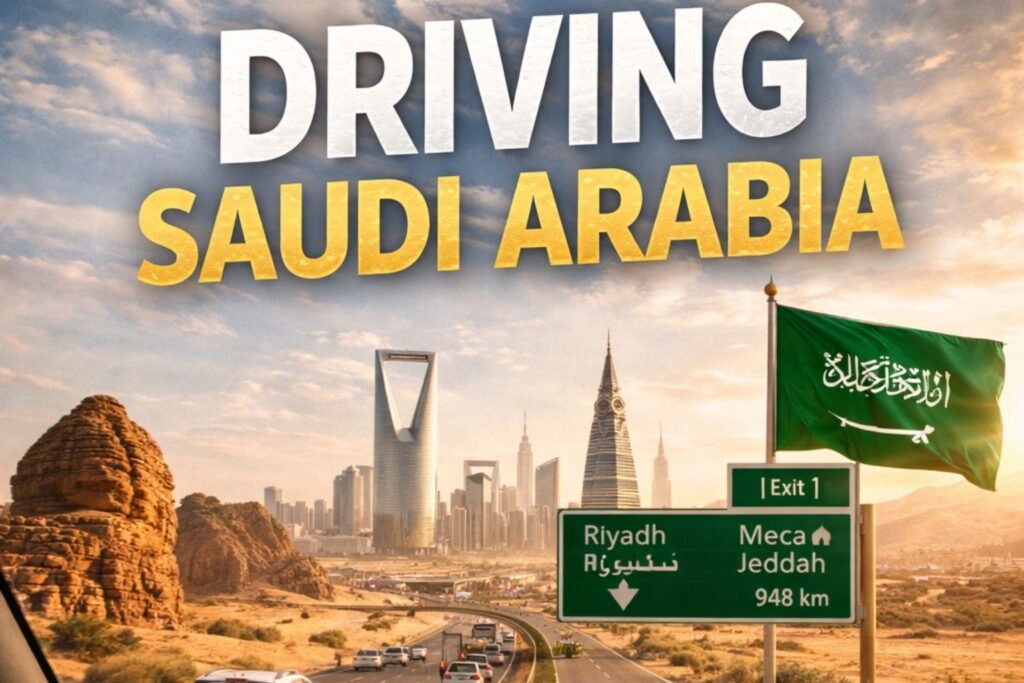
Driving in Saudi Arabia can be a convenient and efficient way to travel, especially since the country has a modern highway system and well-developed road infrastructure. However, if you are new to the Kingdom, it is important to understand the local driving rules, regulations, and road culture to ensure a safe and legal driving experience.
Whether you are a resident, expatriate worker, or tourist, this guide from GuidetoKSA.com will help you understand the most important driving rules in Saudi Arabia, including speed limits, license requirements, traffic laws, and safety tips.
Who Can Drive in Saudi Arabia?
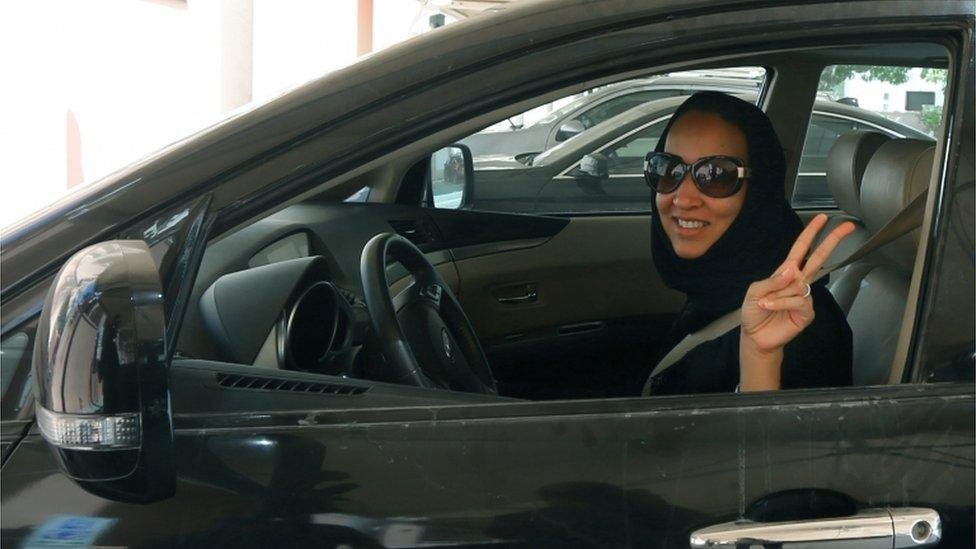
Both Saudi citizens and foreigners are allowed to drive in Saudi Arabia. However, drivers must meet certain requirements.
Requirements for Driving
To legally drive in the Kingdom, you must have one of the following:
- A valid Saudi driving license
- A valid international driving permit (IDP) for tourists
- A recognized foreign driving license (temporary use for visitors)
Expatriates who live in Saudi Arabia long term must convert their foreign license into a Saudi driving license.
Minimum Driving Age
The minimum legal driving age in Saudi Arabia is:
- 18 years old for a private vehicle license
- 20 years old for heavy vehicles or trucks
Driving without a valid license can result in heavy fines and legal penalties.
Speed Limits in Saudi Arabia
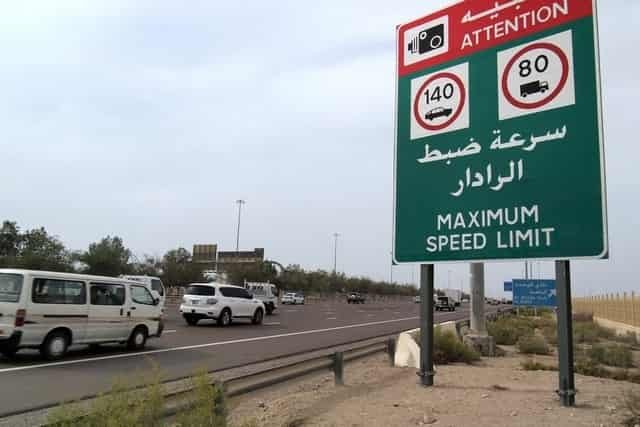
Speed limits in Saudi Arabia vary depending on the type of road. The government strictly enforces these limits using automated traffic cameras known as the Saher system.
Common Speed Limits
- Urban roads: 40–80 km/h
- Main city roads: 80–100 km/h
- Highways: 120–140 km/h
Speed cameras are widely installed across major cities such as Riyadh, Jeddah, and Dammam, and exceeding the speed limit can result in automatic fines.
Seat Belt Laws
Seat belt use is mandatory for all passengers in Saudi Arabia.
This includes:
- The driver
- Front seat passengers
- Rear seat passengers
Failure to wear a seat belt can result in traffic fines issued through the Saher traffic monitoring system.
Mobile Phone Usage While Driving

Using a mobile phone while driving is strictly prohibited unless you are using a hands-free system.
Drivers caught using their phone may face:
- Traffic fines
- Recorded violations in the Absher system
- Possible license penalties
To stay safe, always focus on the road and avoid distractions while driving.
Traffic Signals and Road Signs
Saudi Arabia follows international traffic signs and signals, which makes it easier for foreign drivers to understand the rules.
Important signals include:
- Red light: Stop completely
- Yellow light: Prepare to stop
- Green light: Go
Running a red light is considered a serious traffic violation and may result in large fines.
Right-Hand Driving System
Saudi Arabia follows a right-hand driving system, which means:
- Vehicles drive on the right side of the road
- The steering wheel is on the left side of the car
Drivers coming from countries with left-hand driving systems should take extra care when driving for the first time in Saudi Arabia.
Women Driving in Saudi Arabia
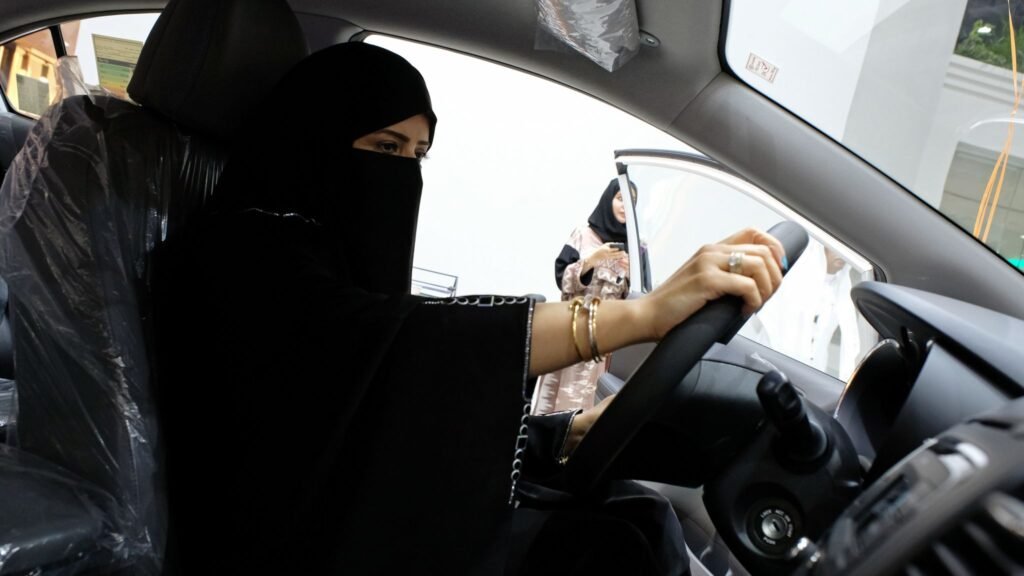
Since June 2018, women have been legally allowed to drive in Saudi Arabia. This historic change has significantly increased mobility and independence for women in the Kingdom.
Today, women can:
- Apply for a Saudi driving license
- Purchase and own vehicles
- Drive freely across the country
Women drivers must follow the same traffic laws and regulations as men.
Child Safety Rules
Child safety is an important part of Saudi traffic regulations.
Key rules include:
- Children must use proper car seats
- Young children should sit in the rear seats
- Infants must be placed in approved safety seats
These rules are designed to protect children and reduce injuries during accidents.
Driving During Sandstorms
Sandstorms are common in certain parts of Saudi Arabia and can significantly reduce visibility.
If you encounter a sandstorm while driving:
- Reduce your speed immediately
- Turn on hazard lights
- Maintain a safe distance from other vehicles
- Pull over safely if visibility becomes too poor
Driving cautiously during sandstorms can help prevent accidents.
Important Traffic Penalties
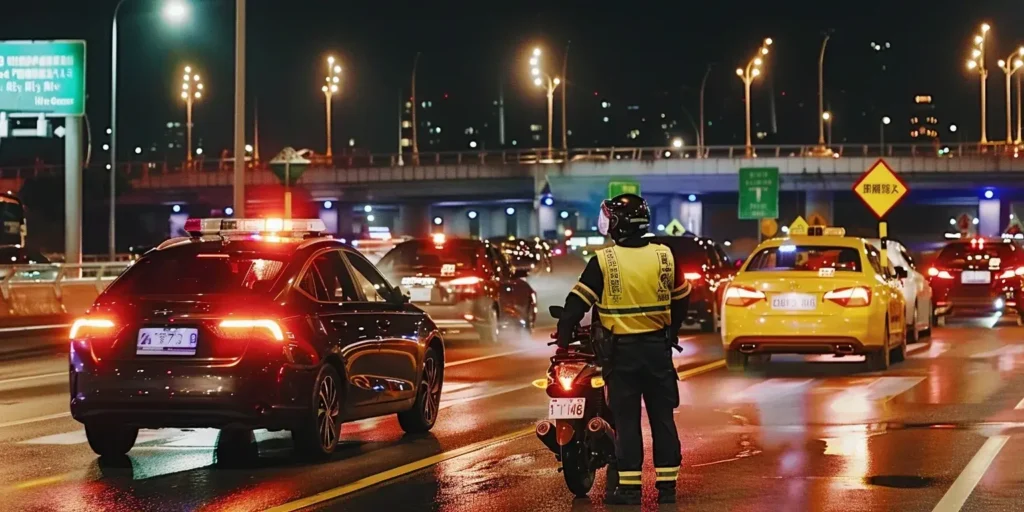
Saudi Arabia has strict traffic laws, and violations may result in fines, license suspension, or vehicle impoundment.
Common traffic violations include:
- Speeding
- Running red lights
- Using a phone while driving
- Dangerous driving or drifting
- Driving without a license
Traffic fines are usually recorded digitally and can be checked through the Absher government platform.
Road Conditions in Saudi Arabia
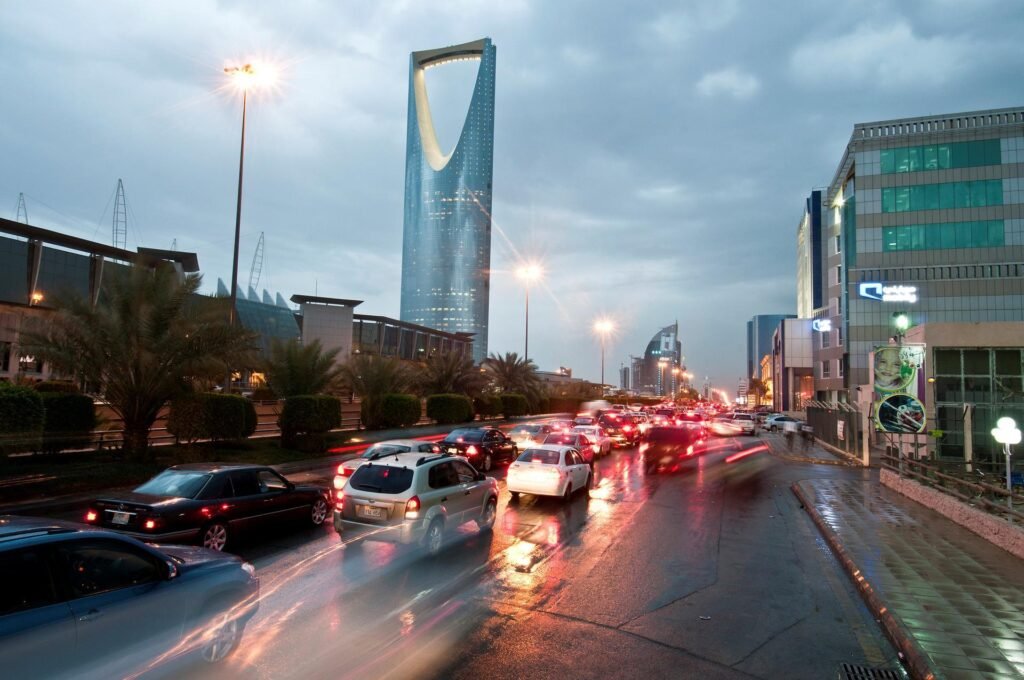
Saudi Arabia has some of the best highways in the Middle East, connecting major cities across the country.
Highway travel is common between cities such as:
- Riyadh
- Jeddah
- Dammam
- Medina
- Makkah
However, drivers should remain cautious of:
- Long travel distances
- Desert areas
- Occasional camels crossing roads in rural regions
Useful Driving Tips for Foreigners
If you are new to driving in Saudi Arabia, these tips can help you stay safe:
✔ Always carry your driving license and identification
✔ Follow speed limits carefully
✔ Use GPS or navigation apps for long trips
✔ Avoid aggressive driving
✔ Keep emergency numbers saved on your phone
Understanding local driving culture will help make your experience smoother.
Final Thoughts
Driving in Saudi Arabia is generally safe and convenient thanks to modern highways and advanced traffic monitoring systems. However, understanding the country’s driving rules and regulations is essential for avoiding fines and ensuring safety on the road.
By following traffic laws, respecting speed limits, and driving responsibly, both residents and visitors can enjoy a smooth driving experience across the Kingdom.
For more helpful guides about living, traveling, and working in Saudi Arabia, visit GuidetoKSA.com, your trusted source for information about the Kingdom.

