
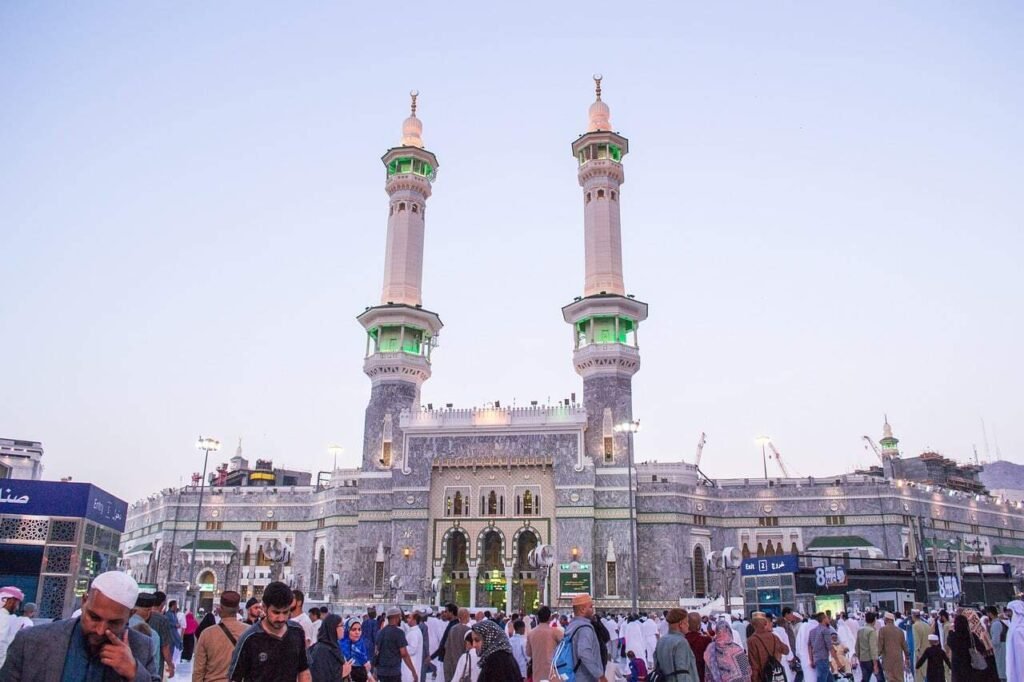
Masjid al-Haram in Makkah is not only the holiest mosque in Islam, but also one of the largest and most architecturally complex religious structures in the world. At the heart of this sacred mosque stands the Kaaba, while surrounding it are dozens of beautifully designed gates, each with its own name, history, and purpose.
Many pilgrims pass through these gates every day without realizing that each door carries deep Islamic, historical, and geographical significance. Some gates are named after great companions of the Prophet ﷺ, some after historic events, and others after nearby locations or routes.
In this detailed guide, we will explore the 42 famous and named gates of Masjid al-Haram, their meanings, locations, and why they matter to visitors.
Why Are the Gates of Masjid al-Haram So Important?
The gates of Masjid al-Haram are more than entrances. They:
- Help manage millions of pilgrims during Hajj and Umrah
- Reflect Islamic history and heritage
- Serve as directional landmarks for worshippers
- Are masterpieces of Islamic architecture
Today, Masjid al-Haram has over 200 gates, but 42 of them are well-known and officially named, making them especially important for navigation and history.
The 42 Named Gates of Masjid al-Haram (Complete Guide)
Below is a user-friendly list with explanations, written to help both first-time visitors and history lovers.
Here’s a detailed guide to the first 10 gates:
1. King Abdul Aziz Gate (Gate 1)
- Location: Eastern entrance, facing the main city roads from Makkah.
- Historical Significance: Named after King Abdul Aziz, the founder of modern Saudi Arabia, in recognition of his contributions to the expansion and modernization of Masjid al-Haram.
- Spiritual Significance: Being one of the main entrances, it is often associated with welcoming pilgrims into the sacred mosque — a symbolic “gateway to devotion.”
- Practical Tips:
- Heavily used by visitors from nearby hotels.
- Equipped with elevators, ramps, and wide corridors for smooth movement.
- Recommended for elderly and physically challenged pilgrims.
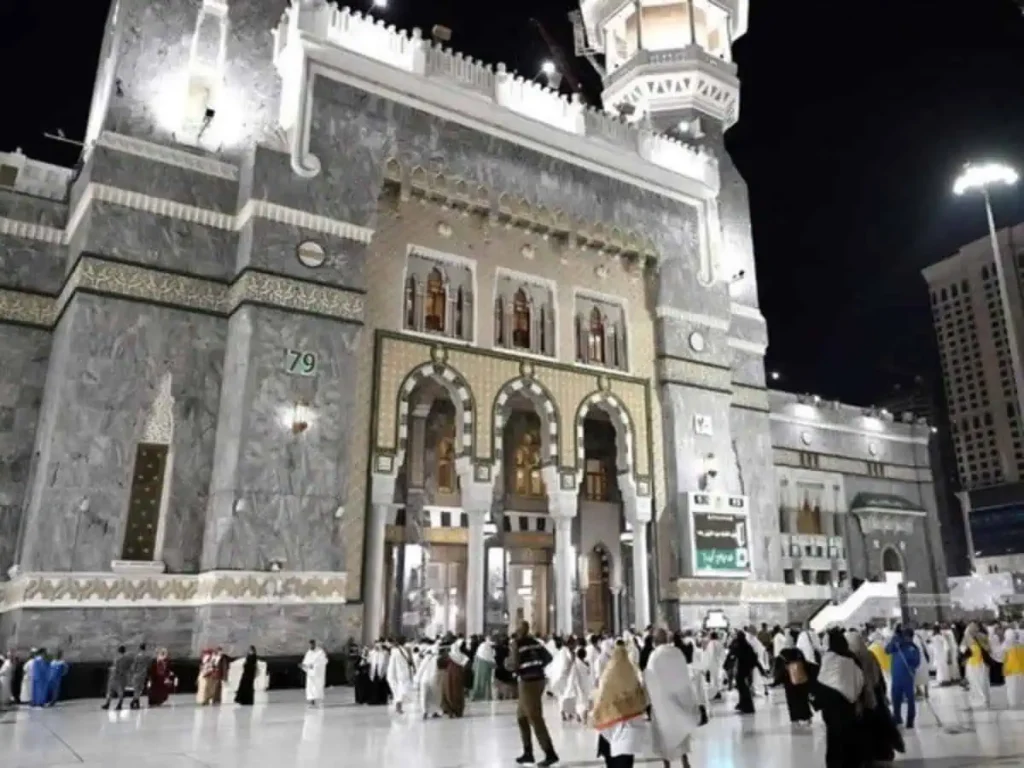
2. Bab Ajyad (Gate 5)
- Location: Western side of Masjid al-Haram, near the historic Ajyad area and Ajyad Fort.
- Historical Significance: Bab Ajyad is adjacent to Ajyad Fort, a historic structure that once overlooked the Kaaba and Makkah city. It represents Makkah’s historical and architectural heritage.
- Spiritual Significance: Pilgrims passing through this gate feel connected to the centuries-old history of Makkah.
- Practical Tips:
- Used to manage pilgrim flow from western hotels and roads.
- Provides convenient access to the Mas’a area for Sa’i.
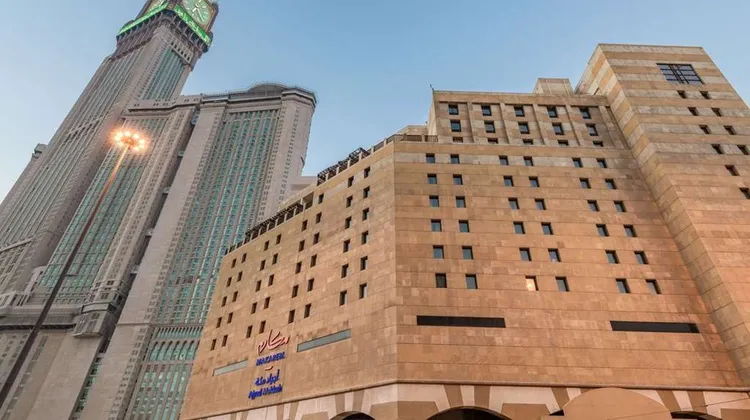
3. Bab Bilal (Gate 6)
- Location: Northern side of Masjid al-Haram.
- Named After: Bilal ibn Rabah (RA), the first muezzin of Islam and a beloved companion of Prophet Muhammad ﷺ.
- Historical Significance: Honors Bilal’s legacy as the first person to call believers to prayer in Islam.
- Spiritual Significance: Entering through this gate is often symbolic for pilgrims seeking spiritual devotion and connection to the call of prayer.
- Practical Tips:
- Popular for pilgrims arriving from northern hotels.
- Less crowded than main entrances, making it suitable for early morning prayers.
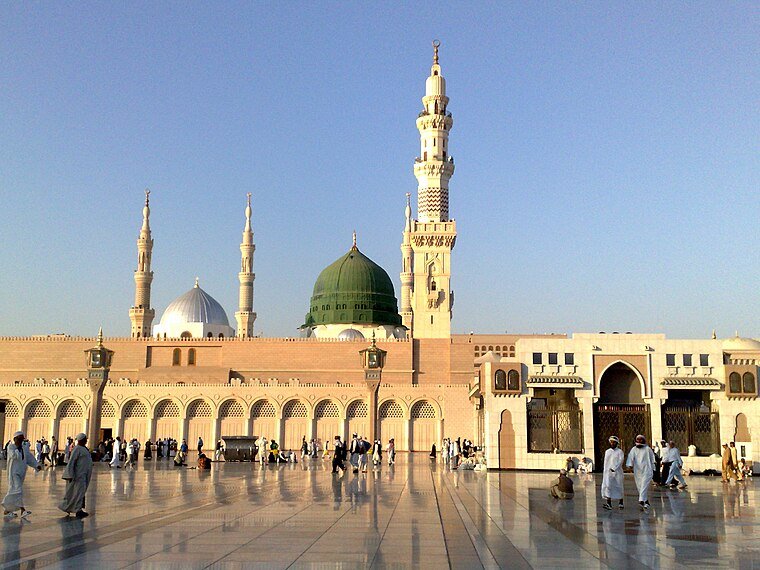
4. Bab Hunain (Gate 9)
- Location: Northern corridor of Masjid al-Haram.
- Named After: The Battle of Hunain, a significant early Islamic battle.
- Historical Significance: This gate commemorates the faith, courage, and perseverance of early Muslims who defended Islam in its formative years.
- Spiritual Significance: Walking through Bab Hunain is a reminder of trust in Allah and steadfastness in faith.
- Practical Tips:
- Access point for northern Tawaf areas.
- Less congested than the central gates, making it ideal for reflective prayer.
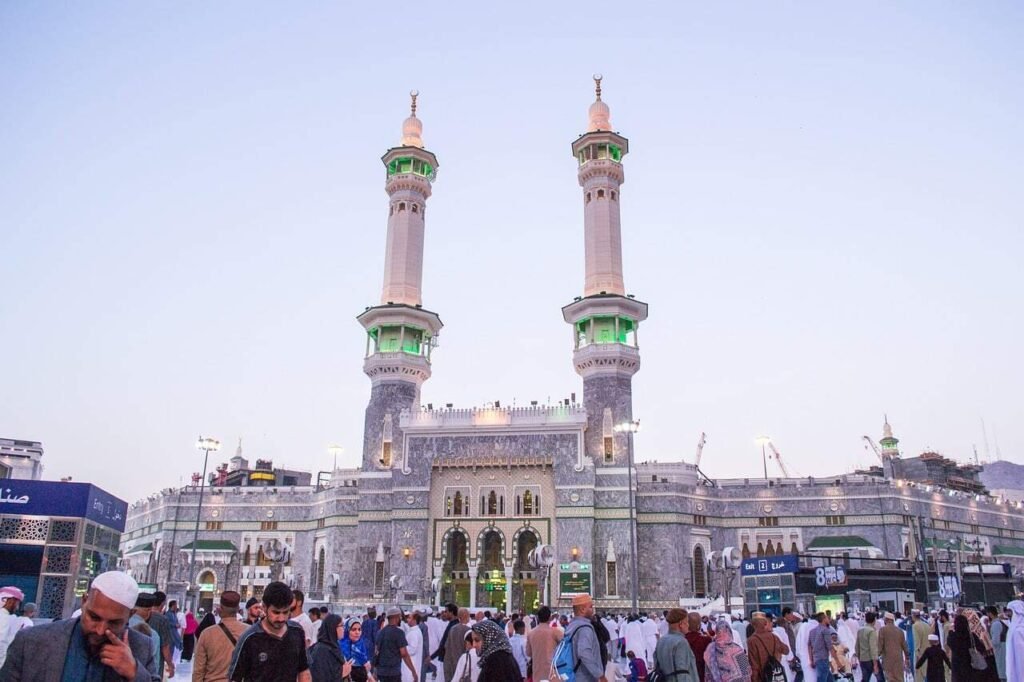
5. Bab Ismail (Gate 10)
- Location: Northern side near the Kaaba.
- Named After: Prophet Ismail (AS), son of Prophet Ibrahim (AS).
- Historical Significance: Prophet Ismail, along with Prophet Ibrahim, helped construct the Kaaba — this gate commemorates his role and legacy.
- Spiritual Significance: Entry through Bab Ismail symbolizes closeness to the Kaaba and spiritual purification.
- Practical Tips:
- Leads directly to the Kaaba, ideal for pilgrims starting Tawaf.
- Nearby ablution areas make it convenient for performing prayers.
6. Bab Safa (Gate 11)
- Location: Facing Safa hill, part of the Sa’i route.
- Historical Significance: This gate is historically linked to the hills of Safa and Marwah, where Hajar (AS) ran in search of water for her son Ismail (AS).
- Spiritual Significance: Starting Sa’i from Bab Safa allows pilgrims to connect with Hajar’s devotion and struggle, making the ritual more meaningful.
- Practical Tips:
- Best gate for pilgrims intending to perform Sa’i immediately after Tawaf.
- Heavily used during Umrah and Hajj seasons; early arrival recommended.

7. Bab Hamza (Gate 12)
- Location: Northern side near the central mosque area.
- Named After: Hamza ibn Abdul Muttalib (RA), the Prophet’s uncle and a martyr of Islam.
- Historical Significance: Represents bravery and sacrifice in defending the early Muslim community.
- Spiritual Significance: Walking through Bab Hamza reminds pilgrims of courage, loyalty, and faithfulness to Islam.
- Practical Tips:
- Less crowded than main gates.
- Ideal for locals or pilgrims familiar with the mosque layout.
8. Bab Qubais (Gate 13)
- Location: Eastern side, near Jabal Abu Qubais.
- Named After: Jabal Abu Qubais, one of Makkah’s historic mountains.
- Historical Significance: Connects visitors to Makkah’s natural heritage and landmarks.
- Spiritual Significance: Walking through Bab Qubais offers a sense of connection to Makkah’s geography and history.
- Practical Tips:
- Often used by visitors from nearby eastern hotels.
- Leads to less crowded areas near Mas’a corridors.
9. Bab an-Nabi (Gate 14)
- Location: Southeastern side of Masjid al-Haram.
- Meaning: Gate of the Prophet ﷺ.
- Historical Significance: Traditionally believed to be an entrance used by Prophet Muhammad ﷺ.
- Spiritual Significance: High reverence among pilgrims; walking through this gate feels spiritually connecting to the Prophet ﷺ.
- Practical Tips:
- Less congested; preferred by pilgrims seeking a quieter entry.
- Close to the main Tawaf area for direct access to Kaaba.
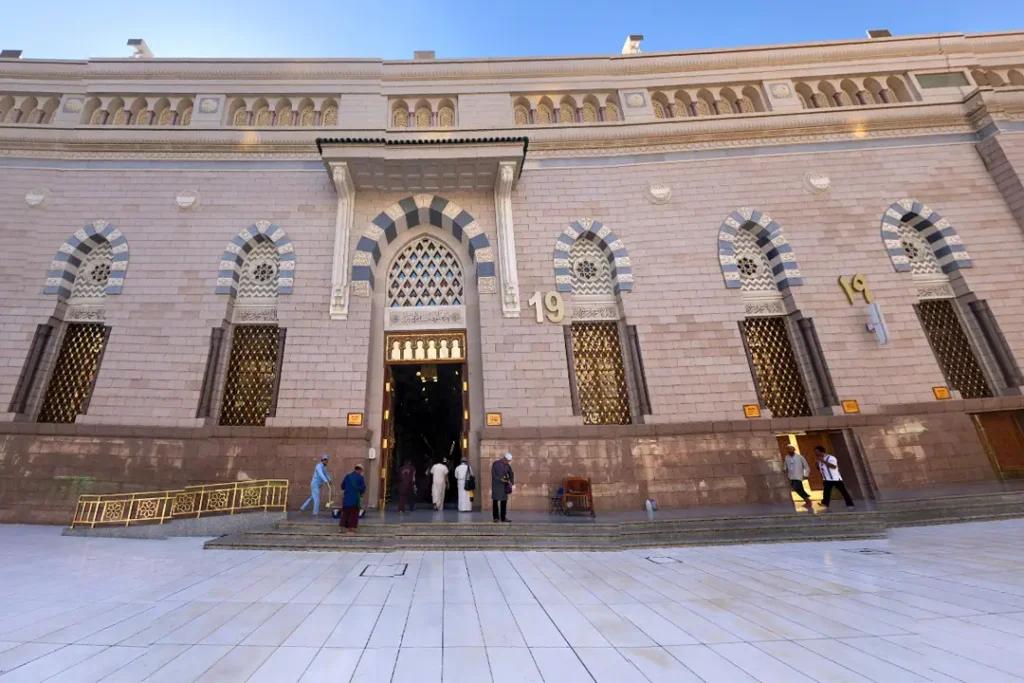
10. Bab an-Nabi Bridge (Gate 15)
- Purpose: Connects upper walkways and bridges for crowd management.
- Historical Significance: Designed to handle large pilgrim volumes efficiently during Hajj and Umrah.
- Spiritual Significance: Provides a bird’s-eye view of Masjid al-Haram, giving pilgrims a unique perspective on the mosque and Kaaba.
- Practical Tips:
- Ideal for photography and navigation during peak seasons.
- Bridges are equipped with safety rails and clear signage.
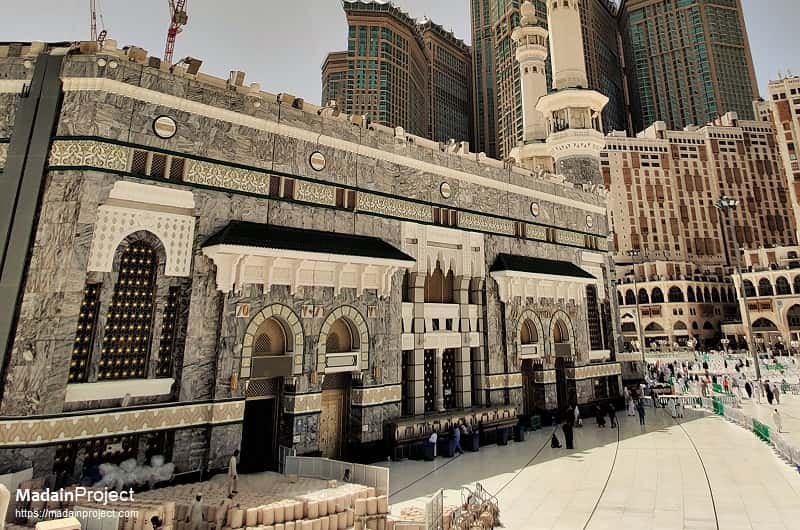
11. Bab Dar-ul-Arqam (Gate 16)
- Location: Northern side, close to central prayer areas.
- Named After: Dar Al-Arqam, the house of Al-Arqam ibn Abi Al-Arqam.
- Historical Significance: Dar Al-Arqam was the first Islamic school where early Muslims secretly learned about Islam.
- Spiritual Significance: Represents knowledge, secrecy, and devotion in the early Islamic era.
- Practical Tips:
- Entry for pilgrims accessing northern Tawaf corridors.
- Less crowded, ideal for quiet reflection before prayers.
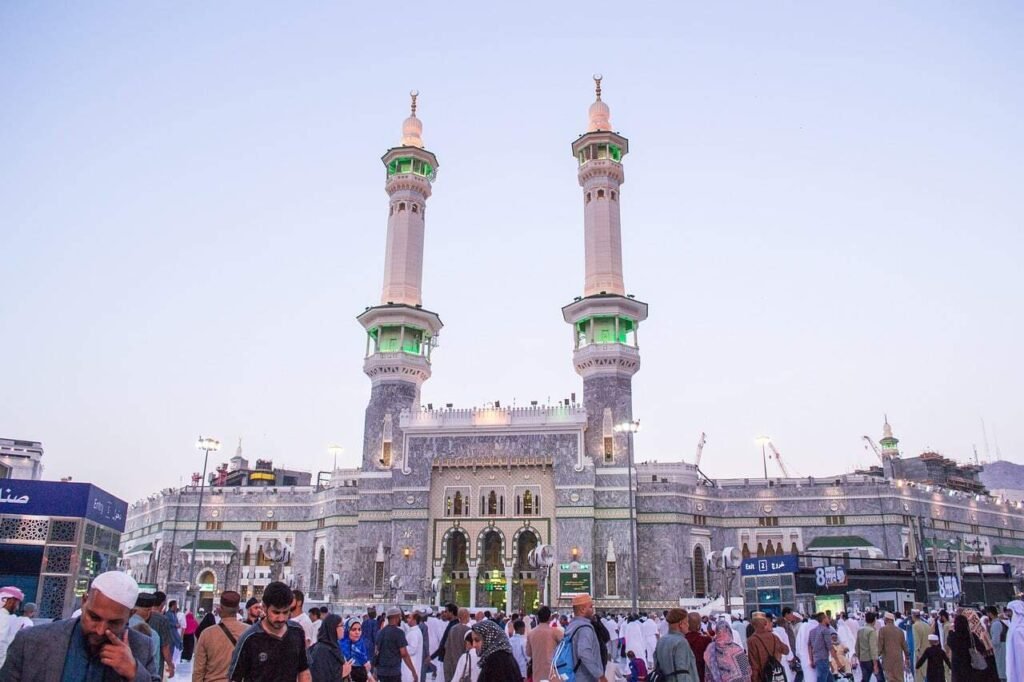
12. Bab Ali (Gate 17)
- Location: Northern side of Masjid al-Haram.
- Named After: Ali ibn Abi Talib (RA), cousin and son-in-law of Prophet Muhammad ﷺ.
- Historical Significance: Ali was a central figure in early Islam, known for his courage, wisdom, and loyalty.
- Spiritual Significance: Passing through this gate symbolizes connection to justice, faith, and leadership.
- Practical Tips:
- Smooth access to Kaaba and Tawaf areas.
- Ideal for pilgrims looking for quieter entrances.
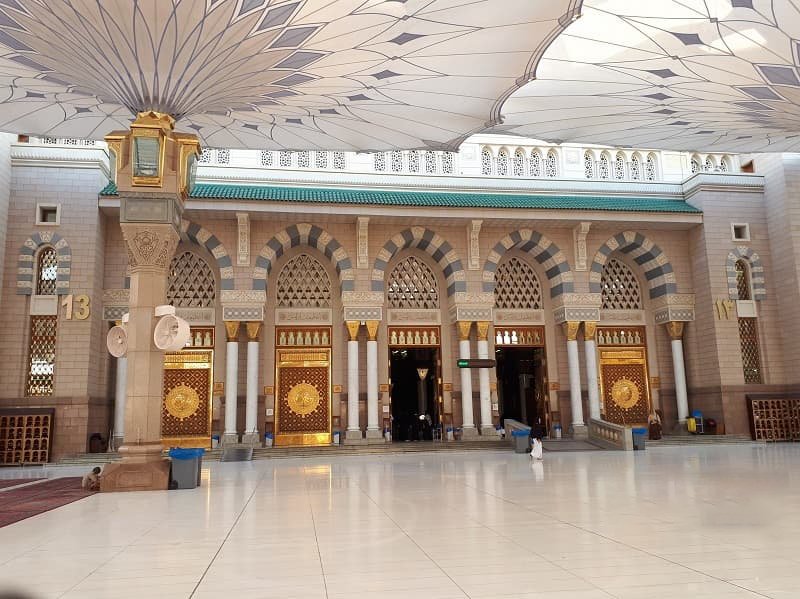
13. Bab Abbas (Gate 20)
- Location: Eastern corridor of the mosque.
- Named After: Abbas ibn Abdul Muttalib (RA), the Prophet’s uncle.
- Historical Significance: Abbas was known for supporting Islam and caring for the Prophet ﷺ during early struggles.
- Spiritual Significance: Entry through this gate reminds pilgrims of family loyalty, protection, and support of faith.
- Practical Tips:
- Often used by guided pilgrim groups.
- Close to ablution areas for convenience.
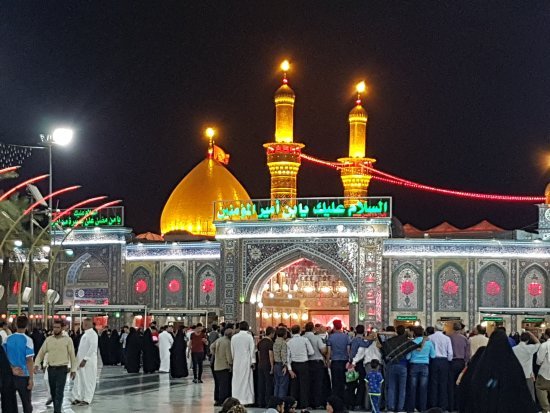
14. Bab Bani Hashim (Gate 21)
- Location: Eastern corridor, near historical family areas of the Prophet ﷺ.
- Named After: Bani Hashim, the Prophet’s tribe.
- Historical Significance: Tribe of Prophet Muhammad ﷺ; central to early Islamic history.
- Spiritual Significance: Pilgrims walking through this gate connect with the Prophet’s family and tribal heritage.
- Practical Tips:
- Useful for accessing eastern Tawaf corridors.
- Less crowded than main gates, suitable for reflection and meditation.
15. Bab Bani Shaybah (Gate 22)
- Location: Near Kaaba’s eastern side.
- Historical Significance: The Bani Shaybah family historically held the key to the Kaaba — a position of great trust.
- Spiritual Significance: Symbolizes custodianship, trustworthiness, and faith in Islam.
- Practical Tips:
- Entry for pilgrims performing Tawaf or Sa’i.
- Ideal for those wishing to access Kaaba quickly.
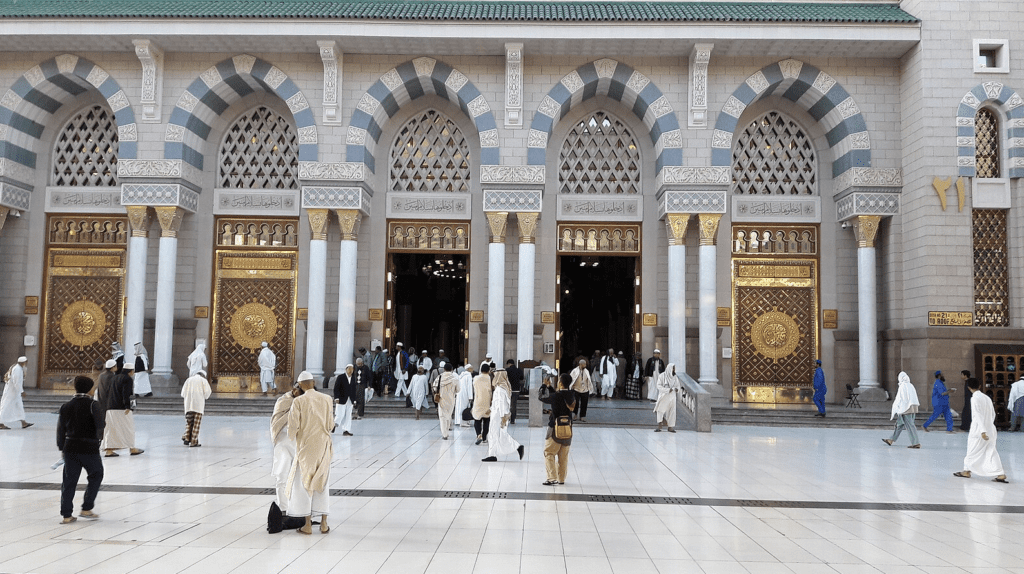
16. Bab Marwah (Gate 23)
- Location: Facing Marwah hill, one of the hills of Sa’i.
- Historical Significance: Named after the hill where Hajar (AS) ran searching for water for her son Ismail (AS).
- Spiritual Significance: Allows pilgrims to start Sa’i rituals from the Marwah side, connecting directly with Hajar’s devotion.
- Practical Tips:
- Very busy during Umrah and Hajj seasons.
- Early arrival recommended to avoid congestion.
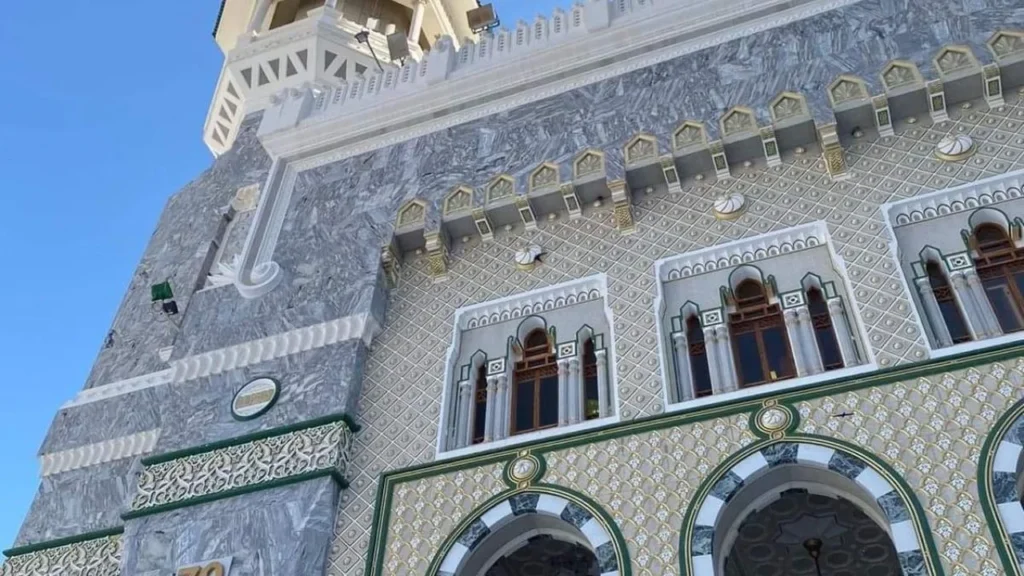
17. Bab Al-Mud’a (Gate 25)
- Location: Northern corridor near central prayer halls.
- Historical Significance: Historically linked to areas of purification and preparation for worship.
- Spiritual Significance: Entry symbolizes purity and readiness for devotion.
- Practical Tips:
- Leads directly to ablution areas.
- Often less crowded, ideal for small group entry.
18. Bab Quraysh (Gates 26–27)
- Location: Northern-east side.
- Named After: Quraysh tribe, the Prophet’s tribe.
- Historical Significance: The Quraysh controlled Makkah before Islam; symbolic of leadership and historical continuity.
- Spiritual Significance: Walking through these gates connects pilgrims to the roots of Islam and the Prophet’s early community.
- Practical Tips:
- Dual gates to handle higher pilgrim traffic.
- Suitable for groups performing Tawaf.
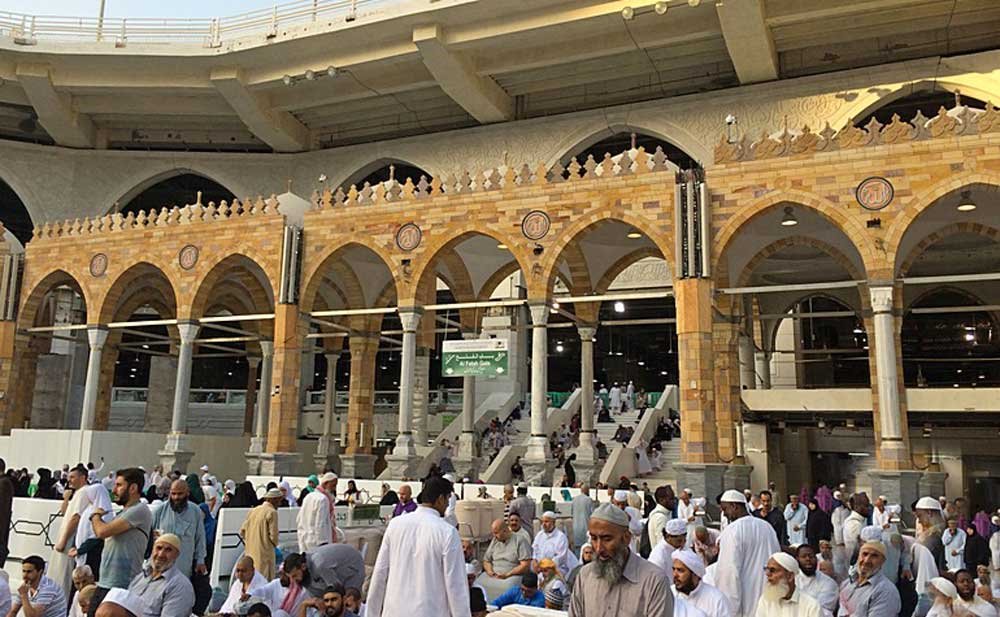
19. Bab Arafah (Gate 35)
- Location: Eastern corridor facing Mina direction.
- Historical Significance: Connects pilgrims to Arafah, a key Hajj ritual site.
- Spiritual Significance: Entry through this gate reminds pilgrims of the importance of Hajj and standing before Allah at Arafah.
- Practical Tips:
- Used mainly during Hajj to direct pilgrims to Mina and Arafah.
- Helps control crowd flow from eastern corridors.
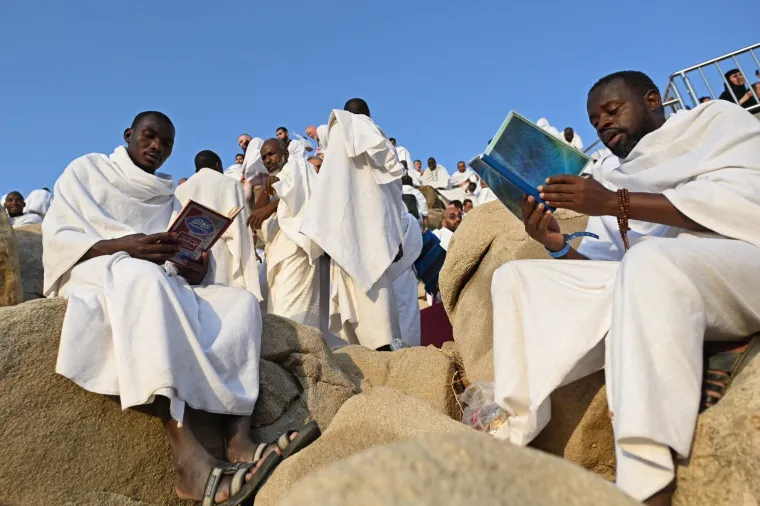
20. Bab Muzdalifah (Gate 36)
- Location: Near the eastern side of the mosque.
- Historical Significance: Connects to Muzdalifah, where pilgrims spend the night during Hajj.
- Spiritual Significance: Symbolizes obedience, preparation, and devotion in performing Hajj rituals.
- Practical Tips:
- Primarily used during Hajj season.
- Ideal for pilgrims heading to Mina and performing overnight rituals.
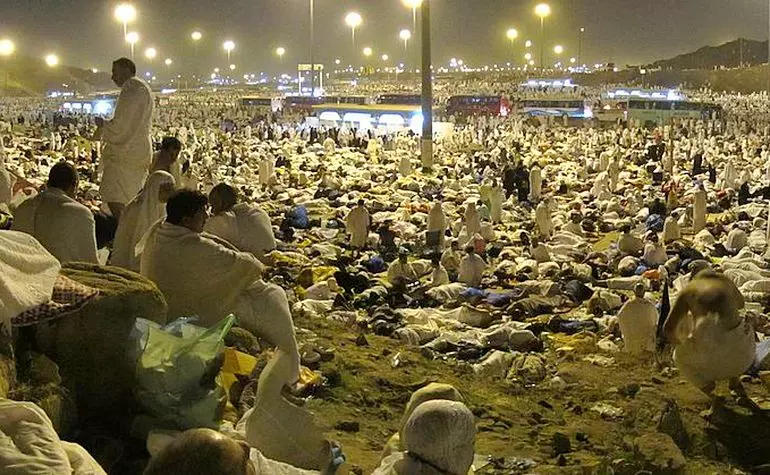
21. Bab Bani Shaybah (Gate 22)
- Location: Eastern side, near Kaaba.
- Historical Significance: The Bani Shaybah family historically held the key to the Kaaba — a sacred trust passed down for generations.
- Spiritual Significance: Represents trust, custodianship, and faithfulness in Islam.
- Practical Tips:
- Provides quick access to Kaaba for Tawaf.
- Less crowded than main gates, ideal for small pilgrim groups.
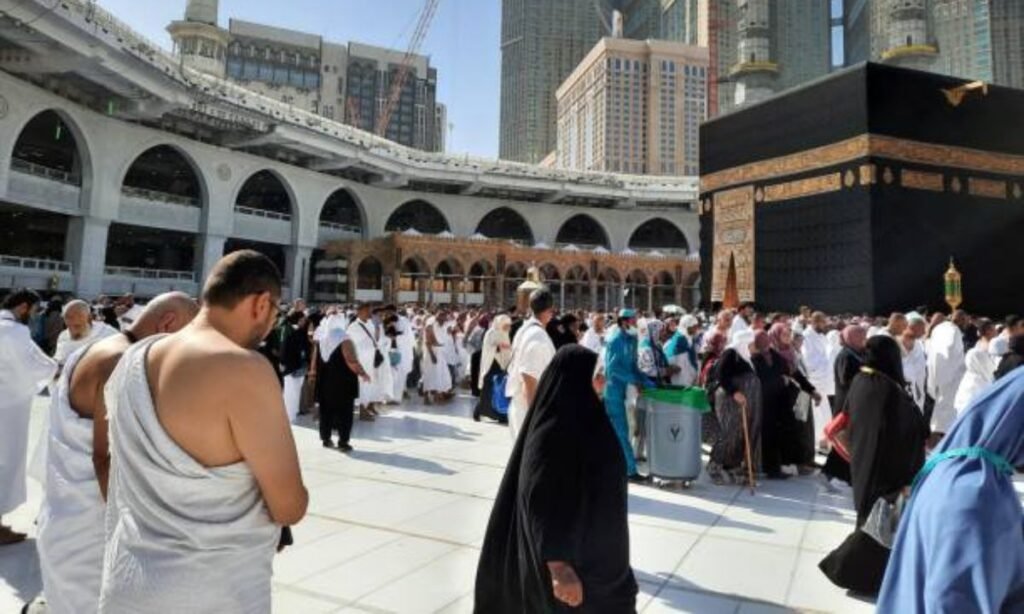
22. Bab Marwah (Gate 23)
- Location: Near Marwah hill, along the Sa’i route.
- Historical Significance: Named after the hill where Hajar (AS) ran in search of water for her son Ismail (AS).
- Spiritual Significance: Allows pilgrims to begin Sa’i rituals, connecting directly to Hajar’s devotion and struggle.
- Practical Tips:
- Highly trafficked during Umrah; arrive early for smoother access.
- Ideal starting point for Sa’i rituals if coming from the eastern side.
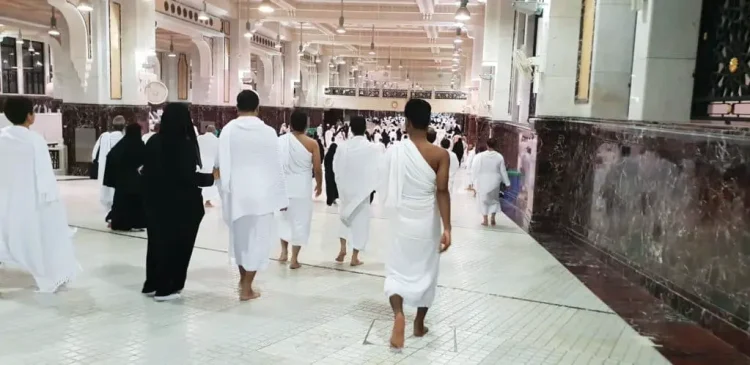
23. Bab Al-Mud’a (Gate 25)
- Location: Northern corridor, close to ablution areas.
- Historical Significance: Linked historically with purification and preparation for prayer.
- Spiritual Significance: Symbolizes purity and readiness to enter a sacred space.
- Practical Tips:
- Leads directly to prayer halls.
- Often less crowded than main gates, making it suitable for quiet entry.
24. Bab Quraysh (Gates 26–27)
- Location: Northern-east side.
- Named After: The Quraysh tribe, the Prophet’s tribe.
- Historical Significance: Represents leadership and Makkah’s early Islamic community.
- Spiritual Significance: Pilgrims connect with the roots of Islam and the Prophet’s heritage.
- Practical Tips:
- Dual gates handle higher pilgrim traffic.
- Useful for groups performing Tawaf.
25. Bab Arafah (Gate 35)
- Location: Eastern corridor facing Mina.
- Historical Significance: Direct connection to Arafah, the most important site during Hajj.
- Spiritual Significance: Entry reminds pilgrims of standing in prayer before Allah at Arafah.
- Practical Tips:
- Mainly used during Hajj to guide pilgrims.
- Helps manage crowd flow to Mina and Arafah.
26. Bab Muzdalifah (Gate 36)
- Location: Eastern corridor, near main mosque entrances.
- Historical Significance: Connects to Muzdalifah, where pilgrims gather overnight during Hajj.
- Spiritual Significance: Represents obedience, preparation, and devotion in performing Hajj rituals.
- Practical Tips:
- Primarily used during Hajj.
- Guides pilgrims toward Mina after Arafah.
27. Bab Al-Fatah (Gate 45)
- Location: Southern-east side.
- Meaning: Gate of Victory.
- Historical Significance: Commemorates the Conquest of Makkah, when the city embraced Islam peacefully.
- Spiritual Significance: Walking through this gate reminds pilgrims of Islamic triumph and spiritual success.
- Practical Tips:
- Access for Tawaf and surrounding prayer areas.
- Less crowded than main entrances, suitable for reflection.
28. Bab Umar Farooq (Gate 49)
- Location: Northern-east corridor.
- Named After: Umar ibn Al-Khattab (RA), the second Caliph of Islam.
- Historical Significance: Symbolizes leadership, justice, and early Islamic governance.
- Spiritual Significance: Walking through this gate connects pilgrims to Islamic justice, courage, and devotion.
- Practical Tips:
- Smooth entry to northern Tawaf areas.
- Ideal for pilgrims interested in Islamic history.
29. Bab Al-Quds (Gate 55)
- Location: Northern corridor, near upper mosque walkways.
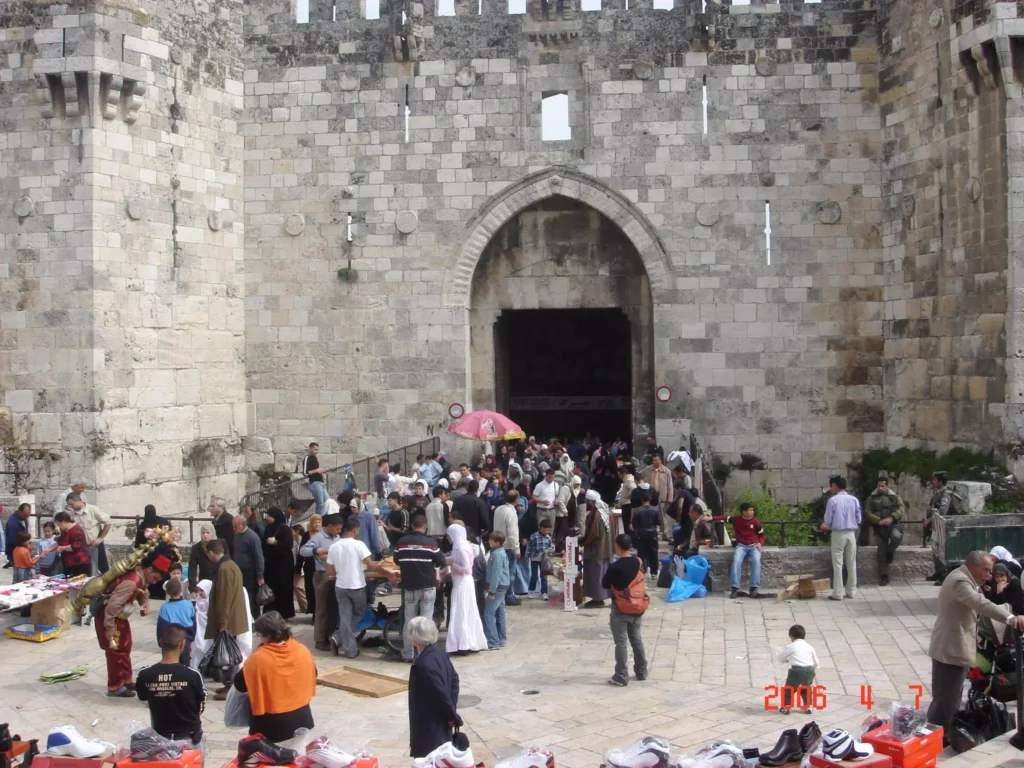
- Named After: Jerusalem (Al-Quds), Islam’s third holiest city.
- Historical Significance: Symbolizes Islam’s connection to other sacred cities and religious continuity.
- Spiritual Significance: Pilgrims feel connected to the broader Islamic world and heritage.
- Practical Tips:
- Provides access for guided groups or educational tours.
- Less crowded, good for reflective prayer before entering central areas.
30. Bab Madinah (Gate 56)
- Location: Northern corridor.
- Named After: Madinah, the city of the Prophet ﷺ.
- Historical Significance: Reminds pilgrims of the Prophet’s migration and the start of the Islamic community there.
- Spiritual Significance: Walking through Bab Madinah connects pilgrims to the life of the Prophet ﷺ and early Islamic history.
- Practical Tips:
- Entry for pilgrims coming from northern areas.
- Often used for organized pilgrim groups or guided visits.
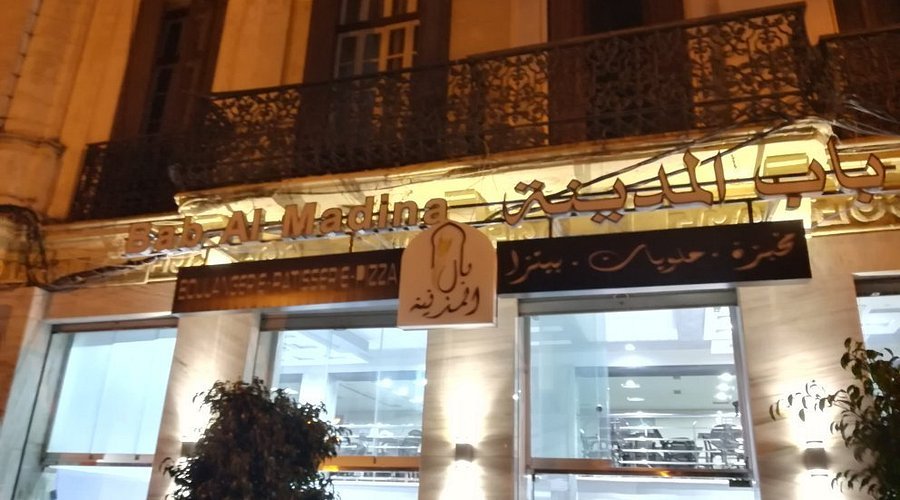
31. Bab Al-Yarmouk (Gate 73)
- Location: Northern corridor of Masjid al-Haram.
- Historical Significance: Named after the Battle of Yarmouk, one of the major early Islamic victories.
- Spiritual Significance: Reminds pilgrims of faith, struggle, and triumph through patience and trust in Allah.
- Practical Tips:
- Used for access to northern Tawaf and prayer areas.
- Ideal for visitors reflecting on Islamic history during their pilgrimage.
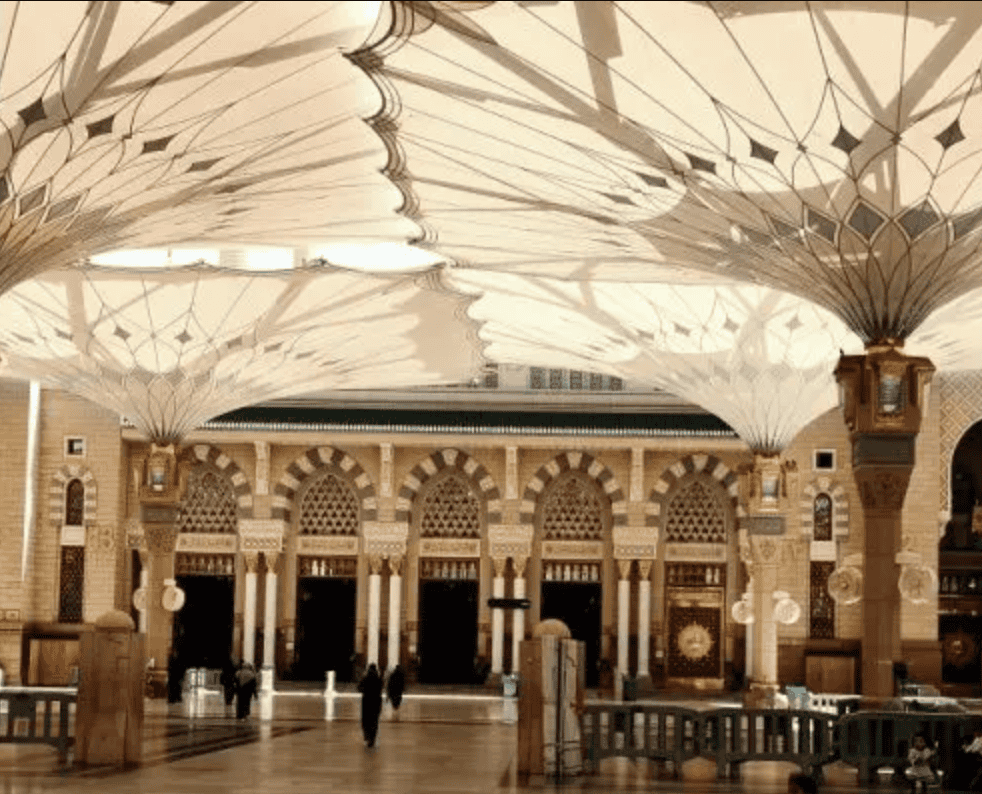
32. Bab Abu Bakr (Gate 74)
- Location: Northern-east side.
- Named After: Abu Bakr As-Siddiq (RA), the first Caliph and closest companion of Prophet Muhammad ﷺ.
- Historical Significance: Symbolizes leadership, piety, and early Islamic guidance.
- Spiritual Significance: Walking through this gate reminds pilgrims of loyalty and devotion to Islam.
- Practical Tips:
- Smooth access to Tawaf and prayer areas.
- Less crowded, ideal for early morning entry.
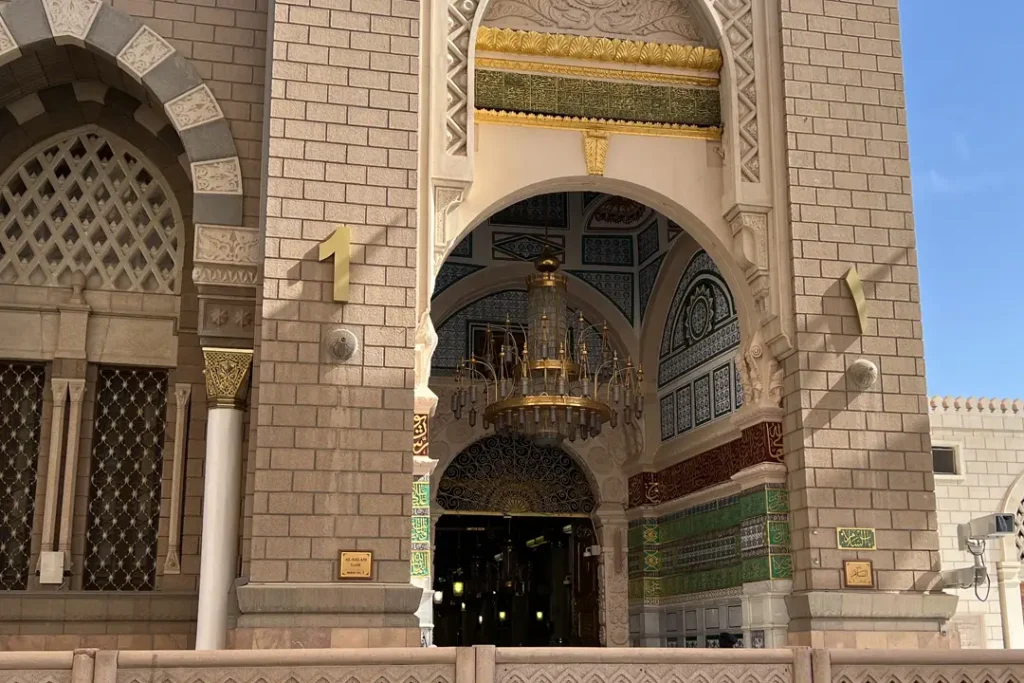
33. Bab King Fahad (Gate 79)
- Location: Southern corridor.
- Named After: King Fahad bin Abdul Aziz, who contributed to the modern expansions of Masjid al-Haram.
- Historical Significance: Represents modern development and Saudi Arabia’s commitment to serving pilgrims.
- Spiritual Significance: Symbolizes unity of faith and infrastructure to support devotion.
- Practical Tips:
- Main entrance for pilgrims from southern hotels.
- Equipped with escalators and ramps for accessibility.
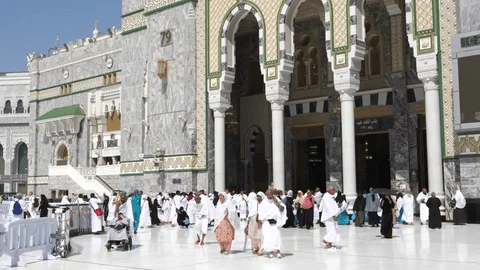
34. Bab Jabir bin Abdullah (Gate 84)
- Location: Eastern side, near the Tawaf corridors.
- Named After: Jabir bin Abdullah (RA), a companion known for his bravery and early Islamic contributions.
- Historical Significance: Highlights the role of companions in spreading Islam.
- Spiritual Significance: Pilgrims are reminded of faith in action and devotion to Allah.
- Practical Tips:
- Ideal for smaller groups performing Tawaf.
- Less crowded and often quieter for reflection.
35. Bab Saeed bin Zaid (Gate 85)
- Location: Eastern corridor.
- Named After: Saeed bin Zaid (RA), one of the ten companions promised Paradise.
- Historical Significance: Recognizes the dedication and piety of the Prophet’s companions.
- Spiritual Significance: Entry symbolizes commitment, faith, and moral excellence.
- Practical Tips:
- Smooth access to Kaaba area.
- Often used by guided pilgrim groups.
36. Bab Umm Hani (Gate 87)
- Location: Eastern side.
- Named After: Umm Hani (RA), cousin of the Prophet ﷺ and a respected figure in early Islam.
- Historical Significance: Honoring women who contributed to the early Muslim community.
- Spiritual Significance: Highlights the role of women in Islamic history.
- Practical Tips:
- Less crowded entrance, suitable for quiet pilgrims.
- Close to prayer halls and ablution facilities.
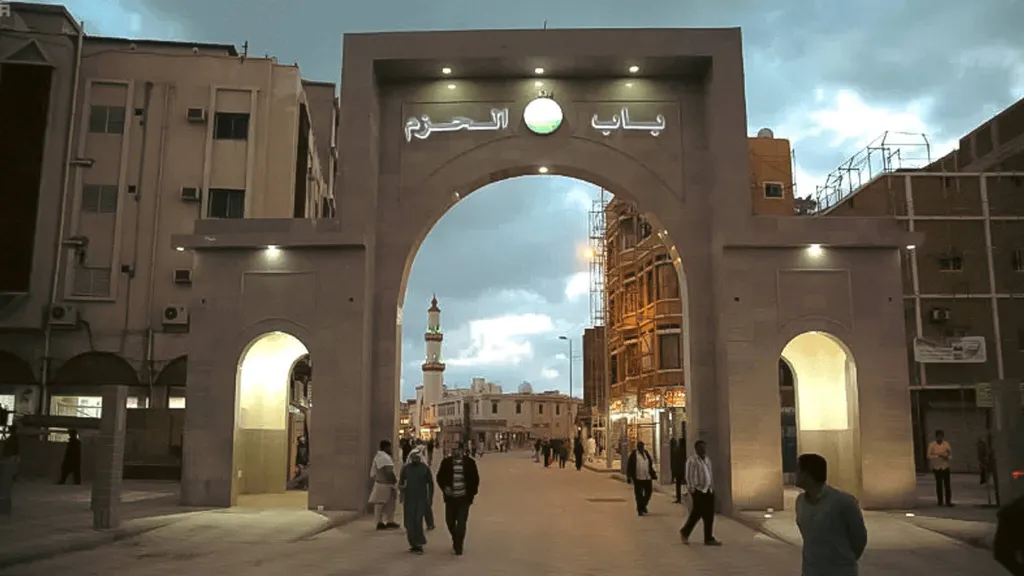
37. Bab Maimoonah (Gate 88)
- Location: Eastern corridor.
- Named After: Maimoonah (RA), one of the Prophet’s wives.
- Historical Significance: Represents support and guidance in early Islam.
- Spiritual Significance: Symbolizes family, devotion, and guidance in faith.
- Practical Tips:
- Provides direct access to Tawaf areas.
- Less crowded, ideal for peaceful reflection.
38. Bab Al-Hijlah (Gate 89)
- Location: Northern corridor.
- Historical Significance: Traditionally used for women and pilgrims entering for prayer in segregated areas.
- Spiritual Significance: Represents accessibility and inclusivity in worship.
- Practical Tips:
- Used by local and female pilgrims.
- Leads to quieter prayer areas.
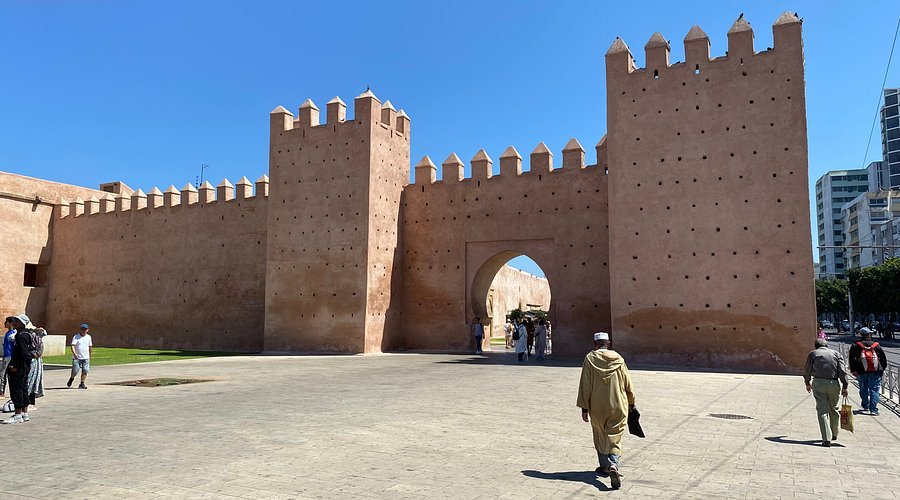
39. Bab Hafsa (Gate 90)
- Location: Northern-east corridor.
- Named After: Hafsa bint Umar (RA), wife of the Prophet ﷺ and daughter of Umar ibn Al-Khattab (RA).
- Historical Significance: Honoring early Islamic women who contributed to the community.
- Spiritual Significance: Highlights wisdom, devotion, and family values in Islam.
- Practical Tips:
- Ideal for quiet entry to northern prayer halls.
- Less crowded than main gates, suitable for reflection.
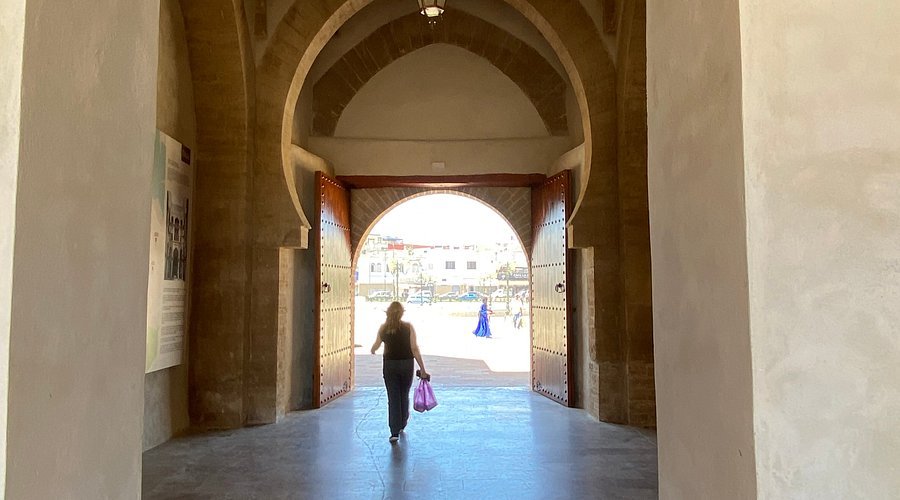
40. Bab Khadijah (Gate 93)
- Location: Eastern corridor near central prayer areas.
- Named After: Khadijah (RA), the first wife of the Prophet ﷺ and the first believer in Islam.
- Historical Significance: Symbolizes unwavering support and faith in the Prophet ﷺ.
- Spiritual Significance: Entry through this gate reminds pilgrims of devotion, trust, and spiritual strength.
- Practical Tips:
- Leads directly to Kaaba and central Tawaf areas.
- Ideal for pilgrims seeking spiritual inspiration from Khadijah’s life.
41. Bab Ibrahim (Gate 94)
- Location: Eastern corridor near Kaaba.
- Named After: Prophet Ibrahim (AS), builder of the Kaaba with his son Ismail (AS).
- Historical Significance: Highlights Prophet Ibrahim’s obedience, faith, and legacy.
- Spiritual Significance: Walking through this gate symbolizes spiritual foundation and submission to Allah.
- Practical Tips:
- Smooth access to Kaaba for Tawaf and prayers.
- Less crowded than main entrances.
42. King Abdullah Gate (Gate 100)
- Location: Southern corridor.
- Named After: King Abdullah bin Abdul Aziz, recognized for major expansions of Masjid al-Haram.
- Historical Significance: Represents modern development and service to millions of pilgrims.
- Spiritual Significance: Entry symbolizes unity, devotion, and continuity of Islamic heritage.
- Practical Tips:
- One of the largest gates, suitable for huge crowds during Hajj.
- Equipped with ramps, escalators, and safety features for all pilgrims.
Final Thoughts
The gates of Masjid al-Haram are not just doors — they are gateways to history, faith, and devotion. Every entrance carries a story that connects modern pilgrims to the time of the Prophet ﷺ and beyond.Understanding these gates enhances your spiritual journey, helps with navigation, and deepens your appreciation of Islam’s holiest place.

