

Ramadan in Saudi Arabia is a deeply spiritual and culturally rich time. As the birthplace of Islam and home to Makkah and Madinah, the Kingdom observes Ramadan with great respect, discipline, and community spirit. During this holy month, daily life changes noticeably, and certain rules are followed to honor those who are fasting and worshipping.
Whether you are a resident, expat, or traveller, understanding Ramadan rules in Saudi Arabia will help you enjoy the month respectfully and comfortably.
Why Ramadan Rules Matter in Saudi Arabia
Ramadan is not just about fasting from food and drink. It is a time for:
- Spiritual reflection
- Increased worship
- Charity and generosity
- Self-discipline and patience
Saudi Arabia takes these values seriously. The rules are designed to maintain respect, order, and a peaceful environment for everyone observing the fast.
Fasting Rules During Ramadan
Who fasts?
- All healthy adult Muslims fast from dawn (Fajr) to sunset (Maghrib).
- Children, elderly people, pregnant women, and the sick are exempt.
What fasting includes
During fasting hours, Muslims must abstain from:
- Eating and drinking
- Smoking
- Bad language or behavior
For visitors and non-Muslims, fasting is not mandatory, but respect is expected.
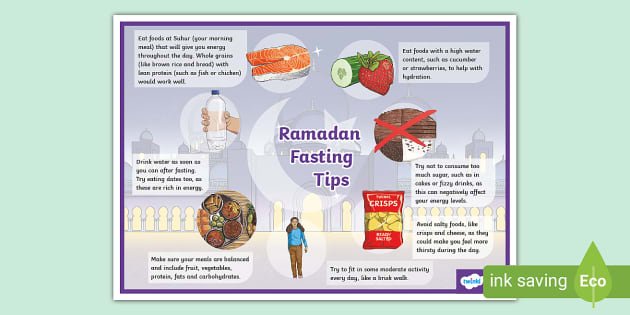
Eating and Drinking in Public
One of the most important Ramadan rules in Saudi Arabia:
- Eating, drinking, or smoking in public during daylight hours is discouraged
- This applies to streets, malls, offices, and public transport
- Most restaurants remain closed until sunset
What about non-Muslims?
- Hotels and some international restaurants discreetly serve food during the day
- You can eat privately without issue
- Being respectful is enough — enforcement is generally polite and relaxed
Working Hours During Ramadan
Ramadan significantly changes daily schedules across the Kingdom.
Government offices
- Usually operate shorter hours, often from 10:00 AM to 3:00 PM
Private sector
- Reduced working hours (around 5–6 hours per day)
- Some businesses start later in the day
Tip for visitors
Always check official timings in advance, especially if you need to visit banks, offices, or service centers.
Prayer and Mosque Rules
Mosques play a central role during Ramadan.
Key rules include:
- Strict adherence to official prayer timings
- Taraweeh prayers held every night after Isha
- Tahajjud prayers during the last 10 nights
- No filming or live broadcasting of prayers
- Quiet, respectful behavior inside mosques
Some mosques require registration for I‘tikaf (staying in the mosque for worship during the last days of Ramadan).
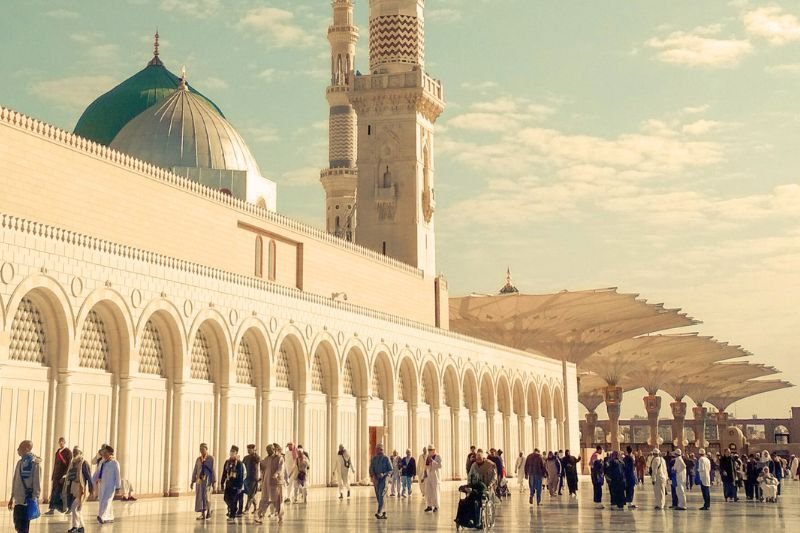
Dress Code During Ramadan
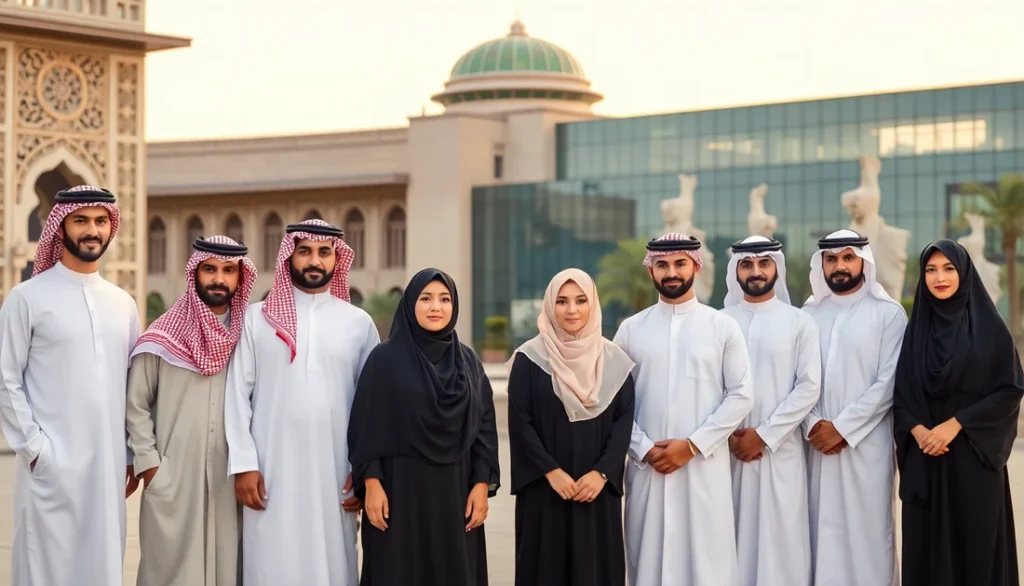
Saudi Arabia already promotes modest dressing, and this becomes more important during Ramadan.
Recommended clothing
- Shoulders and knees covered
- Loose, modest outfits
- Avoid transparent or tight clothing
This applies to both men and women, especially in public places, malls, and mosques.
Behavior and Etiquette Rules
During Ramadan, respectful behavior is essential.
DO:
- Greet people with “Ramadan Mubarak” or “Ramadan Kareem”
- Speak politely and calmly
- Be patient — people may be fasting and tired
- Respect prayer times
DON’T:
- Play loud music in public
- Engage in public displays of affection
- Photograph people without permission
- Argue or behave aggressively
Restaurants, Malls, and Shopping Rules
Daytime
- Many restaurants closed for dine-in
- Streets are quieter
- Slower pace of life
Nighttime
- Cities come alive after Iftar
- Malls, cafes, and markets stay open late (sometimes until 2–4 AM)
- Night markets and food stalls are common
Food delivery apps continue operating, but expect delays around Iftar time due to high demand.
Charity and Donations Rules
Charity is a big part of Ramadan, but it is regulated.
- Cash collection inside mosques is usually not allowed
- Organized charity programs are encouraged
- Giving food to the needy is common and highly appreciated
Many people distribute free Iftar meals in approved areas.
Travel and Tourism During Ramadan
Tourists are welcome in Saudi Arabia during Ramadan.
Things to remember:
- Some attractions may have adjusted hours
- Daytime activities are limited
- Nighttime experiences are richer and more cultural
- Ramadan offers a more authentic view of Saudi life
Eid Al-Fitr Rules and Celebrations
Ramadan ends with Eid Al-Fitr, a national celebration.
- Public holidays are announced
- Fireworks, family gatherings, and feasts take place
- Shopping and entertainment peak
- Cities feel festive and joyful
Final Thoughts
Ramadan in Saudi Arabia is a time of peace, generosity, and reflection. The rules are not meant to restrict visitors but to preserve the sacred atmosphere of the month. With basic respect, awareness, and cultural sensitivity, anyone can enjoy this special time in the Kingdom.
Whether you are fasting or not, Ramadan offers a unique opportunity to experience Saudi Arabia at its most spiritual and welcoming.
Ramadan Kareem 🌙

