
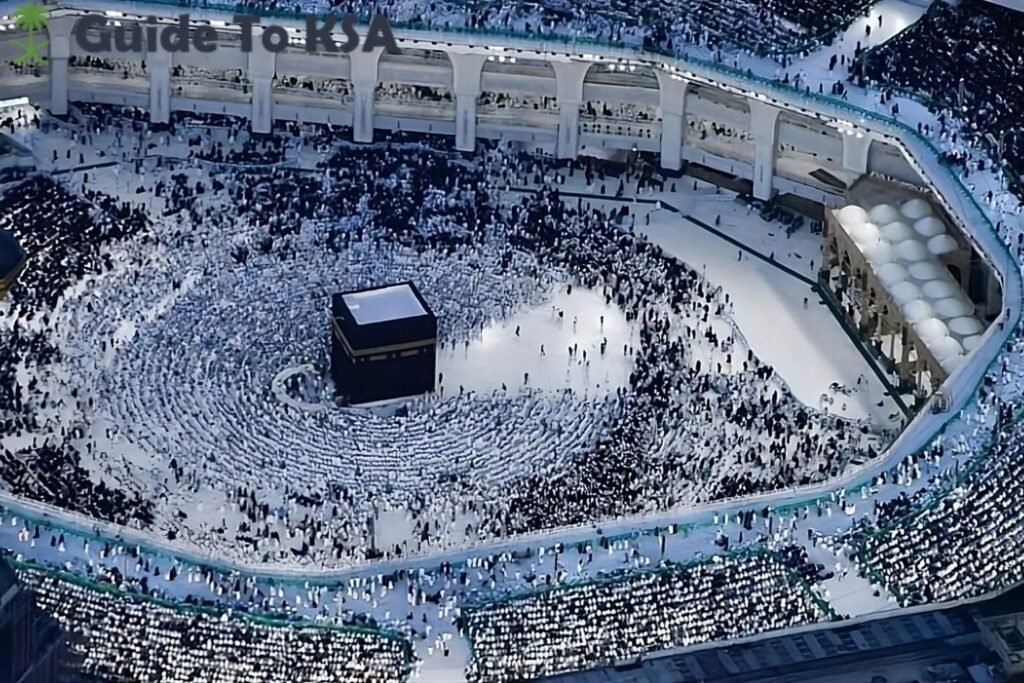
Ramadan is the most spiritually uplifting month for Muslims across the globe, and Taraweeh Prayers in Masjid al-Haram carry a deeply special meaning for millions of believers. These voluntary night prayers, performed only during Ramadan, strengthen faith and create a powerful sense of unity among worshippers. While Taraweeh is offered in mosques worldwide, experiencing it at the Grand Mosque in Makkah is truly unmatched. The atmosphere, the recitation of the Qur’an, and the sight of thousands praying together around the Kaaba make it an unforgettable spiritual journey. Here’s what makes these prayers so extraordinary and what you can expect when attending them.
1. A Unique Spiritual Atmosphere
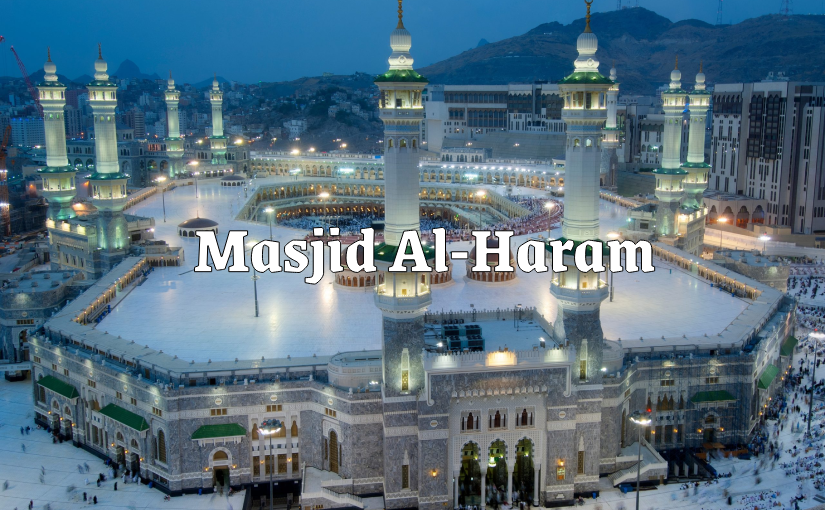
The Grand Mosque is Islam’s holiest site, housing the Kaaba, the direction (qibla) toward which Muslims pray worldwide. During Ramadan, Masjid al-Haram transforms into a hub of devotion:
- Thousands of worshippers gather nightly, filling the mosque, courtyards, and surrounding streets.
- The air resonates with the recitation of the Quran by highly trained imams.
- Pilgrims feel a deep sense of unity, standing shoulder to shoulder in prayer with believers from all over the globe.
This environment creates an unmatched spiritual energy that inspires focus, humility, and reflection.
2. Taraweeh Format at Masjid al-Haram
Traditionally, Taraweeh prayers vary in the number of rakaat (units of prayer) across the world. At Masjid al-Haram:
- Taraweeh is typically performed in 10 rakaat, followed by 3 rakaat of Witr, which concludes the night prayer.
- Each rakaat is accompanied by a melodious Quranic recitation, often completed over the course of Ramadan.
- During the last ten nights of Ramadan, worshippers also engage in Qiyam al-Layl (night prayer) to maximize spiritual reward.
The combination of precise organization and devotion allows worshippers to perform their prayers comfortably, even during the busiest nights.
3. Organization and Crowd Management
With millions visiting during Ramadan, Masjid al-Haram’s management ensures a smooth and safe experience:
- Extensive volunteer and staff support: Around 11,000 workers manage crowd flow, cleaning, and safety.
- Clearly marked prayer areas: Worshippers are guided to organized zones, ensuring even spacing and smooth movement.
- Multiple entrances and exits: Access points are carefully controlled to prevent overcrowding.
- Multilingual announcements: Helpful updates are broadcast in several languages to guide international pilgrims.
This organization allows pilgrims to focus on prayer rather than logistics, even during peak nights like Fridays or the 27th night.
4. The Role of Imams and Quranic Recitation
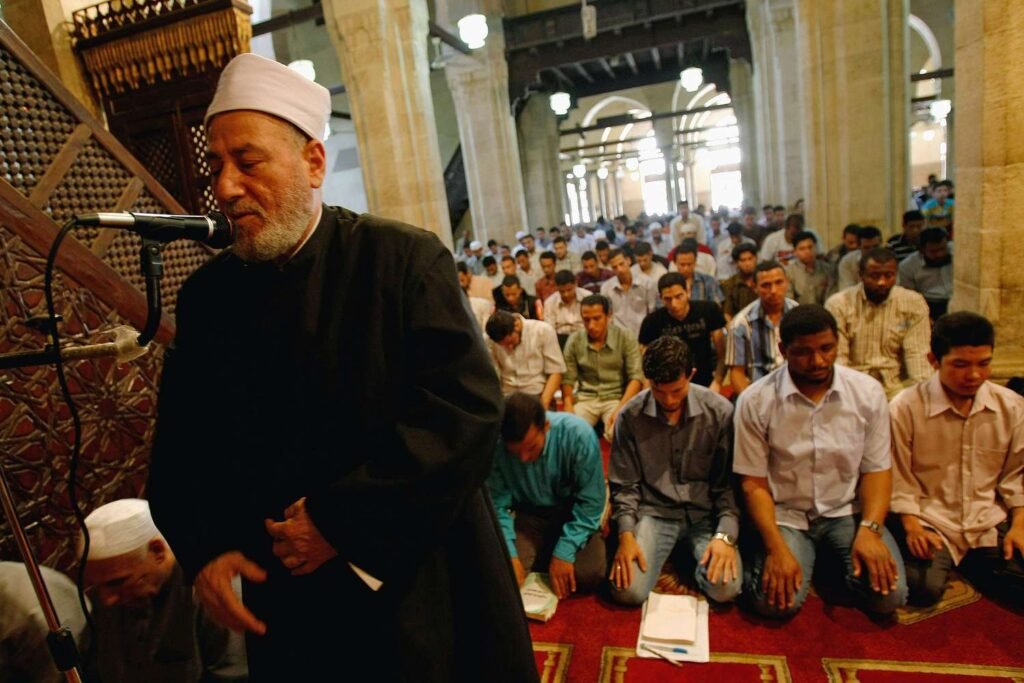
Masjid al-Haram is renowned for its exceptional reciters. The imams leading Taraweeh play a vital role in creating the spiritual ambiance:
- Their clear, melodic recitation allows worshippers to follow along, even if they do not understand every word.
- Broadcasts of these prayers reach millions worldwide, allowing non-pilgrims to join virtually.
- Pilgrims can engage in silent reflection, following the imam’s pace for maximum spiritual benefit.
This blend of leadership, melody, and spiritual environment is unmatched in most mosques around the world.
5. Practical Tips for Attending Taraweeh in Masjid al-Haram
For first-time visitors, understanding the flow can enhance the experience:
- Arrive early: On regular nights, 60–90 minutes before Isha is ideal. On peak nights, 2–3 hours is recommended.
- Bring essentials: Small prayer mat, water bottle, miswak, and minimal belongings.
- Follow staff guidance: Volunteers direct worshippers to available zones—cooperation ensures safety.
- Rest when needed: Standing for long periods can be tiring; sitting between sets is allowed while maintaining decorum.
- Women-specific areas: Well-organized zones with shaded sections and facilities make it easier for women pilgrims.
Planning ahead ensures you can focus fully on worship without distractions.
6. What Makes Masjid al-Haram Special Beyond Prayer
Beyond the physical prayer, Taraweeh at Masjid al-Haram carries immense spiritual significance:
- Proximity to the Kaaba: Worshippers experience a direct connection to Islam’s most sacred site.
- Historical significance: The mosque has hosted generations of pilgrims and worshippers, adding a deep sense of continuity and reverence.
- Global unity: Muslims from dozens of countries stand together in prayer, creating a profound sense of brotherhood and sisterhood.
- Enhanced spiritual reward: Many scholars note that worship at Masjid al-Haram carries multiplied blessings during Ramadan.
This makes each night of Taraweeh a deeply transformative spiritual experience.
7. Final Thoughts
Taraweeh prayers in Masjid al-Haram are far more than just night prayers—they are a journey of the soul, a chance to connect with the divine, and an opportunity to be part of a global community of believers. From the harmonious Quran recitations to the meticulous organization, every aspect of the Grand Mosque during Ramadan is designed to elevate the spiritual experience.
For Muslims fortunate enough to attend, Taraweeh at Masjid al-Haram is a memory and a blessing that stays with them long after Ramadan ends.
Key Takeaway: Taraweeh at Masjid al-Haram combines devotion, organization, and spiritual energy like nowhere else, offering an experience that is both humbling and transformative.

