
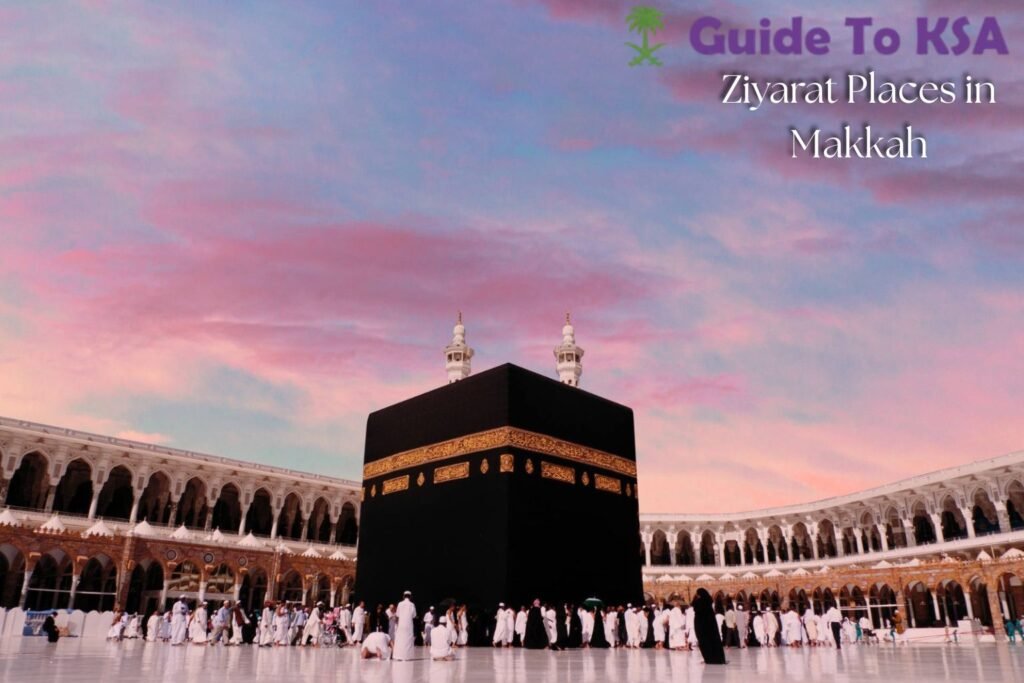
Makkah is not only the birthplace of Islam — it is the heartbeat of the Muslim world. Every street, mountain, mosque, and valley carries memories of prophets, companions, miracles, struggles, and divine revelations. Performing ziyarat (visiting sacred sites) in Makkah allows pilgrims to connect deeply with Islamic history while strengthening their spiritual journey during Hajj or Umrah.
Below is a complete and engaging guide to 24 important ziyarat places in Makkah, including their locations, historical background, and spiritual importance.
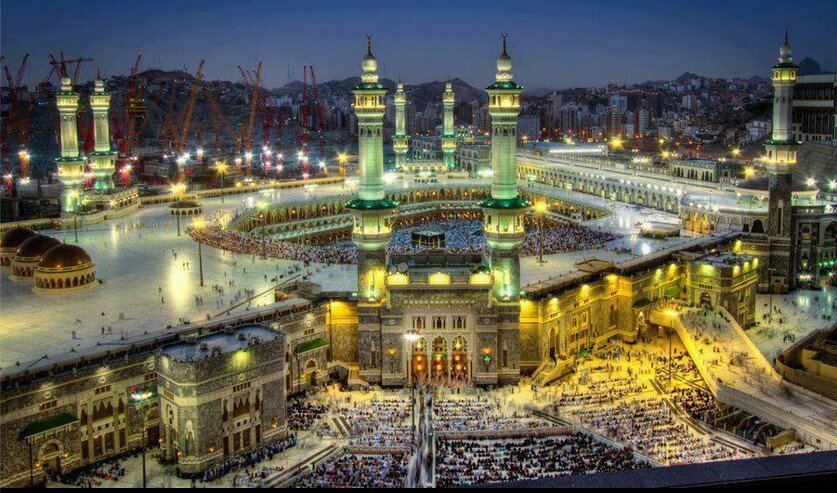
1. Masjid Al-Haram
📍 Location: Central Makkah
Masjid Al-Haram is the holiest mosque on Earth and the center of the Islamic universe. Inside lies the Kaaba, the Qiblah for Muslims worldwide. Millions of pilgrims gather here daily to perform Tawaf, Salah, and supplication.
This sacred mosque also contains:
- Maqam Ibrahim
- Zamzam Well
- Safa and Marwa hills
- Hajar al-Aswad (Black Stone)
Every prayer offered here carries multiplied reward. Standing inside Masjid Al-Haram is a moment where the heart feels closest to Allah.
2. Masjid Aisha (Masjid Al-Taneem)
📍 Location: 7 km north of Masjid Al-Haram
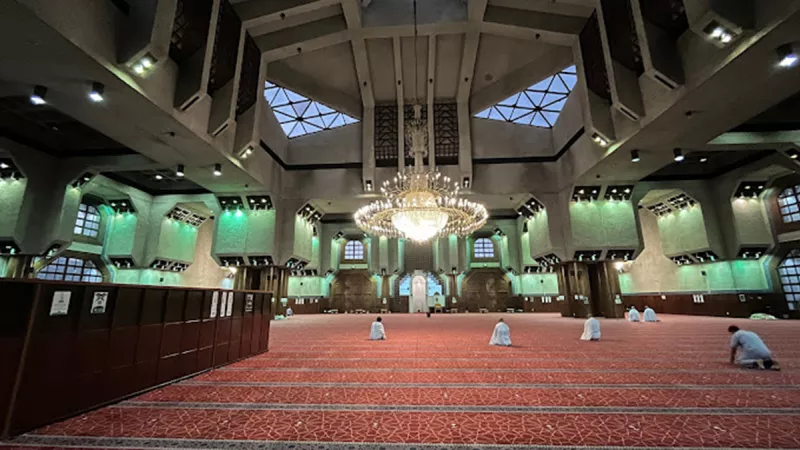
Masjid Aisha serves as the Miqat boundary for residents of Makkah and pilgrims staying inside the Haram area who want to perform Umrah again.
Named after Hazrat Aisha (RA), this mosque allows pilgrims to enter Ihram conveniently. It is spacious, air-conditioned, and well-organized, making it a popular stop for Umrah travelers.
3. Jannat Al-Mualla Cemetery
📍 Location: North of Masjid Al-Haram
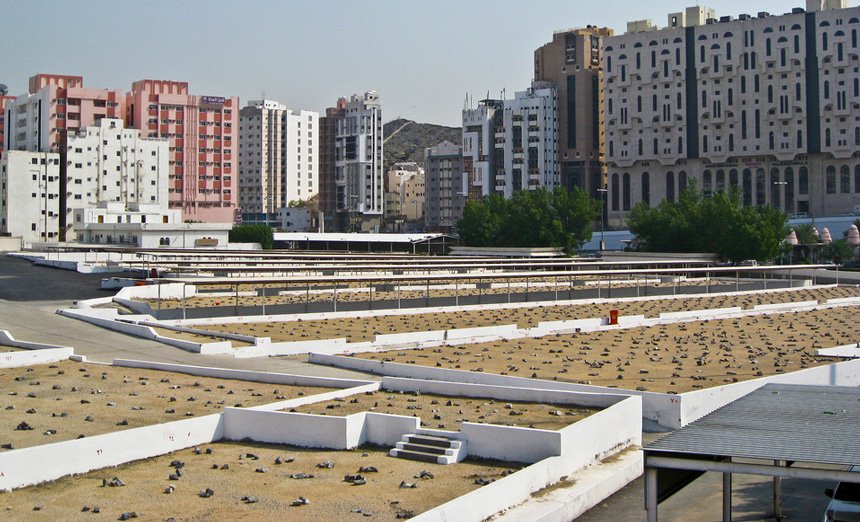
Jannat Al-Mualla is one of the oldest Islamic graveyards. It holds the graves of many companions and family members of Prophet Muhammad ﷺ including:
- Hazrat Khadijah (RA)
- Abdul Muttalib (Prophet’s grandfather)
Visiting this cemetery reminds pilgrims of humility, mortality, and the sacrifices made during early Islam.
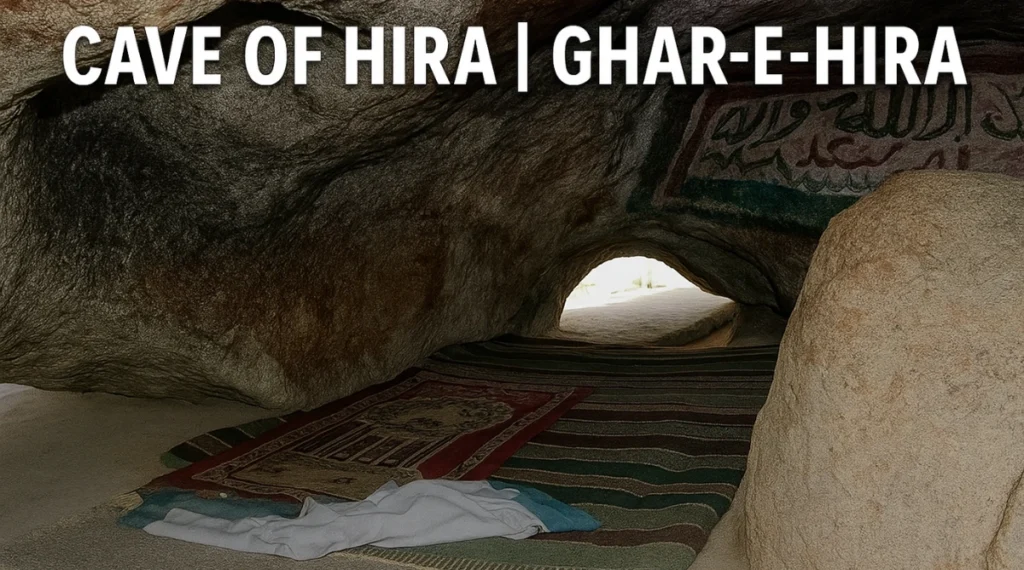
4. Cave of Hira (Ghar Hira)
📍 Location: Jabal Al-Noor, 3 km from Haram
The Cave of Hira is one of the most powerful historical locations in Islam. It is here that Angel Jibreel revealed the first verses of the Quran to Prophet Muhammad ﷺ.
The climb to this cave is challenging but emotionally rewarding. Standing inside reminds pilgrims of the moment when divine guidance reached humanity.
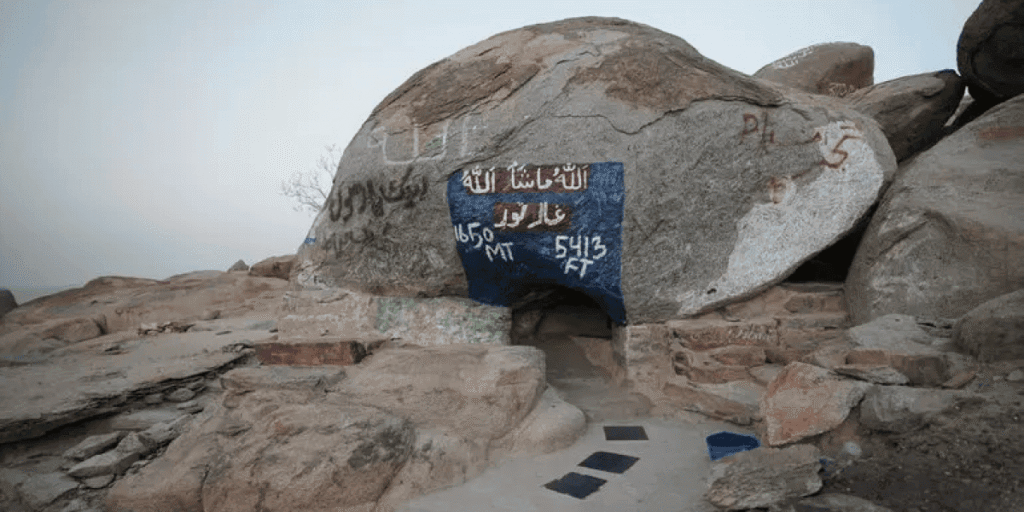
🪨 5. Cave of Thawr (Ghar Thawr)
📍 Location: South of Makkah
During the Hijrah journey to Madinah, Prophet Muhammad ﷺ and Abu Bakr (RA) sought refuge in this cave. Allah protected them with a spider’s web and bird nest at the entrance, misleading their enemies.
This cave represents faith, patience, and divine protection.
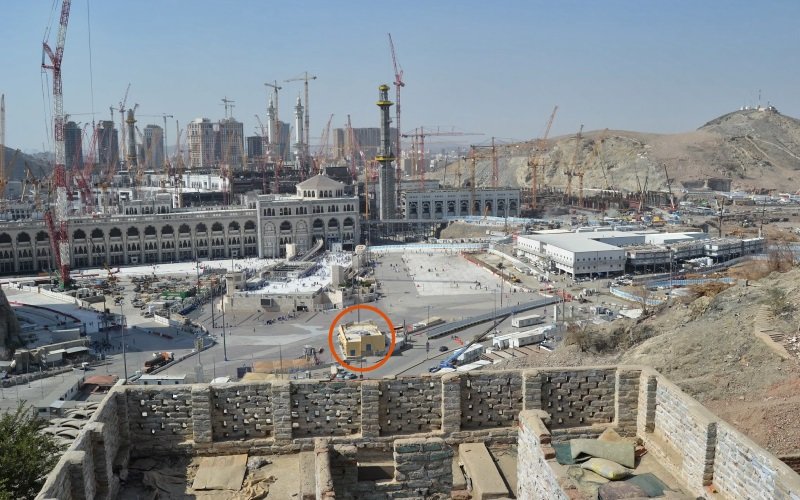
6. Birthplace of Prophet Muhammad ﷺ
📍 Location: Near Masjid Al-Haram (now Makkah Library)
This is believed to be the birthplace of Prophet Muhammad ﷺ. Today, the site functions as a library, preserving the historical importance respectfully.
For many visitors, standing here creates deep emotional reflection on the beginnings of Islam.
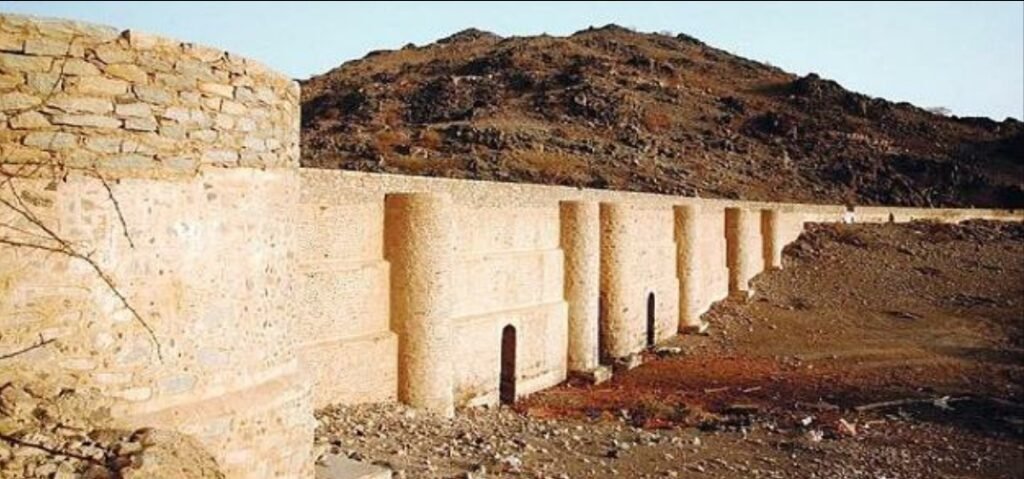
7. Zubaida Canal
📍 Location: Between Makkah and Arafat
Built by Queen Zubaida (wife of Caliph Harun Al-Rashid), this canal system supplied water to pilgrims over 1,000 years ago.
It represents Islamic civilization’s commitment to serving pilgrims and supporting Hajj infrastructure.
8. Masjid Jinn
📍 Location: Near Jannat Al-Mualla
This mosque marks the place where a group of jinn listened to Prophet Muhammad ﷺ reciting the Quran and accepted Islam.
It reminds believers that Islam is a message for all creations — visible and invisible.
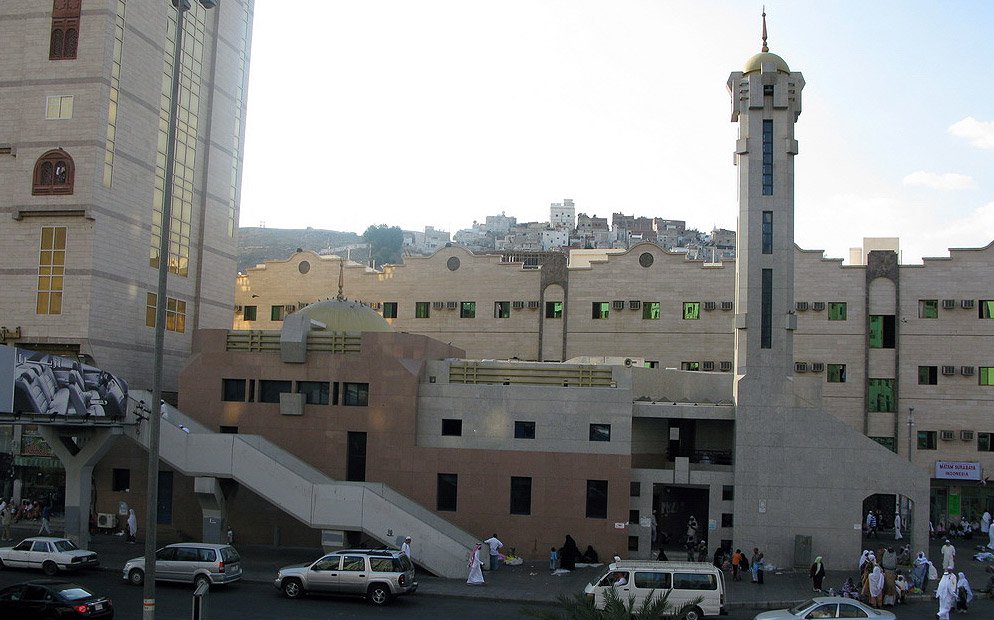
9. Bilal Bin Rabah Mosque
📍 Location: Central Makkah
This mosque stands where the home of Bilal (RA) once existed — Islam’s first official Mu’azzin.
Bilal’s story represents equality, perseverance, and devotion. His voice was the first to call Muslims to prayer publicly.
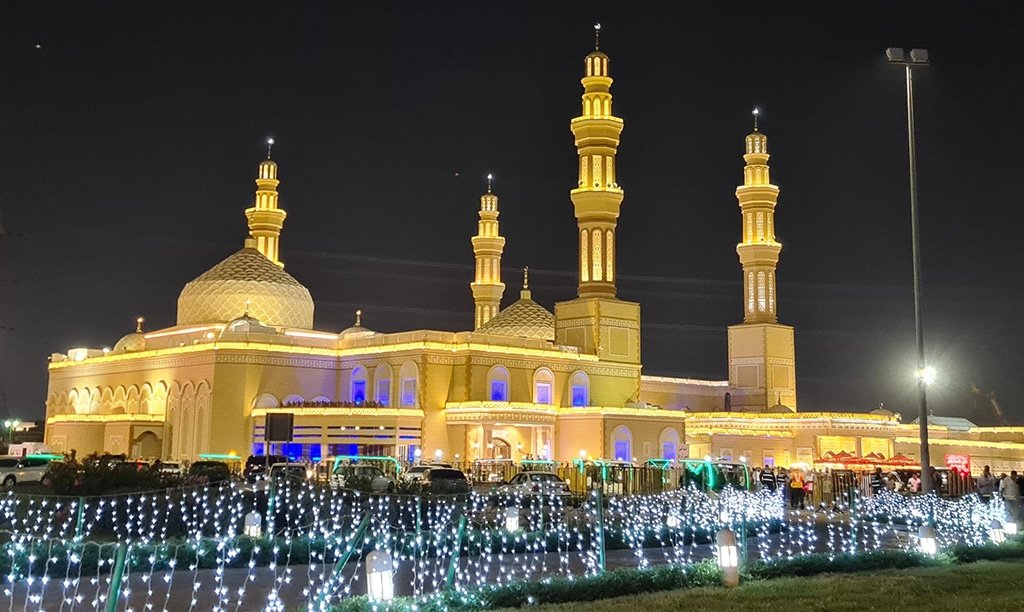
10. Mount Abu Qubais
📍 Location: East of Masjid Al-Haram
This mountain is associated with the miracle of the moon splitting, witnessed by Quraysh. Islamic tradition also links it with Prophet Adam (AS).
It offers panoramic views of Makkah and strong historical symbolism.
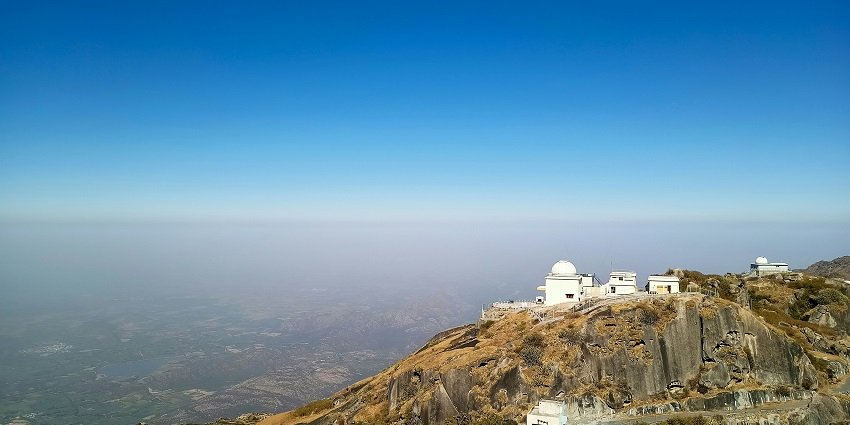
11. Masjid Al-Khayf
📍 Location: Mina Valley
Masjid Al-Khayf is believed to be a place where 70 prophets prayed. During Hajj, pilgrims pass near this mosque while staying in Mina.
It carries deep prophetic legacy and spiritual connection.
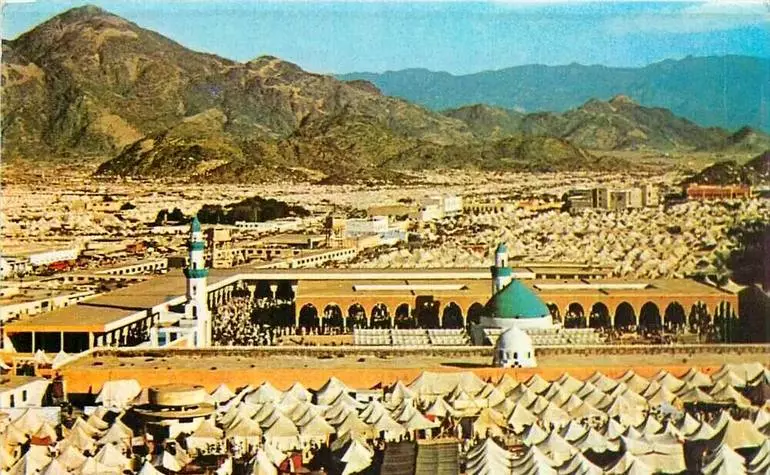
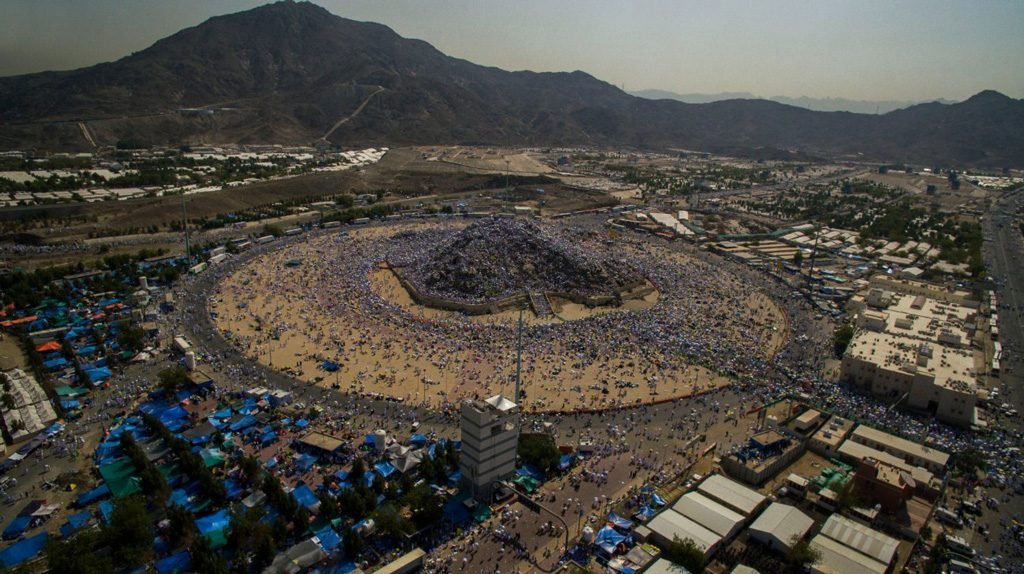
12. Jabal Rahma (Mount of Mercy)
📍 Location: Arafat Plain, 20 km southeast of Makkah
Jabal Rahma is where Prophet Adam (AS) and Hawwa reunited after repentance. It is also near the place where Prophet Muhammad ﷺ delivered his Farewell Sermon.
Standing here during Hajj symbolizes forgiveness, mercy, and renewal of faith.
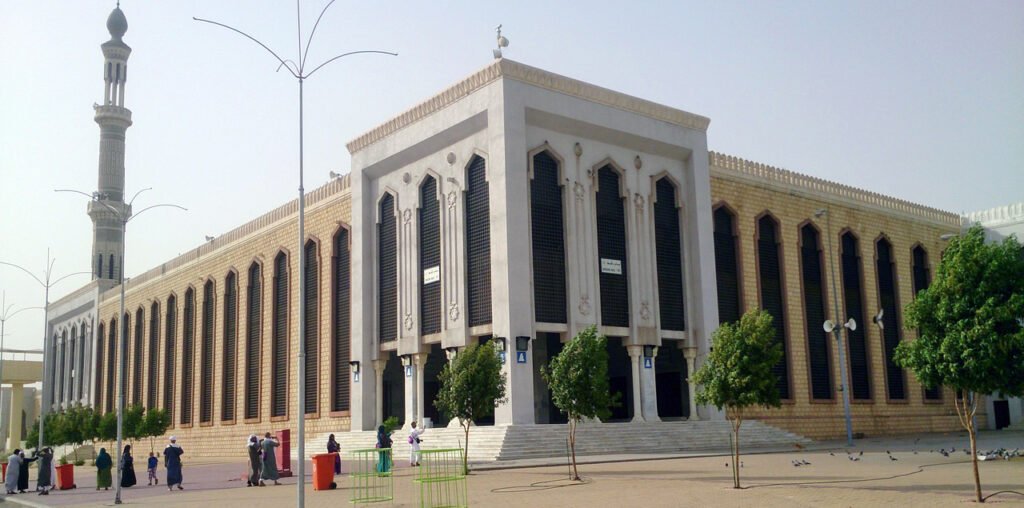
13. Masjid Nimra
📍 Location: Arafat
Masjid Nimra marks the location where the Prophet ﷺ delivered his final sermon. This sermon emphasized equality, justice, women’s rights, and unity of Muslims.
Pilgrims pray Dhuhr and Asr here on the Day of Arafah.
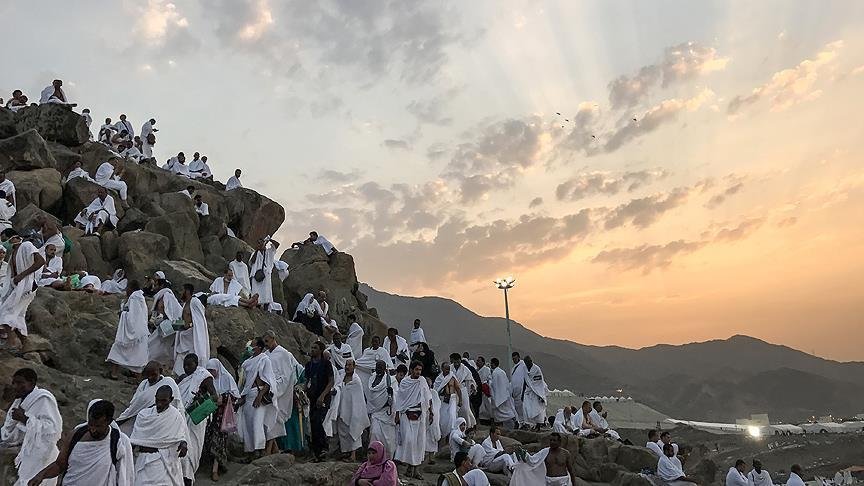
14. Muzdalifah
📍 Location: Between Arafat and Mina
Muzdalifah is where pilgrims spend the night under open skies and collect pebbles for Jamarat ritual.
It teaches simplicity, patience, and spiritual discipline.
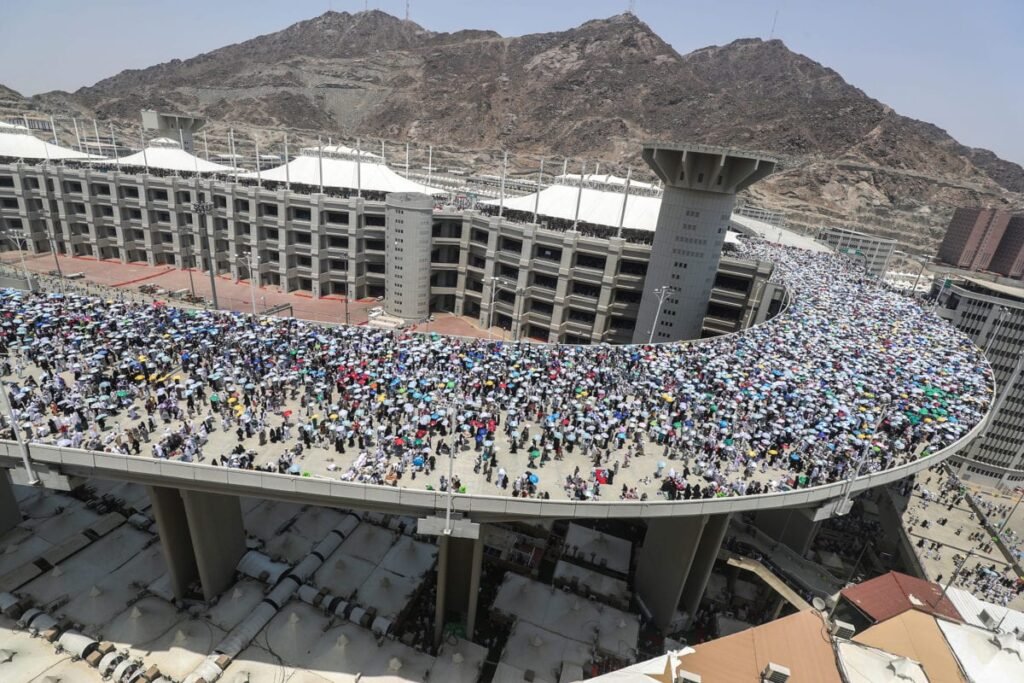
🪨 15. Jamarat (Stoning Area)
📍 Location: Mina
Pilgrims throw stones at three pillars representing Shaytan. This ritual symbolizes rejection of evil, temptation, and negative desires.
The modern Jamarat complex ensures safety while preserving religious significance.
16. Grave of Sayyidah Maymuna (RA)
📍 Location: Sarif area, 20 km from Makkah
Sayyidah Maymuna (RA), wife of Prophet ﷺ, is buried here. She was known for generosity and piety.
Many pilgrims visit her grave to honor her contributions.
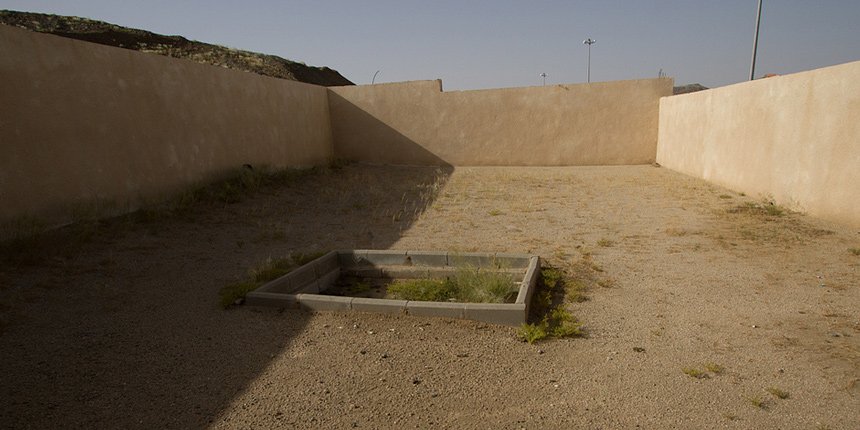
17. Masjid Hudaibiyah
📍 Location: Western outskirts of Makkah
This mosque marks the location of the historic Treaty of Hudaibiyah, which became a turning point for Islamic expansion through peace.
It teaches wisdom, diplomacy, and long-term vision.
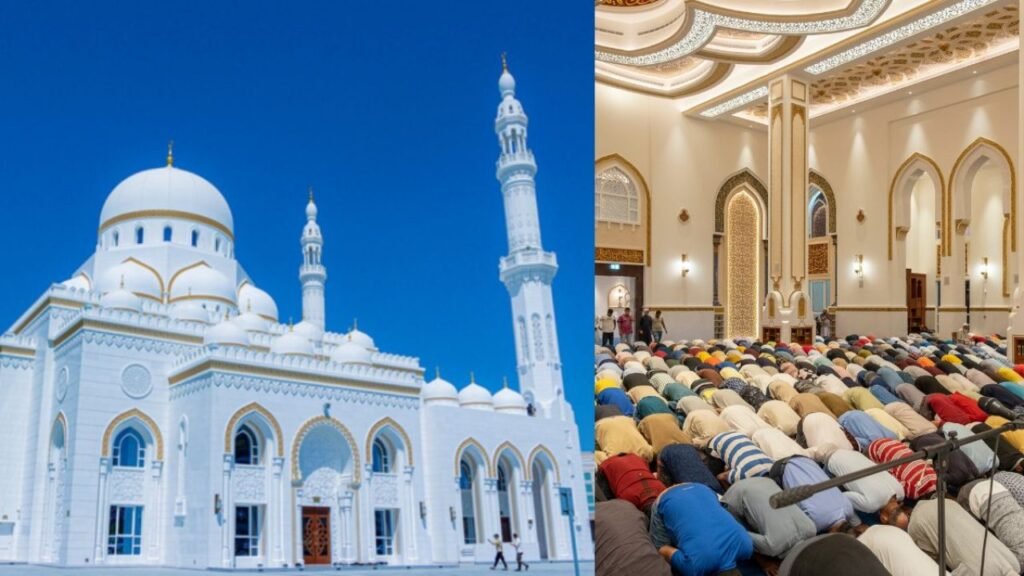
18. Al-Shabeka Graveyard
📍 Location: Old Makkah district
This ancient burial site is linked with early Islamic martyrs including Sumayyah (RA) — the first female martyr in Islam.
Her story inspires courage and faith under persecution.
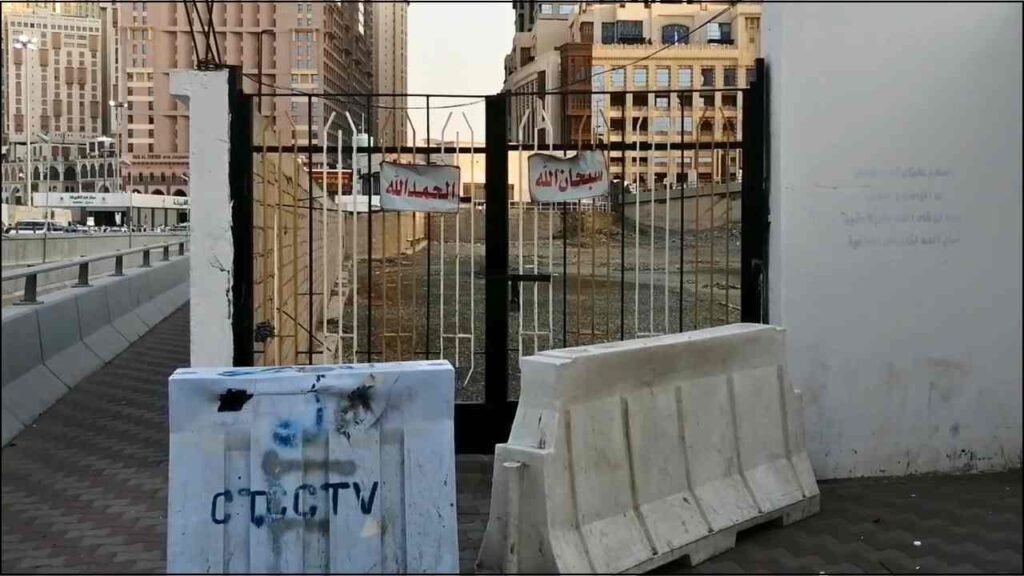
19. Tuwa Well
📍 Location: Near Thawr area
Prophet Muhammad ﷺ rested and performed ablution here during his return to Makkah after Hijrah.
It reflects humility and preparation before entering the sacred city.
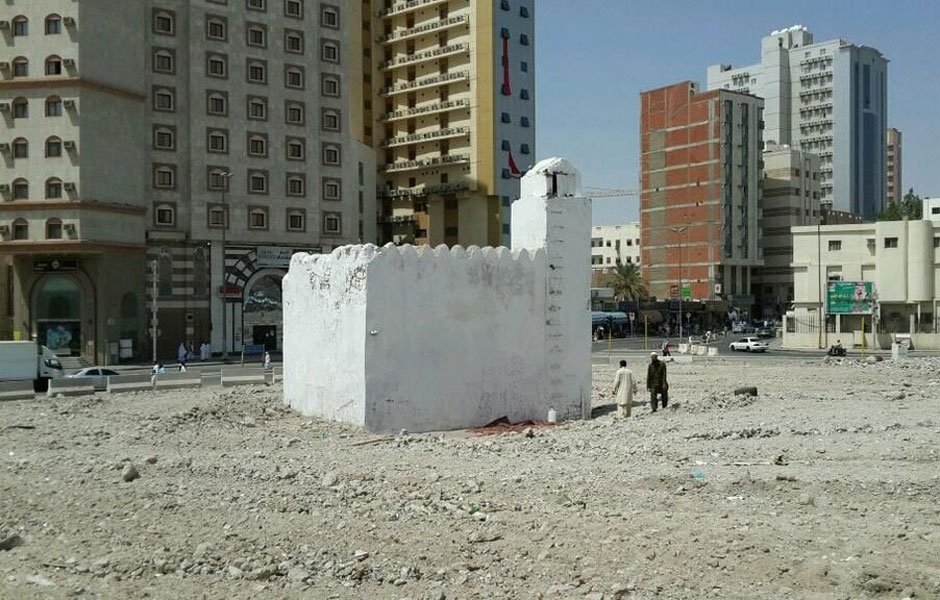
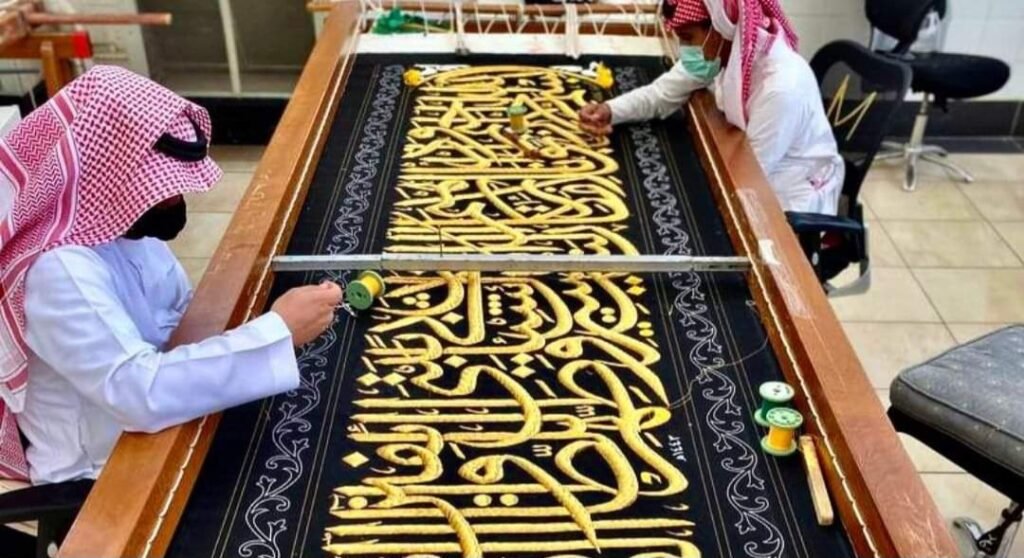
20. Kiswa Factory
📍 Location: Umm Al-Jud area
This factory produces the sacred black cloth covering the Kaaba. Skilled craftsmen embroider Quranic verses with gold and silver threads.
Seeing the Kiswa preparation process reflects Islamic artistry and devotion.
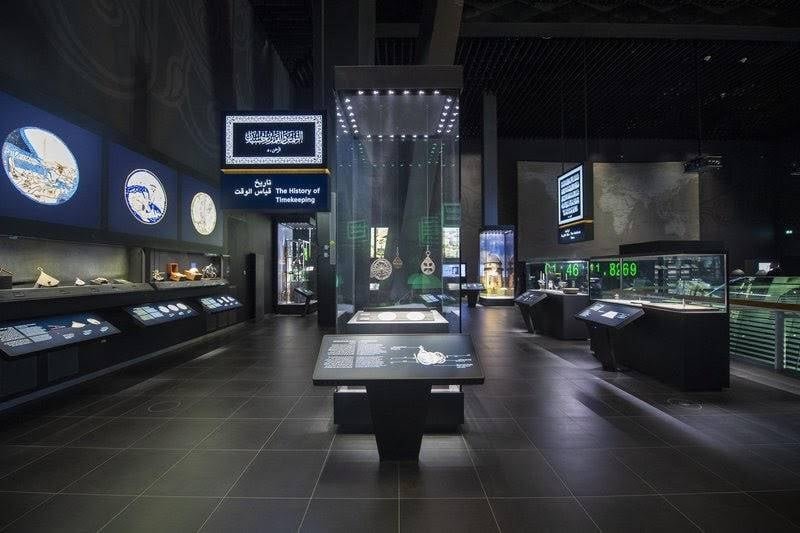
21. Clock Tower Museum
📍 Location: Abraj Al-Bait Complex
Located inside the iconic clock tower, this museum presents Islamic astronomy, timekeeping history, and views of the Haram from above.
It combines modern knowledge with spiritual heritage.
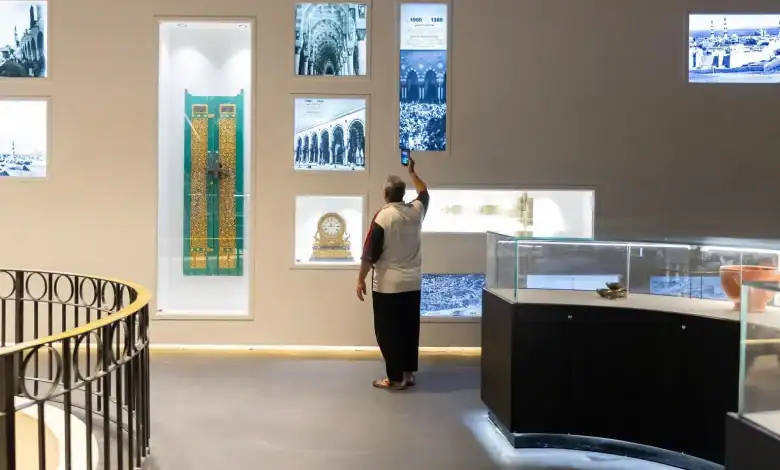
22. Makkah Museum
📍 Location: Al-Zahir District
This museum preserves ancient artifacts, manuscripts, and Islamic relics. Visitors learn about Makkah’s transformation across centuries.
It is ideal for history lovers.
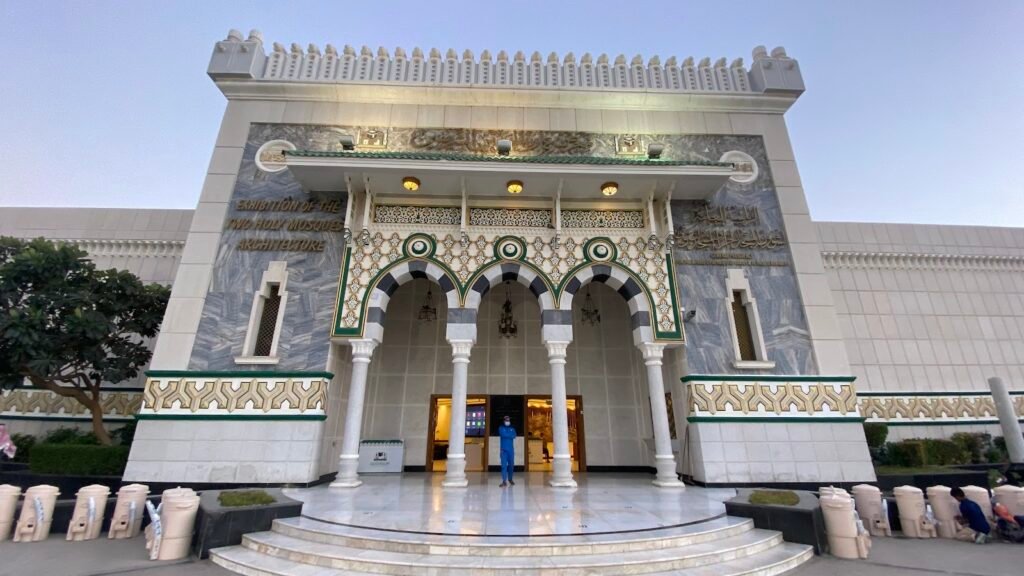
23. Exhibition of the Two Holy Mosques
📍 Location: Near Haram Area
This exhibition showcases architectural models, expansions, and engineering marvels of Masjid Al-Haram and Masjid An-Nabawi.
It reveals how modern technology supports sacred preservation.
24. Masjid Al-Bay’ah
📍 Location: Mina Area
This mosque marks the site where Ansar pledged loyalty to Prophet Muhammad ﷺ. This pledge changed Islamic history by supporting the establishment of the Muslim state in Madinah.
It symbolizes unity, commitment, and brotherhood.
Final Thoughts — Why Ziyarat Matters
Ziyarat in Makkah is not tourism. It is spiritual time travel. You don’t just see places — you relive moments of revelation, struggle, sacrifice, and mercy.
Each step strengthens iman.
Each site deepens understanding.
Each visit connects the heart to Allah.
If you walk these sacred paths with reflection, your Umrah or Hajj becomes not only a ritual — but a life-changing experience.

